
In today’s global amusement industry, sourcing arcade machines is no longer a simple price-driven transaction. Market volatility—caused by rising raw material costs, logistics disruptions, labor shortages, currency fluctuations, and geopolitical uncertainty—has significantly increased factory-related risks for B2B buyers. For arcade operators, distributors, and family entertainment center (FEC) investors, choosing the wrong supplier can lead to delayed openings, unstable machine performance, unexpected maintenance costs, and even project failure.
Unlike consumer electronics, arcade machines are long-term capital assets designed to generate recurring revenue. Their reliability directly affects uptime, customer experience, and return on investment (ROI). As a result, the supplier behind the product is just as important as the product itself. A factory’s production capacity, quality control system, and after-sales support structure all determine whether a buyer’s investment is protected or exposed.
This guide is designed to help B2B buyers understand where factory risks originate, how to identify reliable arcade machine suppliers, and how to build safer sourcing strategies in an unpredictable global market. By applying these principles, buyers can reduce procurement risks, stabilize supply chains, and create sustainable long-term partnerships.
Understanding Factory Risks in the Arcade Machine Industry
Common Risks When Sourcing Arcade Machines
One of the most common risks in arcade machine procurement is unstable production capacity. Many small or poorly managed factories rely on outsourced components and temporary labor, making them vulnerable to sudden shutdowns or missed delivery schedules. When demand spikes or external disruptions occur, these factories often fail to fulfill bulk orders on time.
Another major risk is inconsistent quality control. Arcade machines integrate hardware, software, electronics, and mechanical components. Without standardized testing procedures, quality can vary significantly between batches. This often results in higher failure rates, frequent downtime, and increased after-sales costs for buyers.
After-sales service limitations also pose serious challenges. Some suppliers focus only on shipping products, offering minimal technical documentation, spare parts availability, or remote troubleshooting support. For overseas buyers, this can lead to prolonged machine downtime and loss of revenue.
How Market Volatility Amplifies Factory Risks
Market volatility magnifies existing weaknesses in factory operations. For example, fluctuations in steel, plastic, and semiconductor prices can force underprepared factories to cut corners on materials or unexpectedly raise prices after orders are placed. This undermines contract stability and buyer confidence.
Logistics disruptions and port congestion can further expose factories with weak supply chain planning. Without buffer inventory or diversified component sourcing, even minor delays can cascade into missed delivery windows. In volatile markets, only factories with strong operational resilience can maintain consistent output.
Key Criteria for Identifying a Reliable Arcade Machine Supplier
Manufacturing Strength and Facility Transparency
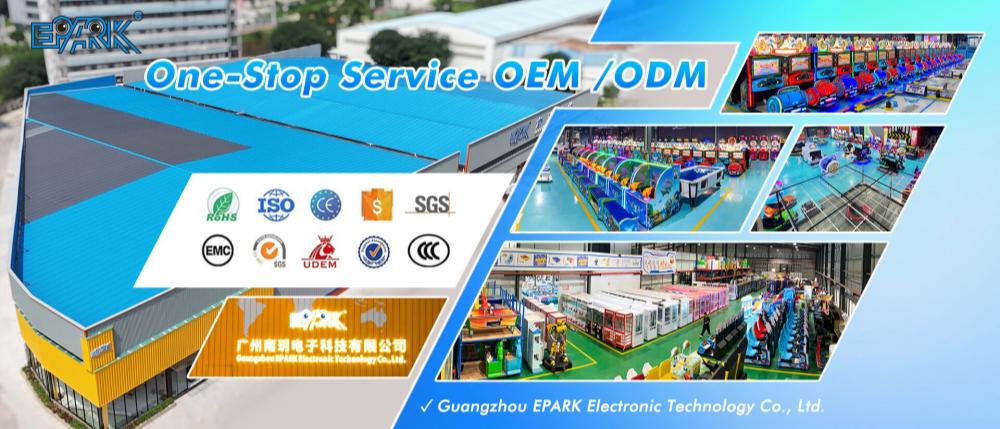
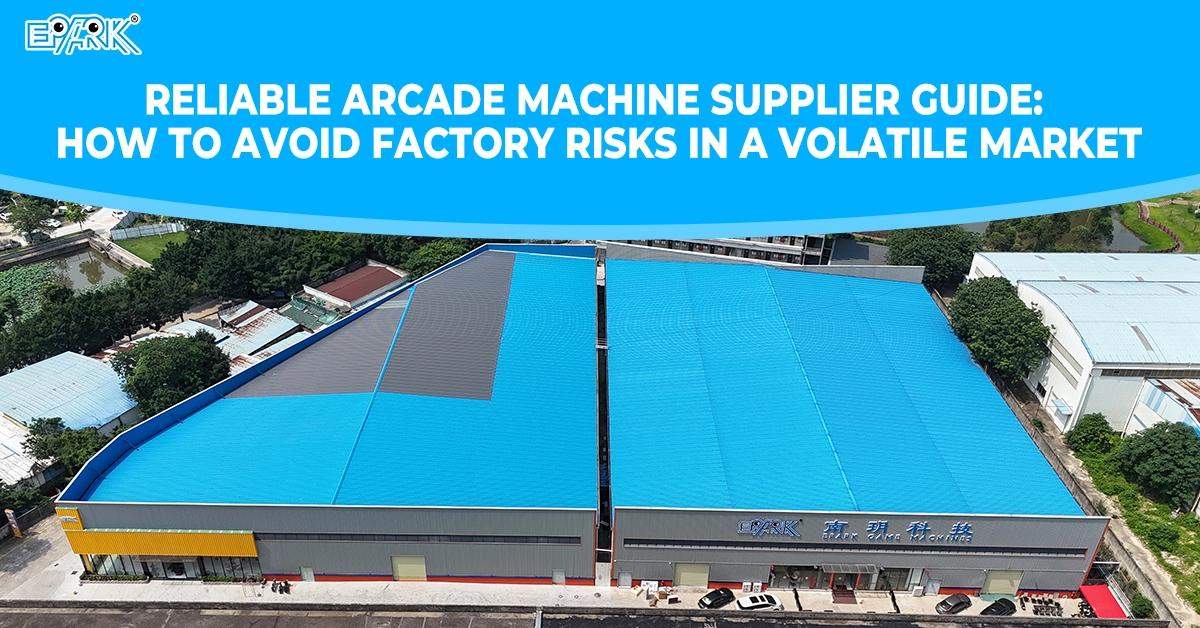
A reliable arcade machine supplier should operate its own manufacturing facility, rather than relying entirely on outsourced production. Ownership of the factory allows for tighter control over production schedules, quality standards, and intellectual property protection.
Key indicators of manufacturing strength include factory size, number of production lines, degree of automation, and in-house R&D capability. Transparent suppliers are willing to share factory photos, videos, audit reports, and even host on-site inspections. This level of openness demonstrates confidence in their operations and builds buyer trust.
In addition, professional suppliers typically maintain integrated showrooms and testing areas. These facilities allow buyers to verify product performance before mass production, significantly reducing procurement risk.
Quality Control Systems and Certification Standards
Quality assurance is a defining factor between reliable and high-risk suppliers. Professional arcade machine factories implement multi-stage quality control processes, including incoming material inspection, in-production checks, aging tests, and final performance testing.
International certifications also play a critical role. Common standards include ISO 9001 for quality management, CE and RoHS for European compliance, and FCC standards for electronic safety. These certifications do not guarantee perfection, but they demonstrate a supplier’s commitment to standardized manufacturing practices.
Below is a simplified comparison of quality control maturity levels:
| QC Aspect | Basic Supplier | Professional Supplier |
|---|---|---|
| Incoming inspection | Random | 100% batch inspection |
| Functional testing | Spot checks | Full aging & stress tests |
| Documentation | Minimal | Full QC reports & logs |
| Certification | None or partial | ISO, CE, RoHS, FCC |
Product Portfolio and Customization Capability
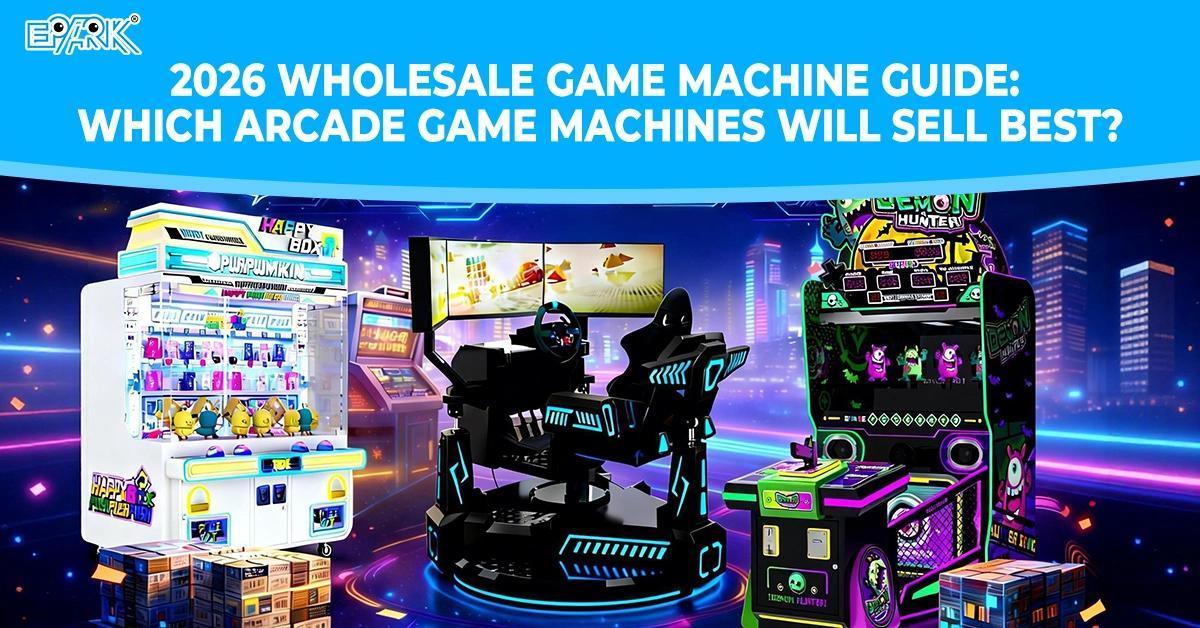
A reliable arcade machine supplier typically offers a diverse product portfolio, covering multiple revenue-driving categories such as arcade game machines, VR shooting game machines, racing simulators, sports games, redemption machines, and kids’ attractions. This diversity indicates technical depth and market experience.
Customization capability is equally important for B2B buyers. Many commercial venues require branded cabinets, localized software, multilingual interfaces, or theme-based designs. Suppliers with in-house engineering teams can provide custom game machine solutions for business, ensuring products align with specific market needs and branding strategies.
Suppliers that lack customization capability often rely on generic designs, limiting differentiation and long-term competitiveness for distributors and operators.
Comparing Supplier Types: Which One Is Safer for B2B Buyers?
Small Workshops vs. Large-Scale Arcade Machine Factories
Small workshops often attract buyers with lower upfront prices. However, these cost advantages usually come at the expense of consistency, scalability, and long-term support. Limited manpower and equipment mean production delays are common when multiple orders overlap.
Large-scale factories, on the other hand, benefit from standardized processes, stable labor structures, and bulk purchasing power. While initial prices may be slightly higher, the total cost of ownership is often lower due to reduced failure rates and stronger after-sales support.
Local Distributors vs. Direct Manufacturers
Buying from local distributors can offer convenience and faster communication, but it often reduces price transparency and limits customization options. Distributors may also lack deep technical knowledge, making complex troubleshooting more difficult.
Direct cooperation with arcade machine manufacturers provides better cost control, clearer technical communication, and stronger long-term collaboration potential. For wholesalers and large-scale buyers, direct sourcing significantly reduces factory-related risks.
Practical Due Diligence Checklist for Arcade Machine Buyers
Pre-Order Verification Steps
Before placing a bulk order, buyers should conduct structured due diligence. Factory audits—either virtual or on-site—allow buyers to verify production capability, workforce stability, and quality systems. Sample testing is also essential to validate gameplay performance, cabinet durability, and software stability.
Reference projects provide additional reassurance. Suppliers with proven export experience and successful installations in multiple markets are better equipped to handle complex international requirements.
Contract and Payment Risk Control
Well-defined contracts are critical for risk mitigation. Delivery timelines, quality standards, and penalty clauses should be clearly documented. Payment structures should balance cash flow safety for both parties, commonly using a deposit followed by balance payment after inspection.
Warranty terms and spare parts policies must also be specified. Reliable suppliers typically offer 12–24 months warranty and long-term spare parts availability, ensuring sustainable machine operation.
Long-Term Partnership Strategies to Reduce Procurement Risks
Why Strategic Suppliers Outperform One-Time Vendors
Strategic supplier relationships provide stability that transactional purchasing cannot. Long-term partners are more likely to offer price consistency, priority production during peak seasons, and faster response times when issues arise.
These partnerships also enable joint planning, allowing suppliers to anticipate demand and allocate resources more efficiently. Over time, this collaboration reduces operational risks for both parties.
Working with a Full-Solution Arcade Machine Supplier
Full-solution suppliers provide end-to-end services, including design consultation, production, logistics coordination, installation guidance, and after-sales training. This integrated approach minimizes communication gaps and ensures accountability across the entire project lifecycle.
For FEC chains and international distributors, one-stop solutions significantly simplify project management and reduce hidden costs.
Case Insight: How Professional Arcade Machine Suppliers Ensure Stability
Leading arcade machine manufacturers invest heavily in integrated production bases, advanced testing systems, and global support teams. By maintaining strong R&D capabilities and standardized processes, these suppliers can adapt quickly to market changes without compromising quality or delivery schedules.
Their ability to support custom projects, large-scale deployments, and long-term maintenance contracts makes them reliable partners even during periods of market uncertainty. This operational resilience is a key differentiator in volatile markets.
Conclusion: Making Smarter Sourcing Decisions in an Uncertain Market
In a volatile global environment, factory-related risks pose serious challenges for arcade machine buyers. Delays, quality issues, and weak after-sales support can quickly erode profitability and brand reputation. As this guide demonstrates, the safest sourcing decisions are based on manufacturing strength, quality systems, transparency, and long-term partnership potential, not just price.
By applying structured evaluation criteria and conducting thorough due diligence, B2B buyers can significantly reduce procurement risks. Reliable arcade machine suppliers are not merely vendors—they are strategic partners that support sustainable growth and operational stability.
Disclaimer
The information provided on this website is for general informational purposes only.
While EPARK Arcade Game Machine Manufacturer strives to ensure accuracy and reliability, no warranties—express or implied—are made regarding completeness, performance, or applicability.
Product specifications, designs, and features may vary depending on usage, customization, and customer requirements.
Buyers are responsible for verifying all technical details, compliance certifications, and suitability before procurement.
EPARK shall not be held liable for any direct, indirect, incidental, or consequential damages arising from the use of this website or its content, including but not limited to business losses, data errors, or equipment misuse.
For tailored solutions or further verification, please visit our Contact Us
Intellectual Property Notice
All articles, product images, videos, catalogs, software, and related materials published on this website are the intellectual property of EPARK, unless otherwise stated.
Unauthorized reproduction, distribution, modification, or commercial use of any content is strictly prohibited without prior written consent from EPARK.
EPARK reserves the right to take legal action against any unauthorized use, including but not limited to copyright infringement, misrepresentation, or unfair competition.
Trademarks
The name EPARK, the EPARK logo, and all related brand elements displayed on this website are registered trademarks or trade names of Guangzhou EPARK Electronic Technology Co., Ltd.
Other product names, company names, or logos mentioned on this site may be trademarks of their respective owners.
Unauthorized use of EPARK's trademarks for commercial purposes, including advertising, promotions, or product packaging, is strictly prohibited.
Governing Law
These terms are governed by the laws of the People's Republic of China.