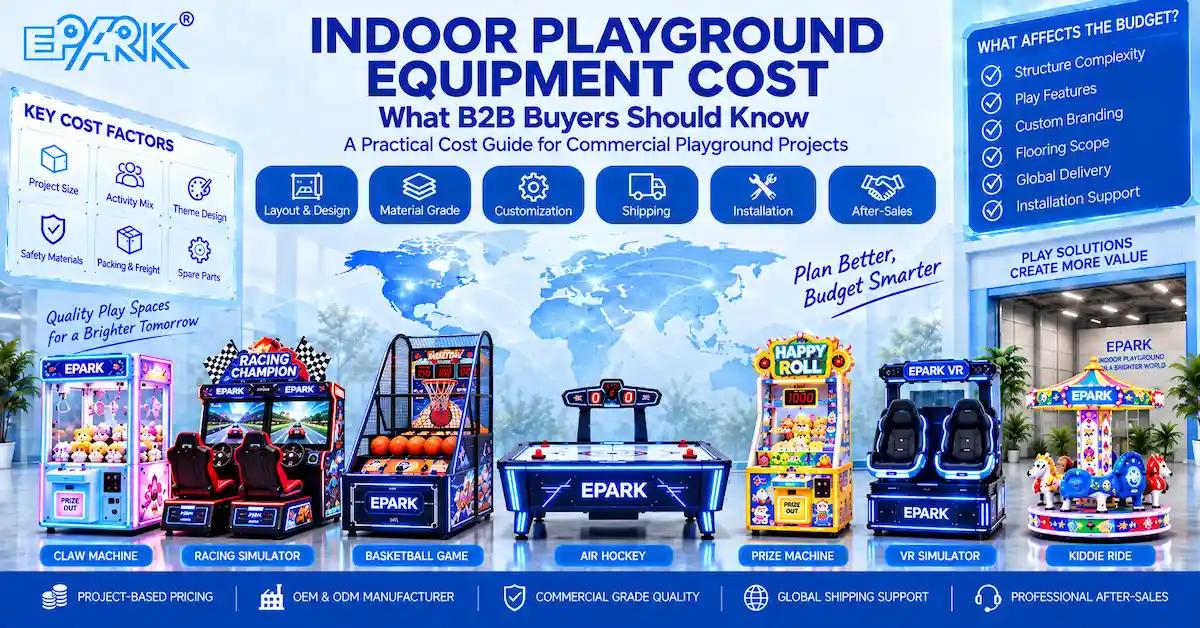

Why Indoor Playground Equipment Cost Is More Than a Product Price
When B2B buyers ask about indoor playground equipment cost, they often expect a price per square meter or one total equipment figure.
For commercial projects, that figure alone can be misleading.
A shopping mall kids' zone, hotel play area, soft-play center, and full family entertainment center may occupy similar floor areas while requiring completely different structures, materials, activity combinations, themes, installation methods, and logistics.
For this reason, B2B buyers should focus on a more useful question:
What is included in the quotation, and what will the project actually cost before the venue is ready to operate?
A realistic budget should consider the complete path from layout and equipment selection through production, packaging, shipping, installation, maintenance, and after-sales support.
Buyers still defining their project can first review the available commercial amusement equipment and project solutions before requesting a detailed quotation.
What Determines Indoor Playground Equipment Cost?
There is no universal price that applies to every commercial indoor playground.
Venue Size and Ceiling Height
Floor area is one of the first factors manufacturers use when developing a proposal, but cost does not increase evenly with every additional square meter.
Two 300 m² projects can have very different budgets.
One may use a relatively simple two-level soft-play structure with standard slides and a ball pool.
Another may include multi-level climbing structures, large tube slides, rope bridges, toddler zones, themed entrances, interactive attractions, and integrated arcade equipment.
Ceiling height is equally important.
A taller venue may support multi-level structures that use vertical space efficiently. A low-ceiling venue may require a wider horizontal layout and a completely different equipment configuration.
Activity Density
The amount of equipment installed within the same floor area also affects cost.
A lightly equipped kids' area and a high-density adventure playground should not be compared only by square meters.
More activity modules generally mean more:
- Structural components
- Soft padding
- Hardware
- Netting
- Slides and tunnels
- Manufacturing work
- Packaging volume
- Installation time
This is why an accurate quotation should be based on an approved layout rather than area alone.
How Equipment Mix Changes the Project Budget
A commercial indoor playground is usually a combination of multiple activity types rather than one product.
Typical Soft-Play Equipment
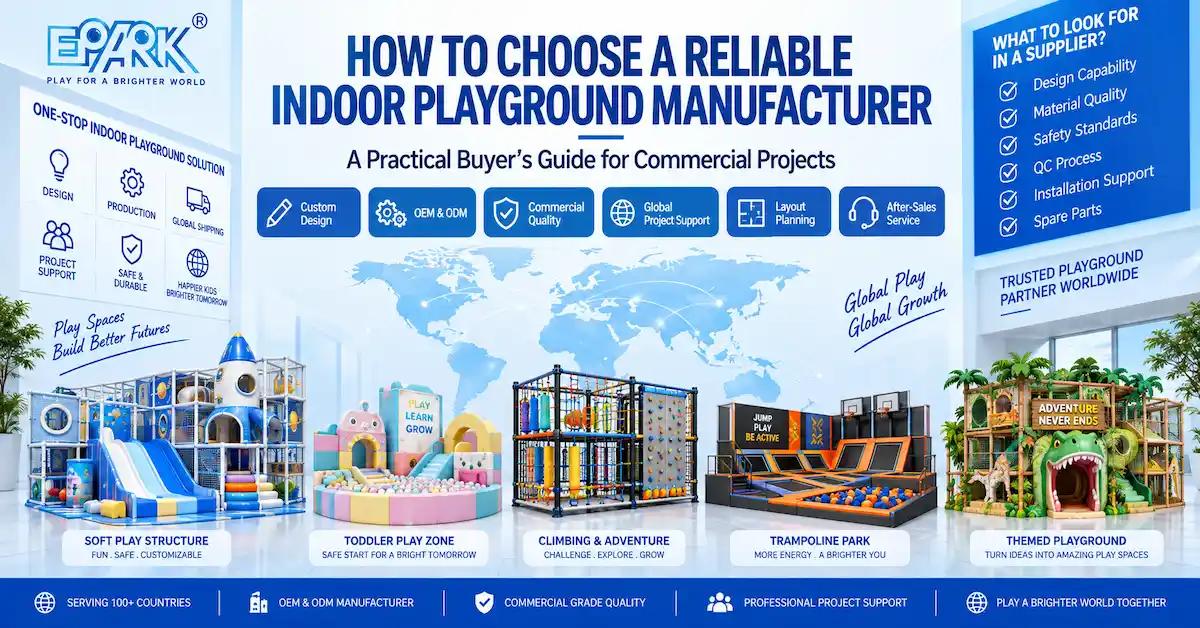
Common configurations may contain slides, ball pools, tunnels, climbing structures, bridges, obstacle elements, padded stairs, net structures, and toddler activities.
Each component adds a different combination of material, manufacturing, freight, and installation requirements.
Large Play Features
Large enclosed tube slides, elevated bridges, tall climbing structures, and custom entrances can affect cost disproportionately.
For example, a large spiral slide does not only change the purchase price. It can also affect:
- Packing volume
- Container utilization
- Site access
- Installation sequence
- Supporting structures
Mixed FEC Projects
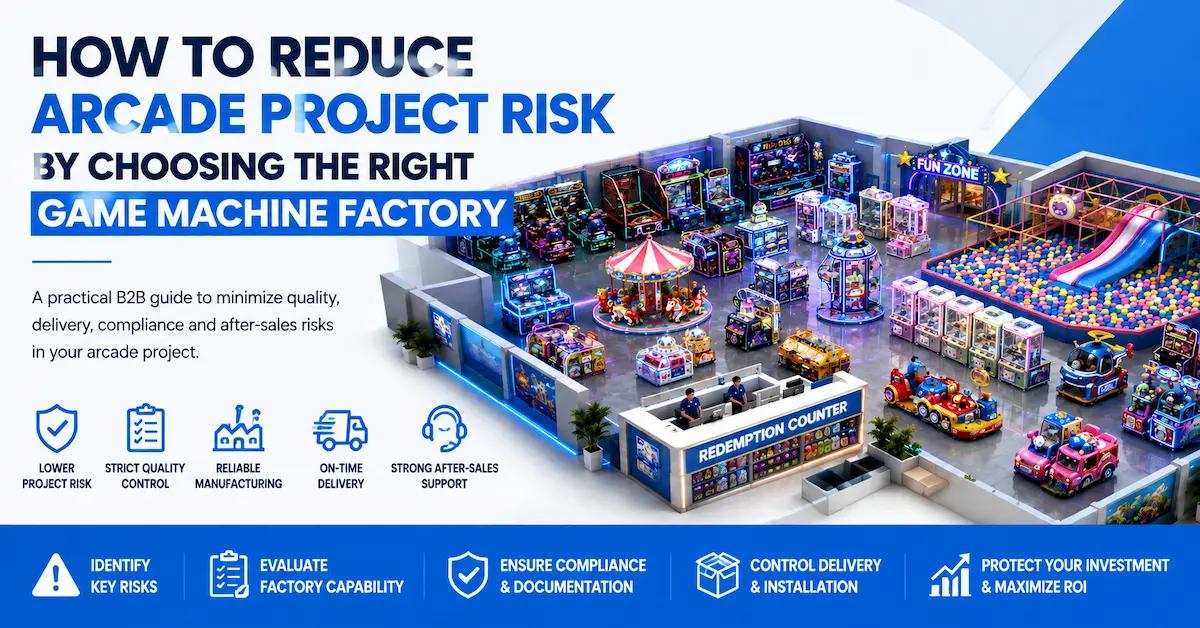
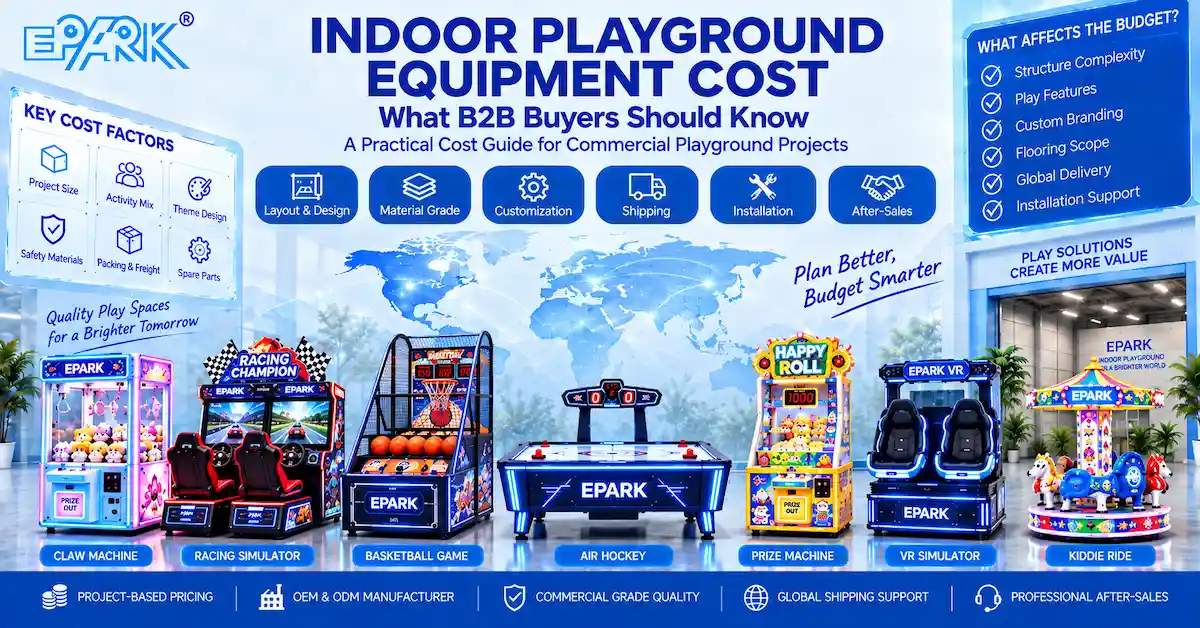
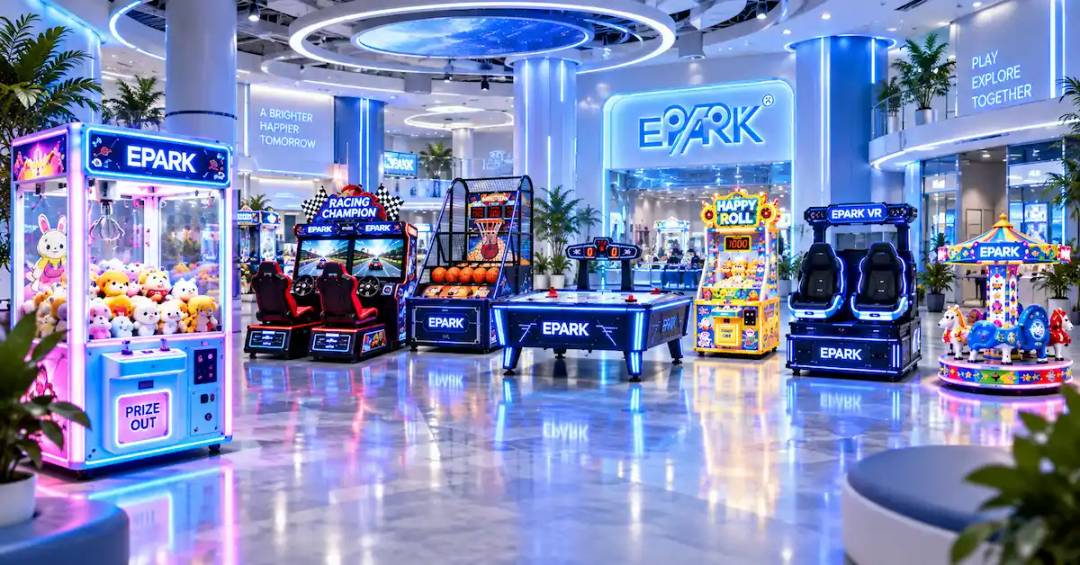
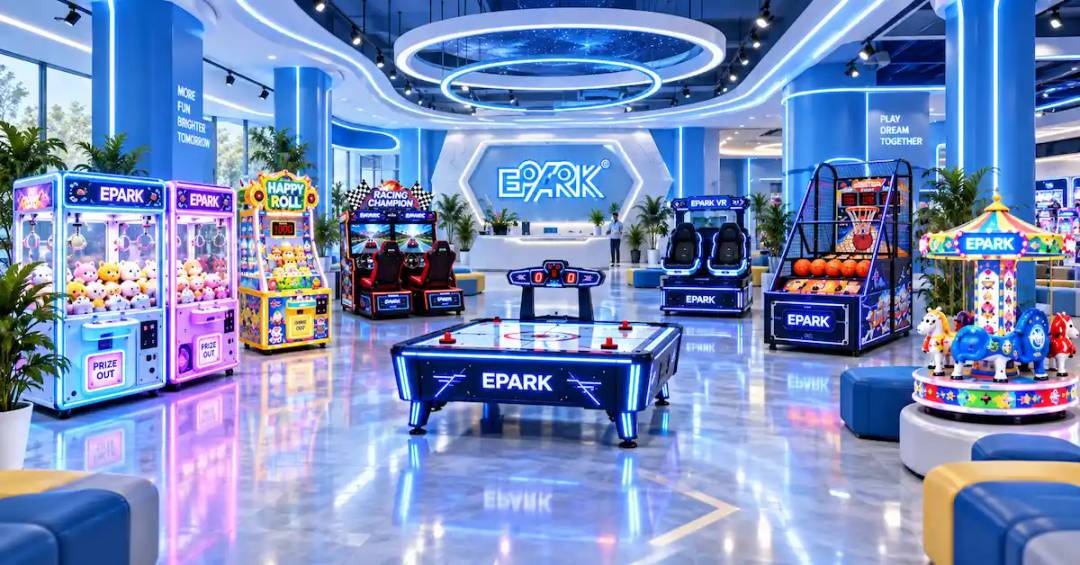
Some operators combine indoor playground equipment with arcade machines, kiddie rides, prize machines, or other amusement equipment.
This changes the project from a single playground purchase into a broader family entertainment center configuration.
B2B buyers considering this approach can compare equipment categories through the EPARK product range.
Standard Playground vs Custom Playground Cost
Customization is one of the most significant variables in commercial playground pricing.
Standard or Modular Designs
A standard configuration usually relies on established structures, activities, colors, and manufacturing methods.
This can reduce:
- Engineering work
- Custom tooling
- Design revisions
- Production complexity
Standardized modules are particularly useful for distributors, repeat projects, and buyers with stricter budget control.
Custom-Themed Designs
Customized projects may involve:
- Brand-specific color schemes
- Custom entrances
- Theme graphics
- Logo integration
- Special decorative structures
- Unique activity combinations
- Modified dimensions
- Customized zoning
A space, jungle, ocean, dinosaur, or branded FEC concept can therefore require more design and manufacturing work than a basic modular playground.
Where Customization Usually Creates the Most Value
Instead of customizing every component, B2B buyers can often concentrate investment in high-visibility areas such as the entrance, centerpiece, theme graphics, photo zone, and major attractions.
This preserves a distinctive venue identity while keeping less visible structural components standardized.
How Materials Affect Indoor Playground Equipment Price
Two playgrounds may look similar in renderings while using very different specifications.
For commercial buyers, material comparison should therefore be part of every supplier evaluation.
| Component | What to Compare | Why It Matters |
|---|---|---|
| Structural frame | Material, dimensions, treatment | Structure and service life |
| Soft padding | Foam type, thickness, covering | Protection and maintenance |
| Netting | Material and construction | Containment and durability |
| Slides | Material, dimensions, finish | Experience and freight |
| Plastic components | Material and wall quality | Durability |
| Flooring | Material and thickness | Protection and replacement |
| Hardware | Fasteners and connectors | Assembly and maintenance |
| Decorative parts | Material and complexity | Theme cost |
| Interactive units | Electronic/mechanical parts | Purchase and maintenance cost |
A supplier description such as “premium material” is not specific enough for a B2B comparison.
Ask suppliers to identify important materials and specifications in writing.
Design and Engineering Costs Should Not Be Ignored
Commercial playground design is not simply about producing an attractive rendering.
A workable layout needs to consider the actual venue.
Layout Factors
Manufacturers may need to evaluate:
- Columns
- Ceiling height
- Entrances
- Exits
- Player circulation
- Age-group zoning
- Parent supervision
- Maintenance access
- Equipment clearances
- Installation sequence
A manufacturer offering proper project planning may initially appear more expensive than a supplier quoting only equipment.
However, poorly planned equipment can create costly modifications during installation.
EPARK's design and project process shows how planning, production, inspection, delivery, and installation can be connected as one project workflow.
Safety and Compliance Can Change the Budget
Commercial playground projects may need to meet different requirements depending on the destination country and venue.
Possible Compliance-Related Costs
The project may involve requirements relating to:
- Playground equipment
- Materials
- Fire performance
- Building regulations
- Electrical systems
- Local inspections
- Accessibility
- Insurance
Not every requirement will necessarily be included in the playground manufacturer's quotation.
Clarify Responsibility Before Ordering
Buyers should identify which requirements are handled by:
Manufacturer → Local contractor → Architect → Venue operator → Local inspection authority
This distinction reduces the risk of unexpected expenses appearing after production has already started.
Packaging and International Shipping Cost
For overseas buyers, the factory price is not the same as the landed equipment cost.
Indoor playground equipment often includes bulky components.
Shipping Volume Matters
Large playground projects may contain:
- Long structural pipes
- Large slides
- Plastic modules
- Soft equipment
- Flooring
- Nets
- Decorative pieces
- Hardware
- Installation accessories
These components can occupy substantial container space.
A lower factory quotation does not automatically produce a lower landed cost if the packing design is inefficient.
Ask for Shipping Information Before Ordering
Before making the final supplier comparison, confirm estimated packaging volume, container requirements, packing method, component labeling, and the applicable Incoterm.
Good packaging should protect equipment while also helping installers identify individual components after arrival.
Installation Cost Is Frequently Underestimated
Installation can represent a meaningful part of the complete project budget.
Possible Installation Expenses
Depending on the project, buyers may need to budget for local labor, technician travel, accommodation, tools, lifting equipment, electrical work, flooring work, site preparation, and final commissioning.
Three Common Installation Models
Local Installation
The buyer's local team performs installation using drawings and instructions from the manufacturer.
Remote Technical Guidance
The manufacturer provides online or video support while local technicians perform the installation.
On-Site Manufacturer Support
For selected projects, technicians may travel to the venue to supervise or assist installation.
The quotation should clearly state which model is included.
Buyers can review EPARK's broader project and after-sales service capabilities when evaluating installation support.
Spare Parts and Maintenance Affect Long-Term Cost
Indoor playground equipment operates in a high-contact commercial environment.
Wear cannot be evaluated only at the time of purchase.
Components That May Require Periodic Attention
Common areas include padding, nets, flooring, fasteners, covers, ropes, movable components, high-traffic entrances, and decorative surfaces.
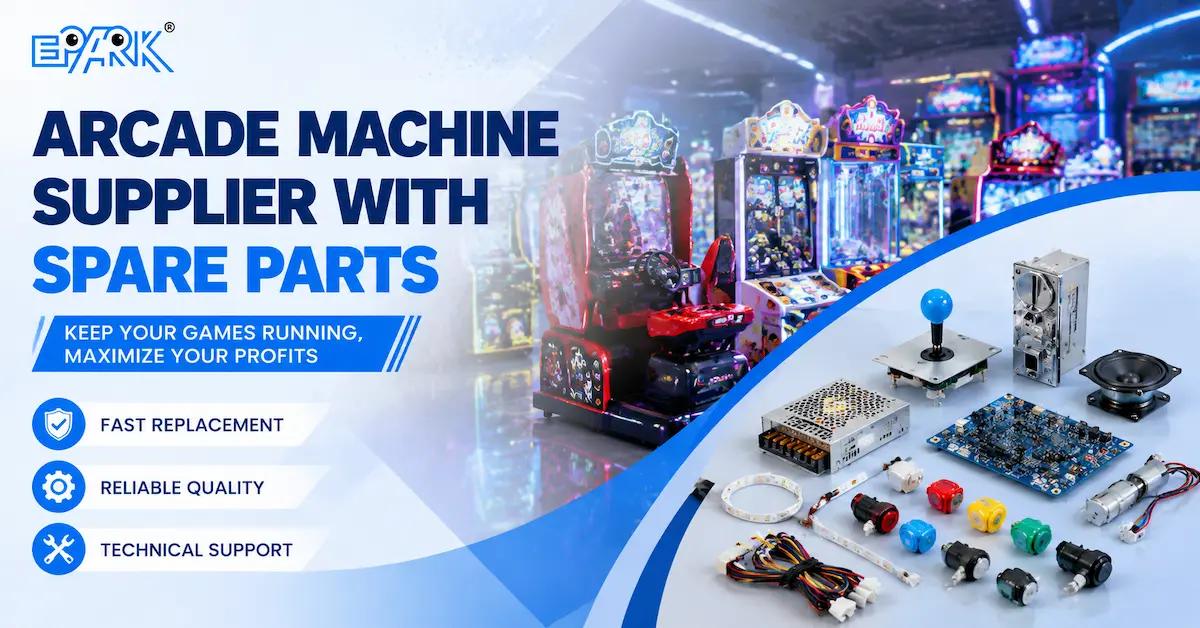
Why Spare-Part Availability Matters
A low-cost playground can become expensive if replacement components are difficult to source.
For distributors and chain operators, it is particularly useful to ask whether the manufacturer keeps:
- Original drawings
- Material specifications
- Component codes
- Color references
- Project revisions
This makes future maintenance and repeat purchasing easier.
How to Calculate the Real Indoor Playground Project Cost
B2B buyers can divide the investment into four layers.
Layer 1: Equipment Cost
This is the manufacturer quotation for the playground structure, activity modules, and agreed accessories.
Layer 2: Landed Equipment Cost
A simple framework is:
Equipment + Packaging + Freight + Import Costs
This provides a more meaningful figure for international buyers.
Layer 3: Installed Project Cost
Add:
Landed Equipment + Installation + Local Labor + Site Preparation
This represents the project closer to operational readiness.
Layer 4: Opening Investment
Finally add relevant business expenses such as:
Renovation + Systems + Staff + Marketing + Working Capital
This distinction is critical.
Indoor playground equipment cost is not the same as total indoor playground startup cost.
Hidden Costs B2B Buyers Should Budget For
Some expenses sit outside the equipment quotation but still affect project feasibility.
These can include venue renovation, electrical work, lighting, HVAC, local flooring, reception areas, access control, POS systems, furniture, parent seating, cleaning equipment, staff training, customs duties, local inspection, marketing, and initial operating capital.
When comparing suppliers, separating equipment cost from venue development cost helps prevent unrealistic expectations.
How Different Playground Applications Change Cost Priorities
Not every buyer should spend money in the same areas.
| Application | Main Budget Priorities |
|---|---|
| Shopping Mall Kids Zone | Appearance, compact layout, space efficiency |
| Toddler Play Area | Padding, flooring, simple activities |
| Standard Indoor Playground | Slides, climbing, tunnels, ball pool |
| Themed Playground | Design, decoration, centerpiece |
| Family Entertainment Center | Playground + amusement equipment mix |
| Hotel / Resort | Appearance, compact design, maintenance |
| Distributor Project | Standardization, packing, repeat orders |
| Franchise / Chain | Branding, repeatability, consistent specification |
A shopping mall investor may value strong visual attraction.
A high-traffic FEC operator may prioritize capacity, maintenance access, modular replacement, and activity variety.
A distributor may place more importance on standardized manufacturing and efficient container loading.
The lowest-cost configuration is therefore not automatically the most commercially suitable.
How to Reduce Playground Cost Without Sacrificing Quality
Cost optimization should focus on unnecessary complexity rather than essential structural or protective elements.
Use Modular Components
Standard slides, tunnels, climbing structures, and soft-play modules can be arranged into a customized layout without requiring every component to be newly designed.
Customize High-Visibility Areas
Focus unique design investment on entrances, major theme features, photo areas, color schemes, and branding.
Finalize Drawings Before Production
Late changes can create additional engineering, materials, production, packaging, and installation costs.
Optimize Container Loading
Ask whether component design and packaging can reduce shipping volume while maintaining adequate protection.
Order Practical Spare Parts With the Main Shipment
Shipping small replacement parts with the original order can often be more efficient than arranging separate international shipments later.
How B2B Buyers Should Compare Supplier Quotations
A supplier comparison is useful only when each quotation covers approximately the same scope.
| Comparison Item | What to Confirm |
|---|---|
| Layout | Same approved project area |
| Equipment | Same activity scope |
| Materials | Comparable specifications |
| Theme | Standard or customized |
| Flooring | Included or excluded |
| Spare parts | Included items |
| Packaging | Method and volume |
| Shipping | Incoterm and destination |
| Installation | Included support |
| Documentation | Included scope |
| Lead time | Production estimate |
| After-sales | Support and replacement parts |
If one supplier leaves important items undefined, do not automatically assume they are included.
Mark them as pending confirmation before comparing final cost.
Why Price per Square Meter Can Be Misleading
A per-square-meter estimate can be useful during early budgeting.
It should not be used as the sole basis for placing an order.
A 200 m² toddler playground and a 200 m² three-level adventure playground can have substantially different material and manufacturing requirements.
Price per square meter does not fully capture:
- Structure height
- Activity density
- Number of levels
- Slide complexity
- Theme complexity
- Interactive equipment
- Material specification
- Installation difficulty
Use area-based pricing for preliminary planning.
Use an approved design and itemized quotation for purchasing.
What Information Is Needed for an Accurate Quote?
The quality of a quotation depends heavily on the quality of the buyer's project information.
For a serious commercial proposal, prepare one complete project brief containing the project country, venue type, floor plan, dimensions, ceiling height, columns, entrances and exits, target age groups, expected capacity, preferred activities, theme direction, budget range, destination, installation conditions, and target opening date.
If some details are not finalized, label them as preliminary rather than allowing suppliers to treat assumptions as confirmed requirements.
Buyers with an active commercial project can submit their project information through the EPARK contact page.
Frequently Asked Questions
How Much Does Indoor Playground Equipment Cost?
There is no reliable universal price. Cost depends on project size, structure height, equipment mix, materials, customization, shipping, installation, and service requirements.
Is Indoor Playground Equipment Priced per Square Meter?
It may be used for early-stage budgeting, but it is not an accurate final purchasing method because two equally sized playgrounds can have very different structures and activity densities.
What Increases Commercial Indoor Playground Cost?
Major factors include multi-level structures, custom themes, large slides, dense activity configurations, higher material specifications, interactive features, complex packaging, and difficult installation.
Does Custom Design Cost More?
Usually, extensive customization requires additional design and manufacturing work. However, targeted customization can often create a branded appearance without redesigning every component.
Is Freight Included in Playground Equipment Pricing?
Not always. Buyers should confirm the quotation Incoterm, packaging volume, container requirements, freight responsibility, duties, taxes, and destination charges.
Is Installation Included?
This depends on the supplier and project. Confirm whether the quotation includes drawings, remote support, technician supervision, or complete installation services.
Should I Order Spare Parts With the Playground?
For commercial projects, a practical spare-parts package can help reduce downtime and future international shipping costs.
Why Are Supplier Quotations So Different?
Suppliers may be quoting different structures, material specifications, customization levels, accessories, packaging, installation services, and after-sales scopes.
Should I Choose the Lowest-Priced Supplier?
Not automatically. Compare landed cost, installation requirements, specifications, quality control, documentation, spare parts, and long-term support.
How Can I Receive a More Accurate Quotation?
Provide a measured floor plan, ceiling height, target users, equipment preferences, destination, theme requirements, budget range, and expected installation schedule.
Conclusion
Understanding indoor playground equipment cost requires looking beyond the initial factory quotation. Equipment configuration, materials, customization, shipping volume, installation, spare parts, and after-sales support all influence the real commercial investment.
For B2B buyers, the most reliable approach is to compare suppliers using the same approved layout and clearly defined specification scope. If you already have a venue plan or project requirements, you can contact EPARK to discuss an appropriate equipment configuration and project-specific quotation.
Disclaimer
The information provided on this website is for general informational purposes only.
While EPARK Arcade Game Machine Manufacturer strives to ensure accuracy and reliability, no warranties—express or implied—are made regarding completeness, performance, or applicability.
Product specifications, designs, and features may vary depending on usage, customization, and customer requirements.
Buyers are responsible for verifying all technical details, compliance certifications, and suitability before procurement.
EPARK shall not be held liable for any direct, indirect, incidental, or consequential damages arising from the use of this website or its content, including but not limited to business losses, data errors, or equipment misuse.
For tailored solutions or further verification, please visit our Contact Us
Intellectual Property Notice
All articles, product images, videos, catalogs, software, and related materials published on this website are the intellectual property of EPARK, unless otherwise stated.
Unauthorized reproduction, distribution, modification, or commercial use of any content is strictly prohibited without prior written consent from EPARK.
EPARK reserves the right to take legal action against any unauthorized use, including but not limited to copyright infringement, misrepresentation, or unfair competition.
Trademarks
The name EPARK, the EPARK logo, and all related brand elements displayed on this website are registered trademarks or trade names of Guangzhou EPARK Electronic Technology Co., Ltd.
Other product names, company names, or logos mentioned on this site may be trademarks of their respective owners.
Unauthorized use of EPARK's trademarks for commercial purposes, including advertising, promotions, or product packaging, is strictly prohibited.
Governing Law
These terms are governed by the laws of the People's Republic of China.