
The global arcade and family entertainment industry is undergoing a strategic transformation. As shopping malls, family entertainment centers (FECs), amusement parks, and hybrid leisure venues continue to evolve, distributors of arcade game machines face both unprecedented opportunities and growing challenges. Buyers today are no longer looking for individual machines alone; they are seeking well-curated, profitable, and future-proof arcade game portfolios that align with their venue types, target demographics, and return-on-investment expectations.
For B2B distributors, success is no longer driven purely by price competitiveness. Instead, winning distributors differentiate themselves through portfolio strategy, market insight, product reliability, and long-term supplier partnerships. The right arcade game machine portfolio can increase average order value, improve repeat business, reduce after-sales issues, and strengthen distributor credibility in international markets.
This article provides a comprehensive, practical guide for distributors on how to build and optimize an arcade game machine portfolio that delivers sustainable growth. Drawing on industry best practices, market trends, and procurement logic, it explains what to stock, why it matters, and how to position your offerings for long-term success.
Why the Right Arcade Game Machine Portfolio Matters for Distributors
A distributor’s product portfolio is more than a catalog—it is a strategic business asset. In a competitive global market, distributors with a poorly structured portfolio often struggle with slow inventory turnover, price wars, and inconsistent demand. In contrast, those with a balanced and market-aligned arcade game machine lineup are better positioned to serve diverse buyers and stabilize revenue streams.
One key reason portfolio strategy matters is buyer behavior. Arcade operators increasingly prefer to source multiple machine categories from fewer suppliers to simplify logistics, maintenance, and after-sales service. Distributors who can offer a one-stop solution—rather than isolated products—are more likely to secure larger contracts and long-term partnerships.
Additionally, a strong portfolio enables distributors to manage risk. Market demand fluctuates by region, season, and venue type. By carrying a mix of classic machines, mid-range attractions, and premium immersive experiences, distributors reduce dependency on a single trend or product type. This diversification directly improves cash flow stability and business resilience.
Understanding Market Demand by Venue Type
Shopping Malls & Family Entertainment Centers (FECs)
Shopping malls and FECs represent one of the largest and most stable demand segments for arcade game machines. These venues prioritize high foot traffic conversion, family-friendly gameplay, and reliable performance. Machines must appeal to children, teenagers, and parents simultaneously, making versatility essential.
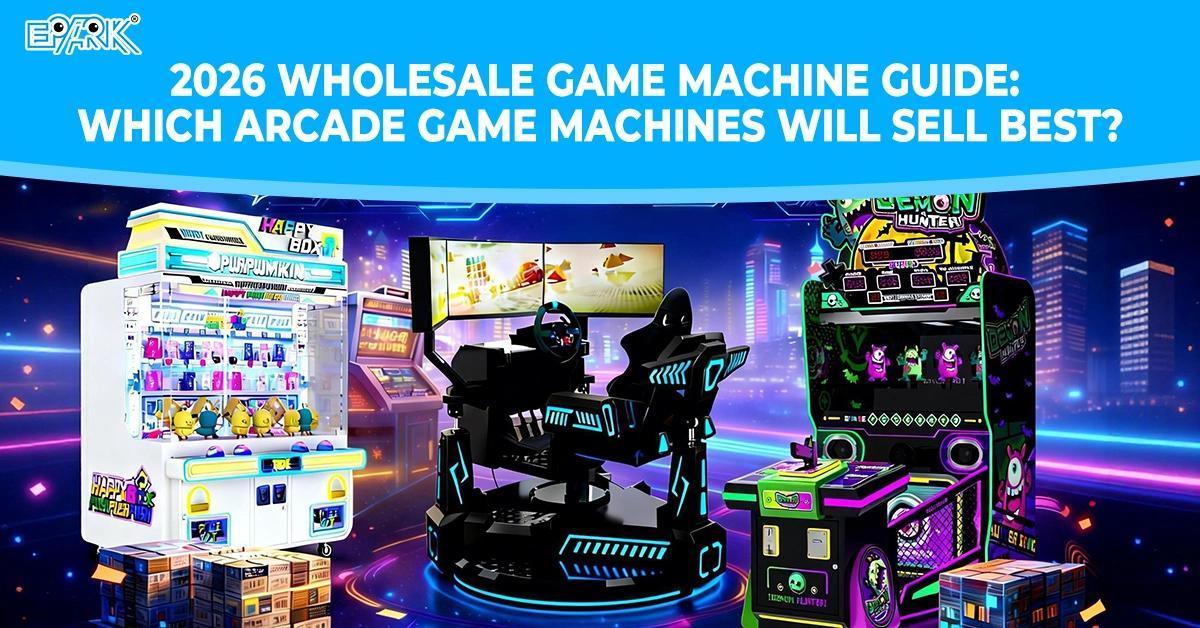
In these environments, redemption games, racing arcade machines, kids-oriented soft play integrations, and medium-scale interactive machines perform particularly well. Operators often measure success by metrics such as dwell time, repeat visits, and per-capita spending. Distributors should therefore focus on machines with strong visual appeal, intuitive gameplay, and proven earning potential.
Durability is another critical factor. Machines in malls operate long hours with high daily usage, making component quality, cabinet strength, and safety compliance essential selling points for distributors targeting this segment.
Amusement Parks & Large Arcades
Amusement parks and destination arcades require machines that deliver scale, immersion, and throughput. Unlike mall-based venues, these operators focus on headline attractions that can justify premium pricing and support large visitor volumes.
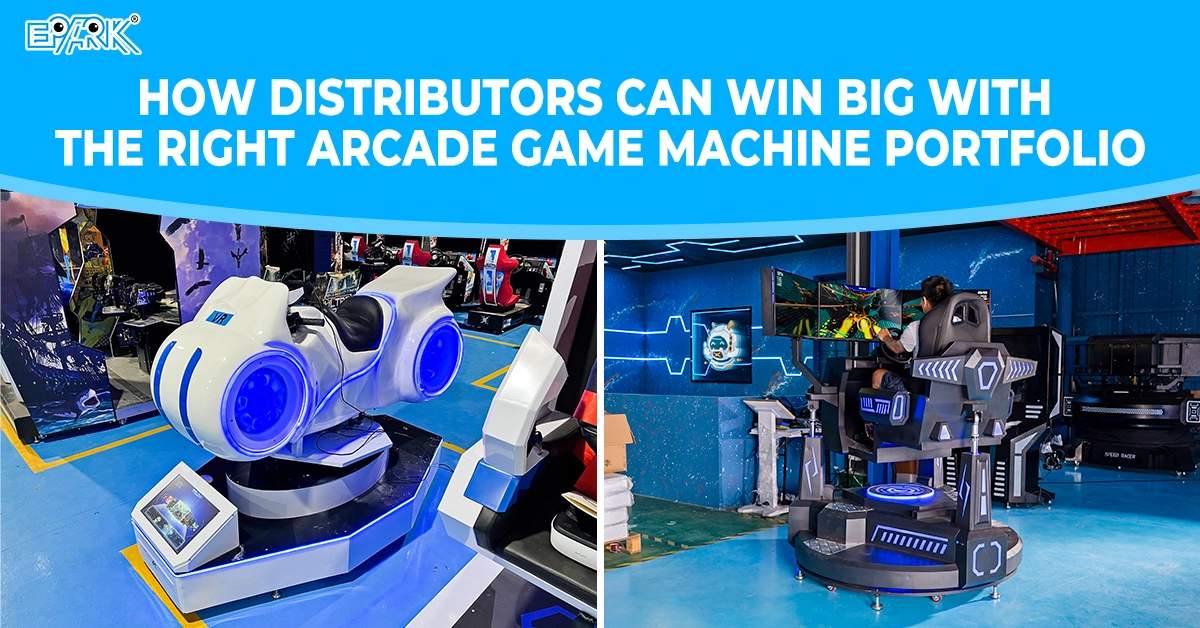
Popular categories include large-format racing simulators, multiplayer shooting game machines, and VR arcade systems with motion platforms. These machines are often positioned as anchor attractions, meaning downtime directly impacts revenue. As a result, buyers in this segment place strong emphasis on technical reliability, spare parts availability, and supplier support capabilities.
Distributors serving amusement parks must demonstrate expertise in project-based supply, including layout planning, electrical requirements, and installation coordination. A portfolio that includes high-capacity machines alongside complementary standard units allows distributors to participate in larger, higher-value projects.
Bars, Game Zones & Adult-Oriented Venues
Adult-oriented venues such as bars, arcades within nightlife districts, and mixed-use entertainment spaces prioritize competitive, skill-based, and immersive gameplay. These operators aim to increase dwell time and beverage sales rather than focus on child-friendly content.
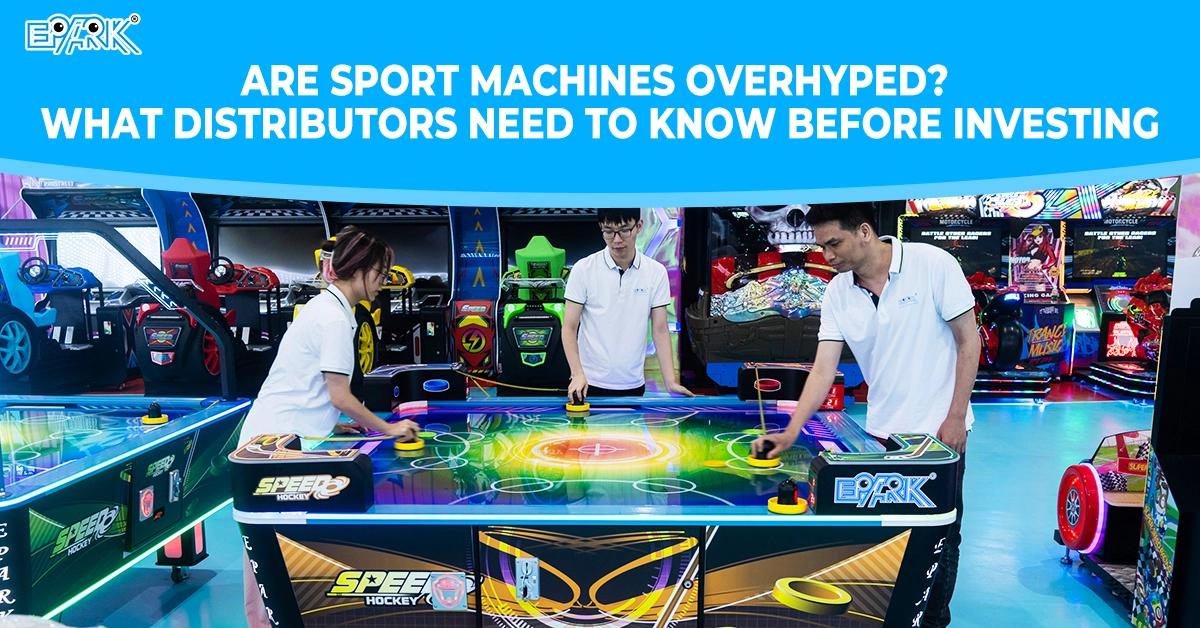
Shooting game machines, sports simulators, boxing machines, and competitive racing games are particularly effective in these environments. Machines with leaderboard systems, multiplayer modes, and fast gameplay cycles tend to perform best.
For distributors, this segment offers higher margins but requires careful product selection. Machines must balance excitement with manageable noise levels, compact footprints, and robust construction to withstand intense usage. Including this category in a portfolio helps distributors tap into a growing adult arcade trend without cannibalizing family-focused offerings.
Core Arcade Game Machine Categories Every Distributor Should Carry
Classic & Redemption Arcade Game Machines
Classic arcade and redemption machines remain the foundation of most successful portfolios. Despite emerging technologies, these machines continue to deliver consistent revenue, fast ROI, and broad demographic appeal.
Redemption games, in particular, are favored by FECs and malls due to their strong repeat-play behavior. Players are incentivized to return to accumulate tickets, directly supporting customer retention for operators.
From a distributor perspective, these machines offer advantages such as lower unit cost, simplified maintenance, and stable demand across regions. They also serve as ideal entry-level products for new buyers, often leading to upsell opportunities.
Racing Arcade Game Machines
Racing arcade machines are among the most visually impactful products in any arcade environment. Their large cabinets, motion seats, and multiplayer configurations make them natural crowd attractors.
These machines are suitable for a wide range of venues, from malls to amusement parks, and appeal to both casual and competitive players. For distributors, racing games represent a mid-to-high price segment with strong perceived value.
Importantly, racing machines also offer customization potential. Branding, car models, track themes, and cabinet artwork can often be localized, allowing distributors to tailor offerings for regional markets.
Shooting Game Machines
Shooting game machines are a core category for teenage and adult audiences. They combine immersive audiovisual effects with competitive gameplay, making them highly engaging and repeatable.
These machines typically support single-player and multiplayer modes, allowing operators to maximize utilization during peak hours. From a technical standpoint, shooting games require reliable sensors, responsive controls, and durable peripherals.
Distributors should ensure that shooting machines in their portfolio meet international safety and electrical standards, particularly when supplying to markets with strict regulatory requirements.
VR Arcade Game Machines
VR arcade machines represent the premium and future-oriented segment of the market. While unit costs are higher, they offer strong differentiation and higher per-play pricing opportunities for operators.
VR systems are especially attractive to venues seeking to modernize their image or introduce immersive experiences without large physical footprints. Motion platforms, shooting VR setups, and multiplayer VR pods are among the most popular formats.
For distributors, VR machines require a higher level of technical understanding, including software updates, hardware compatibility, and operator training. Including VR in a portfolio signals innovation and positions distributors as forward-thinking partners.
How to Build a Balanced, Profitable Product Mix
A successful arcade game machine portfolio is not defined by the number of products, but by strategic balance. Distributors should aim to combine high-volume sellers with high-margin machines while ensuring coverage across key venue types.
The table below illustrates a recommended portfolio structure:
| Category | Role in Portfolio | Typical ROI Cycle |
|---|---|---|
| Redemption Machines | Stable revenue base | 3–6 months |
| Racing Machines | Visual attraction & upsell | 6–10 months |
| Shooting Machines | High engagement & repeat play | 6–12 months |
| VR Arcade Machines | Premium differentiation | 9–15 months |
By layering products across different price and performance tiers, distributors can serve both budget-conscious buyers and premium operators. This approach also allows for cross-selling and project-based bundling, increasing total order value.
Key Factors Distributors Should Evaluate Before Stocking Machines
Product Quality & Durability
Quality is a non-negotiable factor in arcade distribution. Machines must withstand long operating hours, frequent user interaction, and varying environmental conditions. Distributors should assess cabinet materials, internal components, and assembly standards before adding products to their portfolio.
Durable machines reduce warranty claims, improve customer satisfaction, and protect distributor reputation. This is particularly important in international markets where on-site servicing may be limited.
Customization & Localization
Modern buyers increasingly demand customization. This includes language options, artwork design, branding integration, and electrical specifications such as voltage and plug standards.
Distributors who can offer localized solutions gain a competitive advantage, especially when serving multiple regions. Customization also allows distributors to differentiate similar machine types and avoid pure price competition.
Supplier Reliability & After-Sales Support
Even the best machines require ongoing support. Reliable suppliers provide spare parts availability, technical documentation, and responsive after-sales service.
For distributors, supplier reliability directly affects long-term profitability. Strong supplier partnerships reduce downtime for end customers and enable distributors to scale their operations with confidence.
Partnering with the Right Arcade Game Machine Manufacturer
Choosing the right manufacturing partner is a strategic decision. Leading manufacturers offer more than products—they provide project expertise, market insight, and continuous innovation.
One-stop suppliers that support layout planning, logistics coordination, and product customization allow distributors to focus on sales and market development. Over time, these partnerships enable distributors to expand portfolios efficiently while maintaining quality consistency.
Conclusion
Winning in arcade game distribution requires a strategic approach to product selection. A well-structured arcade game machine portfolio helps distributors meet diverse market needs, improve profitability, and build long-term customer relationships.
By understanding venue-specific demand, balancing product categories, and partnering with reliable manufacturers, distributors can move beyond transactional sales and position themselves as trusted industry partners. In a competitive global market, portfolio strategy is not optional—it is essential.

Disclaimer
The information provided on this website is for general informational purposes only.
While EPARK Arcade Game Machine Manufacturer strives to ensure accuracy and reliability, no warranties—express or implied—are made regarding completeness, performance, or applicability.
Product specifications, designs, and features may vary depending on usage, customization, and customer requirements.
Buyers are responsible for verifying all technical details, compliance certifications, and suitability before procurement.
EPARK shall not be held liable for any direct, indirect, incidental, or consequential damages arising from the use of this website or its content, including but not limited to business losses, data errors, or equipment misuse.
For tailored solutions or further verification, please visit our Contact Us
Intellectual Property Notice
All articles, product images, videos, catalogs, software, and related materials published on this website are the intellectual property of EPARK, unless otherwise stated.
Unauthorized reproduction, distribution, modification, or commercial use of any content is strictly prohibited without prior written consent from EPARK.
EPARK reserves the right to take legal action against any unauthorized use, including but not limited to copyright infringement, misrepresentation, or unfair competition.
Trademarks
The name EPARK, the EPARK logo, and all related brand elements displayed on this website are registered trademarks or trade names of Guangzhou EPARK Electronic Technology Co., Ltd.
Other product names, company names, or logos mentioned on this site may be trademarks of their respective owners.
Unauthorized use of EPARK's trademarks for commercial purposes, including advertising, promotions, or product packaging, is strictly prohibited.
Governing Law
These terms are governed by the laws of the People's Republic of China.