
Selecting the right game machines is a decisive factor for the success of commercial entertainment projects such as malls, Family Entertainment Centers (FECs), resorts, and theme parks. For B2B buyers—including developers, operators, distributors, and EPC contractors—the choice of equipment directly influences foot traffic, customer satisfaction, and long-term revenue performance. In a rapidly expanding global amusement industry, where consumer expectations are shifting toward immersive and interactive entertainment, making informed procurement decisions has become more important than ever.
This article provides a comprehensive guide for sourcing arcade and amusement machines, covering technical specifications, safety standards, project-specific considerations, layout planning, and investment strategies.
Understanding Game Machines for Commercial Projects
What Defines a Commercial-Grade Game Machine?
Commercial-grade game machines are designed for high-traffic environments and continuous daily operation. Unlike home entertainment devices, they are built with industrial-strength components such as reinforced steel frames, arcade-level control systems, commercial coin acceptors, and long-life electrical components. These machines must ensure durability, safety compliance, and stable revenue generation.
They also require compatibility with multiple payment systems—including coins, tokens, bills, membership cards, and QR code mobile payment—depending on the region’s consumer habits.
Main Categories of Game Machines
Commercial entertainment equipment can be broadly classified into:
| Category | Typical Machines | Suitable Venues | Core Purpose |
|---|---|---|---|
| Redemption Machines | Ticket games, ball toss, hammer games | FECs, malls | Encourage repeat play & prize exchange |
| Video Arcade Machines | Shooting, racing, sports, music games | Malls, resorts, theme parks | Skill-based competition & immersive gameplay |
| VR/AR Machines | VR 360 Chair, VR simulators | FECs, resorts | High immersive attraction, premium pricing |
| Kiddie Rides | Coin-operated rides, mini-games | Malls, kids’ zones | Safe entertainment for young children |
| Carnival & Outdoor Machines | Hammer, basketball, water shooting | Theme parks, resorts | High-visibility outdoor attractions |
| Soft Playground & Indoor Structures | Slides, trampolines, obstacles | Malls, resorts | High retention and family-friendly play |
Each category supports different customer segments and revenue models, making proper selection essential for business profitability.
Key Technical Standards
To meet global quality and safety requirements, game machines should comply with standards such as:
-
CE Certification (Europe)
-
UL Certification (North America)
-
EN 1176 Safety Standards (Playground Equipment)
-
RoHS Environmental Compliance
-
ISO 9001 Manufacturing Quality Control
These certifications ensure that machines operate safely, reduce maintenance risks, and are approved for commercial use in different countries.
Key Considerations for Different Types of Entertainment Projects
Game Machines for Shopping Malls
Shopping malls require a balanced mix of machines that attract families, increase dwell time, and support walk-in traffic. Because mall entertainment areas often share space with retail zones, machines must be visually appealing, compact, and quiet enough not to disturb nearby shops.
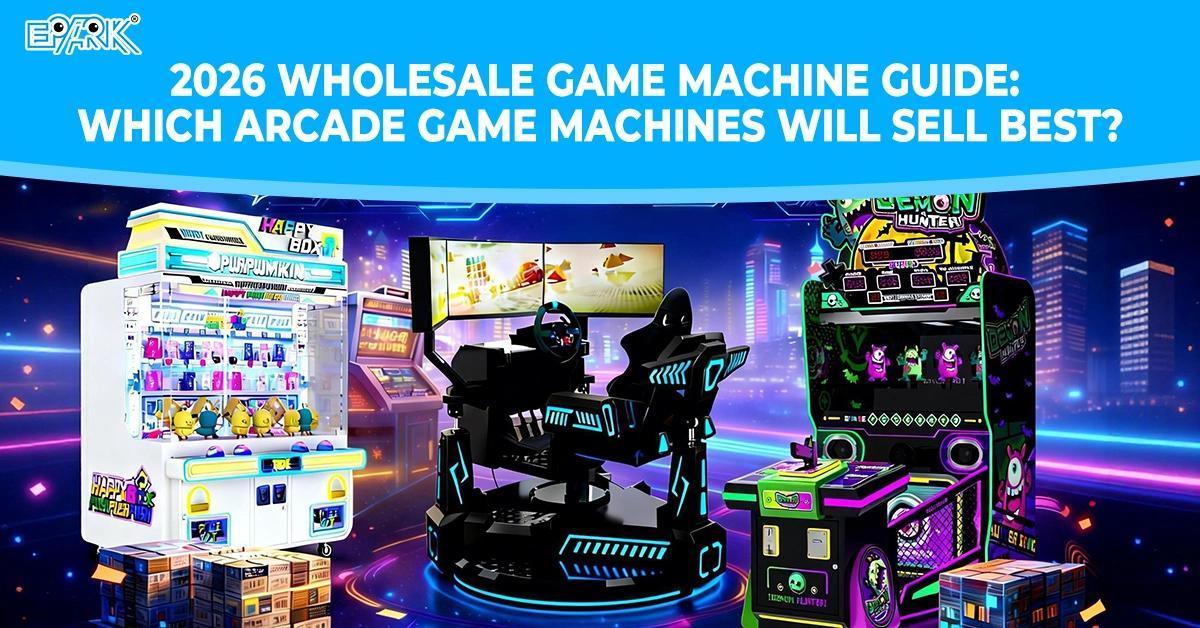
Redemption games, sports machines, and interactive experiences work well because they encourage short-duration, high-turnover gameplay. Malls also benefit from machines with LED lighting, modern cabinet design, and multi-language interfaces.
Recommended machine categories for malls:
-
Basketball machines
-
Crane machines
-
Video arcade game cabinets
-
Mini VR simulators
Game Machines for Family Entertainment Centers (FECs)
FECs focus heavily on entertainment value, family participation, and repeat visits. Their equipment mix must support a wide range of age groups, from small children to adult players.
FECs typically require higher machine variety, larger footprint equipment, and a strategic combination of redemption and skill-based games to maximize revenue. Because FECs operate as standalone entertainment businesses, machine ROI is a top priority.
Key requirements:
-
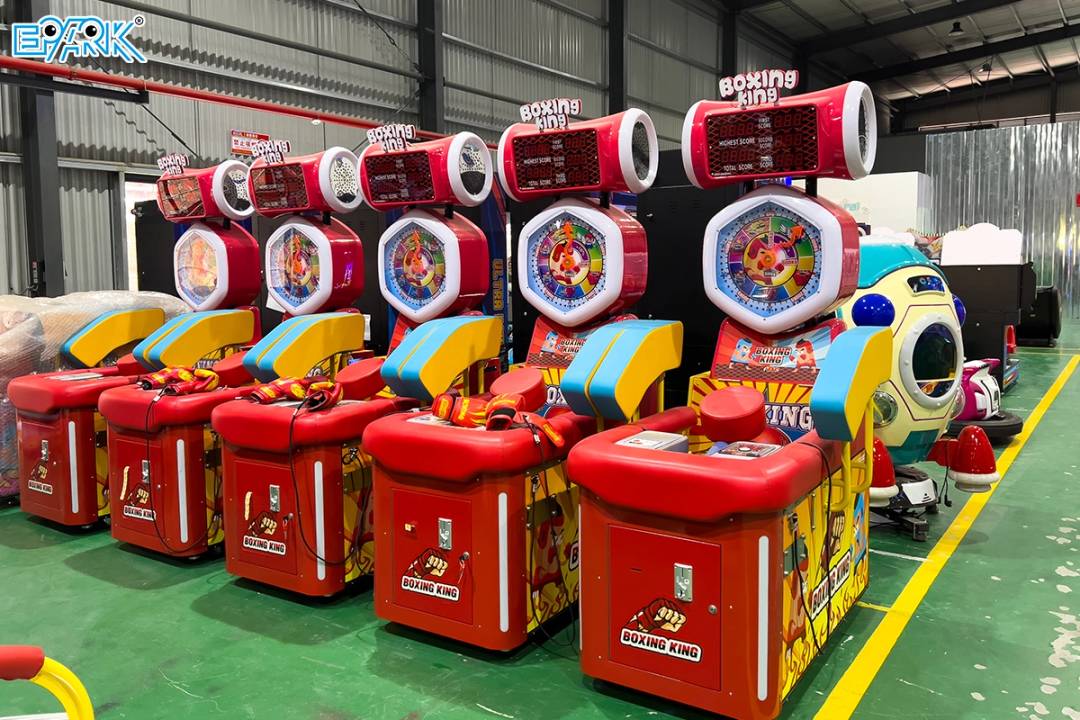
Reliable ticket redemption machines
-
Multiplayer arcade machines
-
Immersive VR rides
-
Soft-play structures for kids
-
Revenue monitoring systems with real-time data tracking
FECs also usually invest in equipment with higher durability, because play frequency is significantly above average.
Game Machines for Resorts
Resorts aim to create memorable guest experiences and extended leisure time. Game machines in resorts must be user-friendly, visually appealing, and easy for non-experienced players to operate.
Since resort visitors rarely have long periods of free time, machines should offer short, engaging gameplay cycles. Location aesthetics also matter, so resorts often prefer colorful, themed, or premium-looking equipment.
Popular choices include:
-
Racing simulators
-
VR motion chairs
-
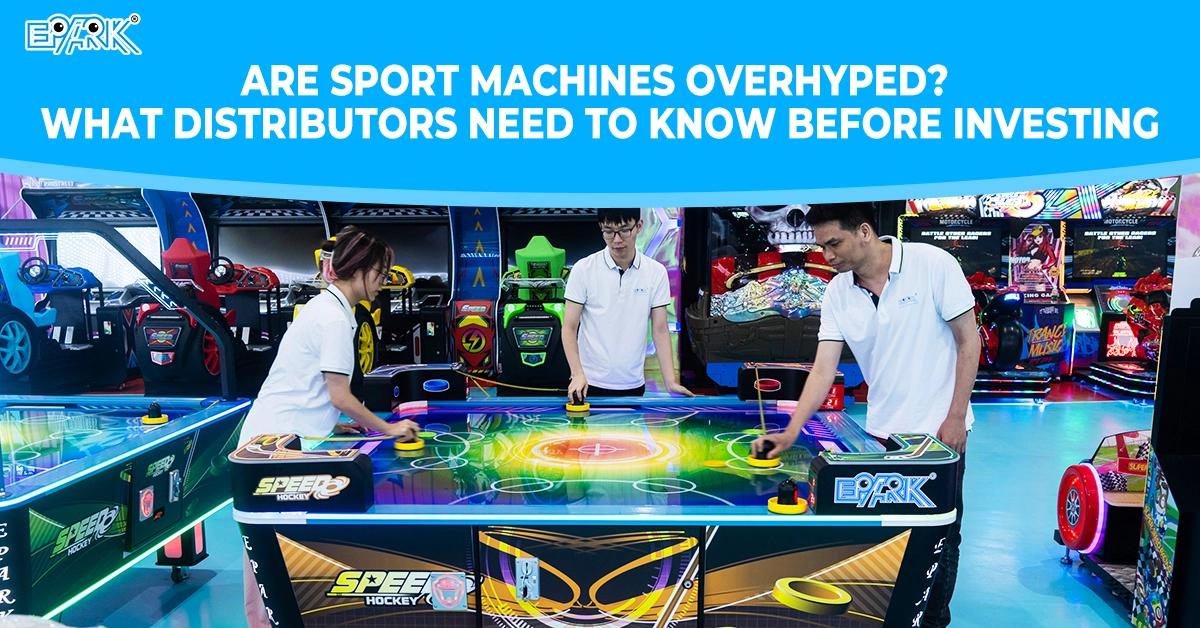
Air hockey tables
-
Family-friendly redemption games
Maintenance is also crucial—resorts often choose machines with remote monitoring or quick-service designs to reduce downtime.
Game Machines for Theme Parks
Theme parks require high-impact, attention-grabbing game machines that complement ride attractions and outdoor activities. These venues usually have large open spaces suited for big-footprint machines, carnival-style attractions, and outdoor-rated equipment with weather-resistant materials.
Theme parks also emphasize crowd engagement, meaning machines should have loud sound effects, striking designs, and visible scoring systems.
Typical game machine types:
-
Water shooting games
-
Outdoor basketball hoops
-
Hammer strength machines
-
Large redemption games with oversized cabinets
-
VR roller coaster simulators
Theme parks also prioritize safety standards and require machines constructed with:
-
Waterproof components
-
UV-resistant paint
-
Stainless steel frames
-
IP-rated electrical systems
Purchasing Guide: Choosing the Right Machines for Your Project
Define Your Project Type and Target Audience
Before purchasing, B2B buyers must clearly define:
-
Venue location
-
Target age group
-
Traffic flow
-
Revenue expectations
-
Space allocation
For example, a mall catering to families requires more child-friendly machines, while a resort focusing on young adults may invest in VR simulators or sports games.
Calculate the Required Number of Machines
Below is a reference table based on common venue sizes:
| Venue Size | Recommended Machine Quantity | Mix Recommendation |
|---|---|---|
| 30–80 sqm | 5–10 machines | Compact redemption & sports games |
| 80–150 sqm | 10–20 machines | Mixed arcade + redemption + kiddie rides |
| 150–300 sqm | 20–35 machines | VR, simulators, sports, ticket games |
| 300–500 sqm | 35–60 machines | Full arcade zone + FEC mix |
| 500+ sqm | 60+ machines | Diversified large-scale entertainment |
These estimates help optimize space, gameplay flow, and customer experience.
Evaluate Technical Specifications
For purchasing decisions, consider the following specifications:
| Specification | Why It Matters |
|---|---|
| Cabinet Material | Determines durability and stability |
| Power Consumption | Impacts monthly operating cost |
| Motor/Drive System | Relevant for VR and motion simulators |
| Display Size & Resolution | Affects visual quality and immersion |
| Payment System | Ensures compatibility with local usage |
| Software Reliability | Prevents system crashes & downtime |
For example, VR machines should have at least:
-
4K screen support
-
90–120 Hz refresh rate
-
Safety harness or secure seating
-
Industrial-grade motion platform
ROI & Payback Period Planning
A typical commercial game machine generates:
-
USD 30–120/day in malls
-
USD 50–200/day in FECs
-
USD 20–80/day in resorts
Based on global market averages, most machines have a payback period of 3–8 months. High-end machines such as VR attractions may take 8–12 months, but they offer premium pricing and stronger long-term revenue.
Work with an Experienced Manufacturer
Choosing a trusted game machine manufacturer significantly reduces project risks. Strong suppliers provide:
-
Factory-direct pricing
-
On-site installation guidance
-
Spare parts support
-
Software updates
-
After-sales maintenance
A reliable manufacturer also offers turnkey services including layout design, project planning, equipment mix suggestions, and operational consultation.
Product Examples for Different Projects
For Malls: Basketball Arcade Machine
-
Stable revenue generator
-
Compact footprint
-
Adjustable difficulty levels
-
LED scoring system
-
Suitable for all ages
For FECs: VR 360 Chair
-
High-impact immersive experience
-
360° motion platform
-
4K VR headset
-
30+ scene simulations
-
Strong revenue performance in mid-large FECs
For Resorts: Air Hockey Table
-
Family-friendly gameplay
-
Durable stainless steel frame
-
Low operational cost
-
Ideal for both indoor and semi-outdoor use
For Theme Parks: Hammer Strength Machine
-
Classic attraction
-
Outdoor-rated materials
-
High visibility
-
Strong competitive gameplay
Conclusion
Selecting the right game machines for malls, FECs, resorts, and theme parks requires a detailed understanding of venue characteristics, customer demographics, equipment categories, and technical standards. The right mix of machines can significantly enhance customer engagement, maximize revenue, and establish long-term operational stability.
By evaluating project type, space planning, machine specifications, and manufacturer reliability, B2B buyers can make informed purchasing decisions that deliver strong ROI and consistent performance.
Disclaimer
The information provided on this website is for general informational purposes only.
While EPARK Arcade Game Machine Manufacturer strives to ensure accuracy and reliability, no warranties—express or implied—are made regarding completeness, performance, or applicability.
Product specifications, designs, and features may vary depending on usage, customization, and customer requirements.
Buyers are responsible for verifying all technical details, compliance certifications, and suitability before procurement.
EPARK shall not be held liable for any direct, indirect, incidental, or consequential damages arising from the use of this website or its content, including but not limited to business losses, data errors, or equipment misuse.
For tailored solutions or further verification, please visit our Contact Us
Intellectual Property Notice
All articles, product images, videos, catalogs, software, and related materials published on this website are the intellectual property of EPARK, unless otherwise stated.
Unauthorized reproduction, distribution, modification, or commercial use of any content is strictly prohibited without prior written consent from EPARK.
EPARK reserves the right to take legal action against any unauthorized use, including but not limited to copyright infringement, misrepresentation, or unfair competition.
Trademarks
The name EPARK, the EPARK logo, and all related brand elements displayed on this website are registered trademarks or trade names of Guangzhou EPARK Electronic Technology Co., Ltd.
Other product names, company names, or logos mentioned on this site may be trademarks of their respective owners.
Unauthorized use of EPARK's trademarks for commercial purposes, including advertising, promotions, or product packaging, is strictly prohibited.
Governing Law
These terms are governed by the laws of the People's Republic of China.