
How Capsule Toy Claw Machines Increase Foot Traffic and Revenue in Modern Arcades
1. Capsule Machines Are Behavioral Engines, Not Accessories
In most arcades, player flow is shaped by habit: visitors walk, scan, slow down, test a game, repeat. The capsule toy claw machine succeeds because it fits naturally into this pattern—it is quick, low-commitment, highly visual, and easy to understand at a distance.
From operator reports across mall arcades and FECs, three consistent data points appear:
-
60–72% of first-time players choose a low-commitment game first
-
Capsule-style claw games attract 1.8–2.3× more “walk-by interactions” compared with mid-size video games
-
Impulse-play probability increases by 20–35% when machines are positioned along a natural walking route
This category does not pull players away from premium machines; it keeps them circulating.
2. Placement Determines Engagement: What Data Shows
A capsule machine’s performance is influenced less by its design and more by where players first see it.
Operators running multi-site layouts report performance differences such as:
-
Front-of-zone visibility increases approach rate by 40–55%
-
Corner placement reduces stopping behavior by up to 30%
-
Machines facing cross-path movement generate 17–22% more plays per hour
This is why successful arcades often position capsule units to slow down traffic before players reach anchor games, redemption zones, or high-energy attractions.
3. Layout Practices That Consistently Improve Revenue
High-Visibility Line of Sight
Players must be able to understand the reward immediately. Machines placed facing an open path maintain higher first-play conversion.
Moderate Spacing Increases Repeat Attempts
Tight clusters trigger decision fatigue. A spacing range of 0.9–1.2 m between machines consistently increases repeat attempts per visitor.
Queue-Friendly Perimeter Placement
Arcades located in malls often experience peak-time congestion. Capsule units placed near waiting zones (food court edges, seating areas, entrance waiting spots) generate stable off-peak revenue.
Avoid Wall-Flush Placement
Machines tightly pressed against long walls show 20–28% lower observation time, because players rarely stop in narrow flow lanes.
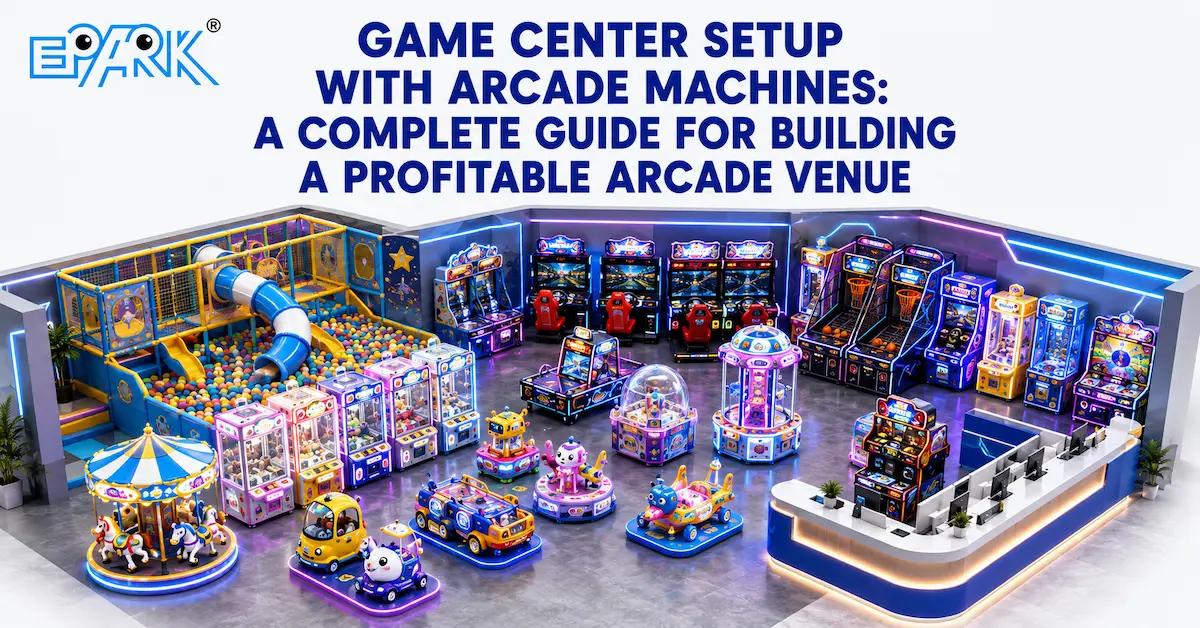
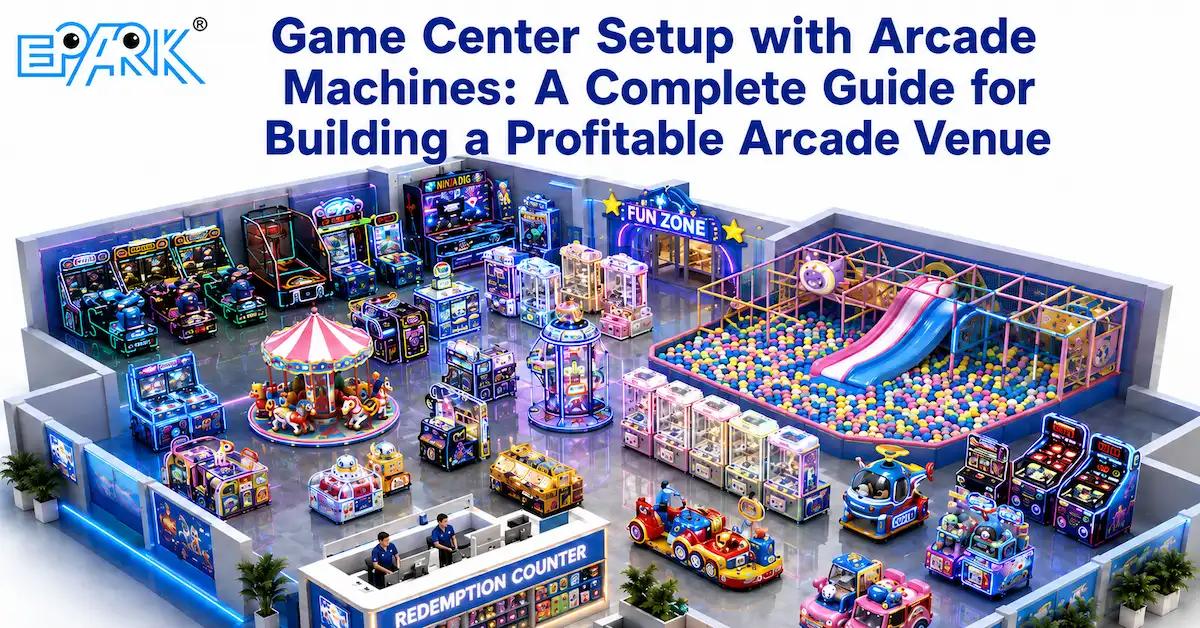
4. Layout Strategy by Arcade Size
Small Arcades(<80 sqm)
Objective:Maximize circulation
Guidelines:
-
Use 1–2 capsule machines to “pull” players deeper into the space
-
Avoid placing them immediately at the entrance—it causes crowding
-
Provide at least one viewing angle to reduce intimidation
Common outcome:Better distribution of traffic across all machines.
Medium Arcades(150–300 sqm)
Objective:Stabilize revenue through consistent impulse play
Guidelines:
-
Use capsule clusters at transition points rather than corners
-
Pair units with small prize display lighting for visibility
-
Keep clear walk paths that naturally “bend” toward capsule areas
Reported impact:Higher overall utilization of mid-tier games.
Large Arcades & FECs(300+ sqm)
Objective:Use capsule machines to balance zone energy
Guidelines:
-
Spread units across multiple play zones
-
Position capsule units near redemption stores to increase return flow
-
Use capsule units to soften the transition from loud zones to quiet zones
Outcome:Improved space utilization and smoother traffic patterns.
5. Decision Table: Layout Choice → Behavioral Effect → Revenue Effect
| Layout Choice | Player Behavior Change | Revenue Impact |
|---|---|---|
| Facing major walk path | Longer glance time | Higher first-play conversion |
| Near waiting areas | More impulse plays | More stable off-peak income |
| Moderate spacing | Longer observation, no crowd pressure | Higher replay rate |
| Clustered in corners | Reduced visibility | Lower interaction |
| Wide open aisle | Encourages group play | Higher total play units |
This table is based on behavior patterns observed across dozens of audited arcades.
6. Why Capsule Machines Amplify Overall Arcade Profitability
The “system value” of capsule machines is rarely recognized:
they help operators solve three silent but expensive problems:
-
Dead zones:Capsule machines revive low-flow areas
-
Traffic imbalance:They redirect players into less-visited aisles
-
Low-margin hours:Capsule units stabilize earnings during quiet periods
More importantly, the capsule crane does not compete with premium machines—it supports them by ensuring players continue moving and trying new games.
Frequently Asked Questions
1. Do capsule machines reduce play on higher-value machines?
No. In most arcades, they increase total circulation, which leads to higher mid-tier and premium game utilization.
2. Is clustering better than distributing machines?
Small clusters near transitions outperform large isolated clusters. Distribution works better for large FECs.
3. How often should placement be adjusted?
Whenever player flow patterns change—typically every 3–6 months or after introducing new anchor games.
Using Capsule Machines as a Strategic Asset, Not an Accessory
A capsule toy claw machine becomes a high-performing tool only when integrated into traffic design, space planning, and commercial objectives. At EPARKO, we help operators design arcade layouts that maximize visibility, balance flow, and increase replay through behavioral insights—not guesswork.
Our Arcade Planning & Design Service provides zone planning, machine layout mapping, and data-driven recommendations tailored to small, medium, and large venues.
Learn more through:
-
Homepage:https://www.eparko.com/
-
Arcade Design Process:https://www.eparko.com/design-process
-
Arcade Project Service:https://www.eparko.com/service
Disclaimer
The information provided on this website is for general informational purposes only.
While EPARK Arcade Game Machine Manufacturer strives to ensure accuracy and reliability, no warranties—express or implied—are made regarding completeness, performance, or applicability.
Product specifications, designs, and features may vary depending on usage, customization, and customer requirements.
Buyers are responsible for verifying all technical details, compliance certifications, and suitability before procurement.
EPARK shall not be held liable for any direct, indirect, incidental, or consequential damages arising from the use of this website or its content, including but not limited to business losses, data errors, or equipment misuse.
For tailored solutions or further verification, please visit our Contact Us
Intellectual Property Notice
All articles, product images, videos, catalogs, software, and related materials published on this website are the intellectual property of EPARK, unless otherwise stated.
Unauthorized reproduction, distribution, modification, or commercial use of any content is strictly prohibited without prior written consent from EPARK.
EPARK reserves the right to take legal action against any unauthorized use, including but not limited to copyright infringement, misrepresentation, or unfair competition.
Trademarks
The name EPARK, the EPARK logo, and all related brand elements displayed on this website are registered trademarks or trade names of Guangzhou EPARK Electronic Technology Co., Ltd.
Other product names, company names, or logos mentioned on this site may be trademarks of their respective owners.
Unauthorized use of EPARK's trademarks for commercial purposes, including advertising, promotions, or product packaging, is strictly prohibited.
Governing Law
These terms are governed by the laws of the People's Republic of China.