
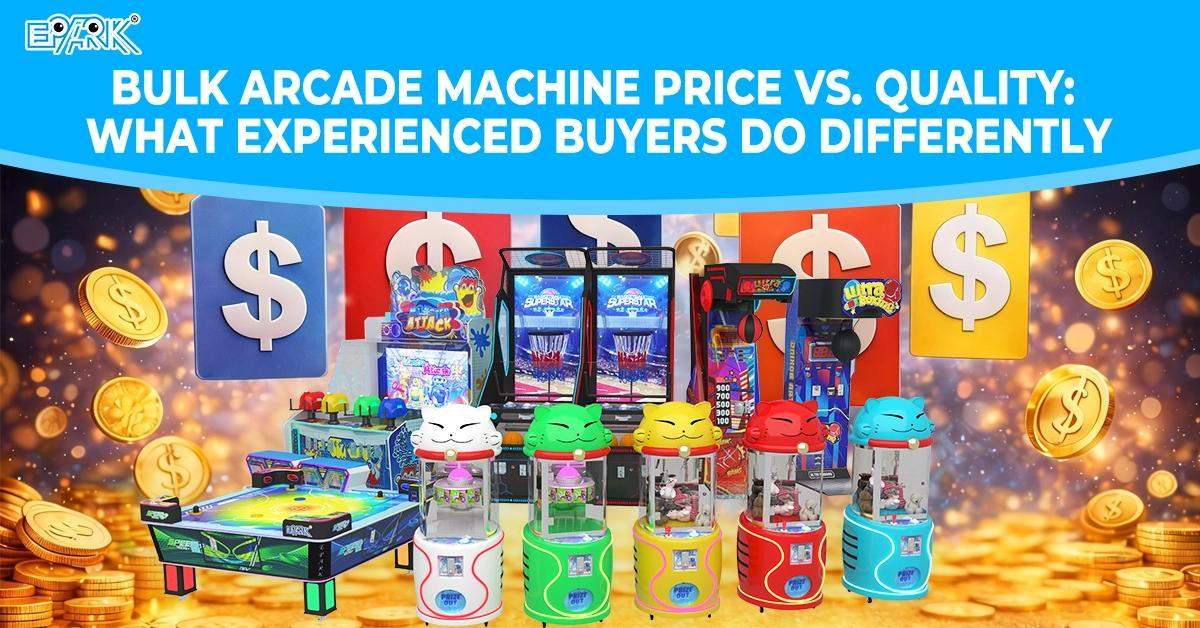
In the global arcade and Family Entertainment Center (FEC) industry, bulk arcade machine purchasing is a critical decision that directly affects profitability, operational stability, and long-term brand reputation. For B2B buyers—including FEC developers, arcade operators, distributors, and wholesalers—choosing between price and quality is not a simple trade-off. Instead, it is a strategic balance that separates experienced buyers from inexperienced ones.
Many first-time or price-driven buyers focus heavily on unit price, assuming that lower upfront costs will automatically lead to higher profits. In reality, this approach often results in hidden expenses such as frequent breakdowns, higher maintenance costs, shorter machine lifespans, and inconsistent player experiences. These issues can quickly erode margins and damage venue performance.
Experienced buyers approach bulk arcade machine sourcing differently. They evaluate total value, not just price, and understand that quality directly impacts uptime, customer satisfaction, and long-term return on investment (ROI). This article explains how professional buyers assess price versus quality, what criteria they prioritize, and how smart procurement strategies lead to more sustainable and profitable arcade operations.
Why Price Alone Is a Risky Metric in Bulk Arcade Machine Purchasing
Focusing solely on price is one of the most common mistakes in bulk arcade machine procurement. While a low quotation may look attractive on paper, it rarely reflects the true cost of ownership. Arcade machines are long-term operational assets, not disposable products, and their performance over several years determines their real value.
Low-priced machines often use consumer-grade components instead of industrial-grade parts. These may function initially but tend to fail under continuous commercial use, especially in high-traffic FEC environments where machines operate 10–14 hours per day. Frequent downtime not only increases repair expenses but also results in lost revenue during peak operating hours.
Another hidden cost is inconsistency. When machines vary in build quality or performance, operators face challenges in maintenance planning, spare parts management, and staff training. Experienced buyers understand that the cheapest option often leads to higher cumulative costs over time, making price-only decisions financially risky.
How Experienced Buyers Define “Quality” in Arcade Machines
Hardware Standards and Core Components
Experienced buyers define quality first and foremost through hardware standards. The cabinet structure is a critical starting point. Commercial arcade machines should use reinforced metal frames, appropriate steel thickness, and durable surface finishes designed to withstand constant physical interaction and transportation stress.
Key internal components also matter significantly. Industrial-grade power supplies, certified wiring systems, and proper grounding reduce the risk of electrical failure and ensure safety compliance. Cooling systems, including fans and ventilation design, are essential for preventing overheating, particularly in VR and motion-based machines.
Display quality is another major factor. Professional buyers evaluate brightness (measured in nits), resolution, refresh rate, and viewing angle stability. Poor-quality monitors reduce visual impact, strain players’ eyes, and diminish the overall gaming experience, directly affecting repeat play rates.
Software Stability and System Compatibility
Beyond hardware, software stability is a defining quality factor. Arcade machines operate in public, revenue-critical environments where system crashes or lag are unacceptable. Experienced buyers prioritize machines with stable operating systems, optimized game software, and proven performance records in commercial venues.
Compatibility and localization are equally important. Machines should support multiple languages, regional settings, and local regulatory requirements. This is especially relevant for global operators managing FECs across different countries. Reliable suppliers provide localized software versions and ongoing updates to ensure long-term usability.
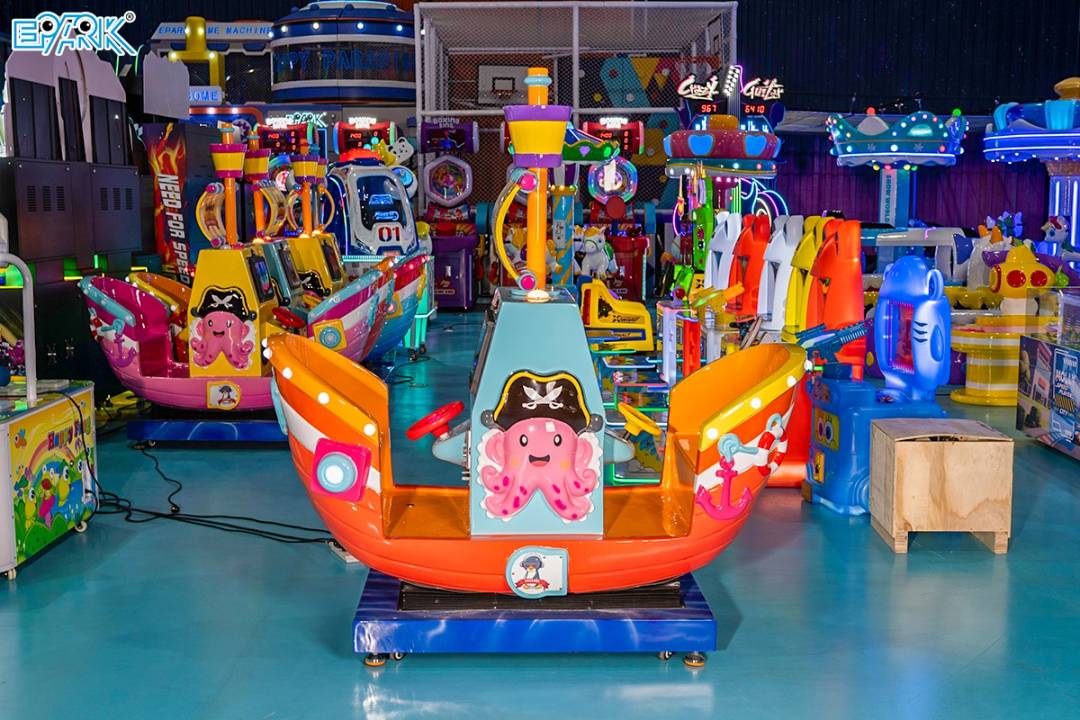
Upgrade capability is another key consideration. High-quality arcade systems are designed with future expansion in mind, allowing for game updates, hardware upgrades, or content expansion without replacing the entire machine. This flexibility significantly extends the machine’s lifecycle.
Price vs. Quality Comparison: What Really Matters
To understand how experienced buyers evaluate arcade machines, it is helpful to compare decision-making approaches.
| Evaluation Factor | Price-Focused Buyers | Experienced Buyers |
|---|---|---|
| Primary Focus | Lowest unit price | Long-term value |
| Component Quality | Often ignored | Strictly verified |
| Machine Lifespan | 1–2 years | 3–5+ years |
| Downtime Risk | High | Low |
| After-Sales Support | Minimal | Contracted and structured |
| Total Cost of Ownership | High | Optimized |
Experienced buyers rely on the concept of Total Cost of Ownership (TCO) rather than upfront cost. TCO includes purchase price, maintenance, spare parts, downtime losses, energy consumption, and eventual upgrade or replacement costs. When evaluated over a 3–5 year operational cycle, higher-quality machines almost always deliver better ROI.
Smart Bulk Purchasing Strategies Used by Experienced Buyers
Evaluating Suppliers Beyond Quotation Sheets
Professional buyers do not make decisions based solely on quotations or product photos. They evaluate suppliers holistically, starting with manufacturing capacity and transparency. Factory audits, production videos, certifications, and quality control procedures provide insight into a supplier’s reliability.
Export experience is another critical factor. Suppliers familiar with international shipping, packaging standards, and regional compliance reduce the risk of delays and damage. Experienced buyers also review past project references, especially those similar in scale or market.
Communication quality matters as well. Reliable suppliers provide clear technical documentation, prompt responses, and professional project coordination. These soft factors often indicate long-term partnership potential.
Balancing Cost Efficiency with Customization
Customization is a major advantage of bulk purchasing, but it must be managed carefully. Experienced buyers choose standardized platforms that allow for flexible customization without excessive cost increases. Examples include interchangeable cabinet artwork, configurable control layouts, and modular internal components.
OEM and ODM services are most cost-effective when applied strategically. Instead of fully custom designs for every machine, professionals customize branding and user-facing elements while keeping core systems standardized. This approach balances brand differentiation with manufacturing efficiency.
Negotiating Value, Not Just Price
Experienced buyers negotiate for overall value, not just lower prices. This includes warranty terms, spare parts packages, technical training, and after-sales service commitments. A slightly higher unit price often becomes more cost-effective when bundled with comprehensive support.
Logistics optimization is another negotiation point. Consolidated shipping, optimized packaging, and clear delivery schedules reduce transportation costs and project risk. Buyers who understand the full supply chain can significantly improve cost efficiency without compromising quality.
Which Arcade Machine Categories Require Higher Quality Investment
High-Load and High-Revenue Machines
Certain arcade machines operate under heavy mechanical and electrical load, making quality investment essential. Shooting arcade machines and racing simulators fall into this category. These machines experience constant input, vibration, and high player engagement, requiring robust components and precise calibration.
Failures in these machines lead to immediate revenue loss because they are often top earners on the arcade floor. Experienced buyers allocate higher budgets here to ensure stability, accuracy, and long-term performance.
VR and Interactive Machines
VR and motion-based arcade machines require even higher quality standards. Performance issues such as latency, tracking errors, or system crashes directly impact player safety and experience. Cutting costs in this category significantly increases operational risk.
Professional buyers evaluate CPU/GPU performance, motion platform reliability, and safety systems carefully. They also ensure suppliers provide technical support and software updates, as VR content evolves rapidly.
Supporting Machines Where Cost Control Is Acceptable
Not all machines require the same investment level. Claw machines, basic redemption games, and low-complexity kids’ games can be sourced with more cost control, as long as basic quality standards are met.
Experienced buyers strategically allocate budgets, investing heavily in core revenue drivers while optimizing costs for supporting machines. This balanced approach maximizes overall floor profitability.
Common Procurement Mistakes and How Experienced Buyers Avoid Them
One common mistake is relying solely on images and specifications without real-world testing. Experienced buyers request demo videos, performance data, or sample units to verify quality before committing to bulk orders.
Another frequent issue is ignoring regional electrical and safety standards. Voltage compatibility, power consumption, and certification requirements vary by market. Professional buyers ensure compliance upfront to avoid costly retrofits or legal issues.
Finally, inexperienced buyers often overlook after-sales infrastructure. Without reliable spare parts supply and technical support, even high-quality machines become liabilities. Experienced buyers prioritize suppliers with structured after-sales systems and long-term service capability.
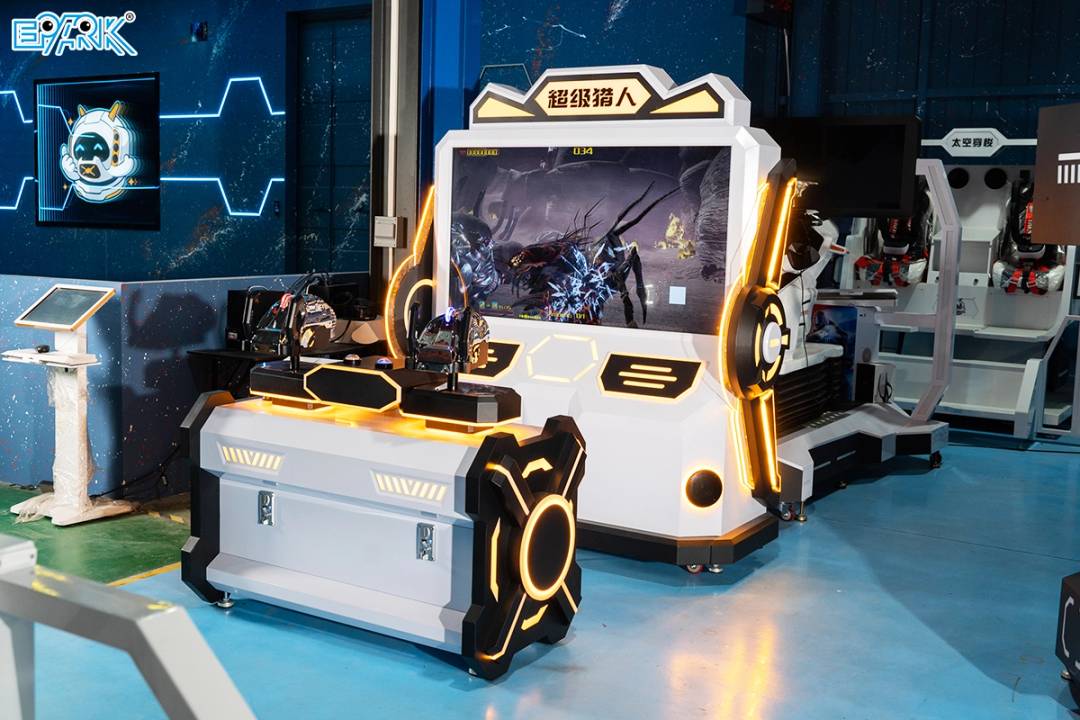
Future-Proofing Bulk Arcade Machine Investments
As the arcade industry evolves, future-proofing has become a core procurement principle. Modular designs allow machines to be upgraded rather than replaced, reducing long-term capital expenditure. Cloud-connected systems and data analytics enable operators to monitor performance and optimize revenue.
Energy efficiency is another growing consideration. Machines designed with efficient power systems and durable components reduce operating costs and support sustainability goals. Experienced buyers increasingly evaluate these factors as part of quality assessment.
Most importantly, professionals view suppliers as long-term partners rather than one-time vendors. Stable partnerships support continuous improvement, innovation, and scalable growth.
Conclusion
The difference between price-driven and value-driven bulk arcade machine purchasing is the difference between short-term savings and long-term profitability. Experienced buyers understand that quality is not an expense but an investment that directly impacts uptime, player satisfaction, and ROI.
By evaluating total cost of ownership, prioritizing reliable suppliers, and allocating budgets strategically across machine categories, professional buyers achieve better operational outcomes and sustainable growth. In a competitive global FEC market, these procurement strategies are no longer optional—they are essential.

Disclaimer
The information provided on this website is for general informational purposes only.
While EPARK Arcade Game Machine Manufacturer strives to ensure accuracy and reliability, no warranties—express or implied—are made regarding completeness, performance, or applicability.
Product specifications, designs, and features may vary depending on usage, customization, and customer requirements.
Buyers are responsible for verifying all technical details, compliance certifications, and suitability before procurement.
EPARK shall not be held liable for any direct, indirect, incidental, or consequential damages arising from the use of this website or its content, including but not limited to business losses, data errors, or equipment misuse.
For tailored solutions or further verification, please visit our Contact Us
Intellectual Property Notice
All articles, product images, videos, catalogs, software, and related materials published on this website are the intellectual property of EPARK, unless otherwise stated.
Unauthorized reproduction, distribution, modification, or commercial use of any content is strictly prohibited without prior written consent from EPARK.
EPARK reserves the right to take legal action against any unauthorized use, including but not limited to copyright infringement, misrepresentation, or unfair competition.
Trademarks
The name EPARK, the EPARK logo, and all related brand elements displayed on this website are registered trademarks or trade names of Guangzhou EPARK Electronic Technology Co., Ltd.
Other product names, company names, or logos mentioned on this site may be trademarks of their respective owners.
Unauthorized use of EPARK's trademarks for commercial purposes, including advertising, promotions, or product packaging, is strictly prohibited.
Governing Law
These terms are governed by the laws of the People's Republic of China.