
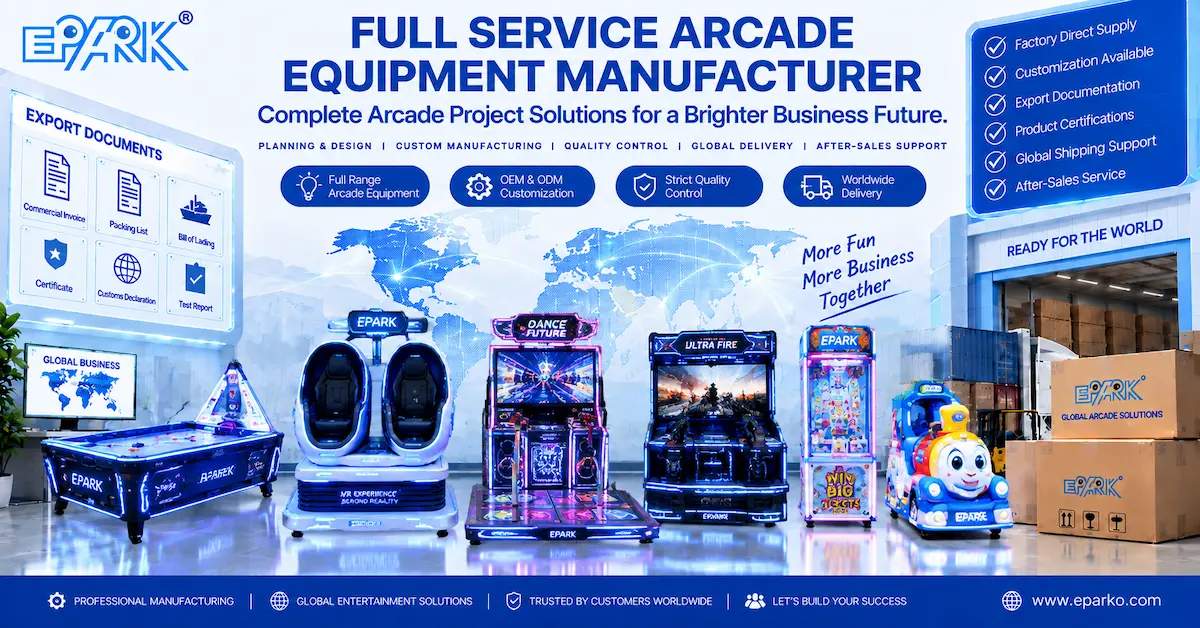
What Does a Full Service Arcade Equipment Manufacturer Actually Do?
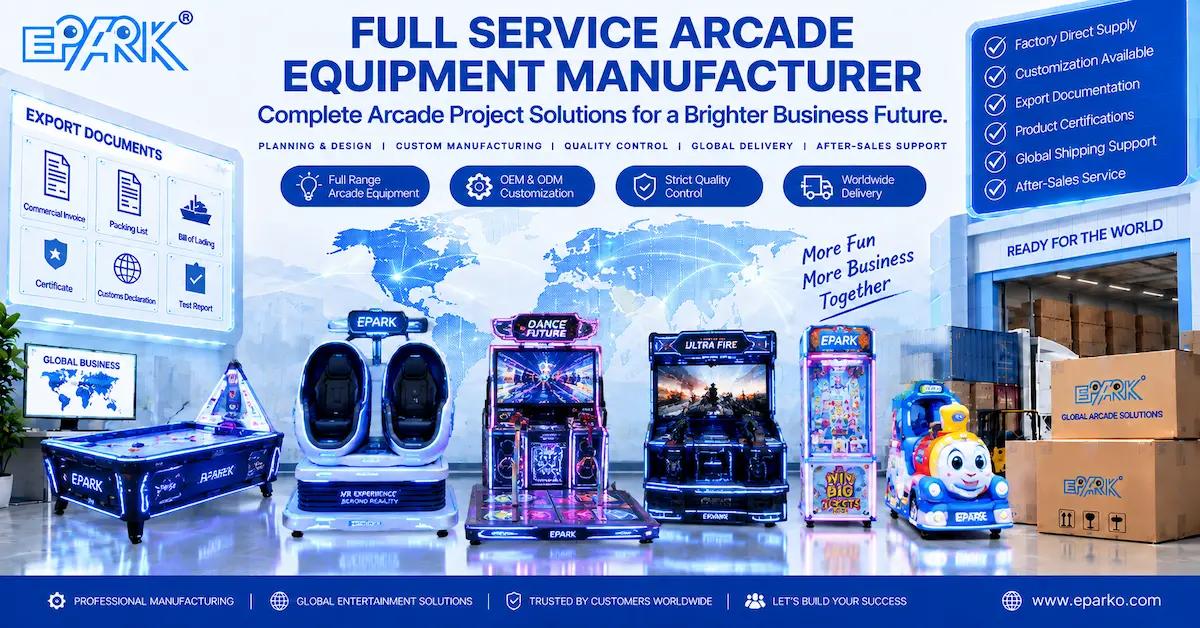
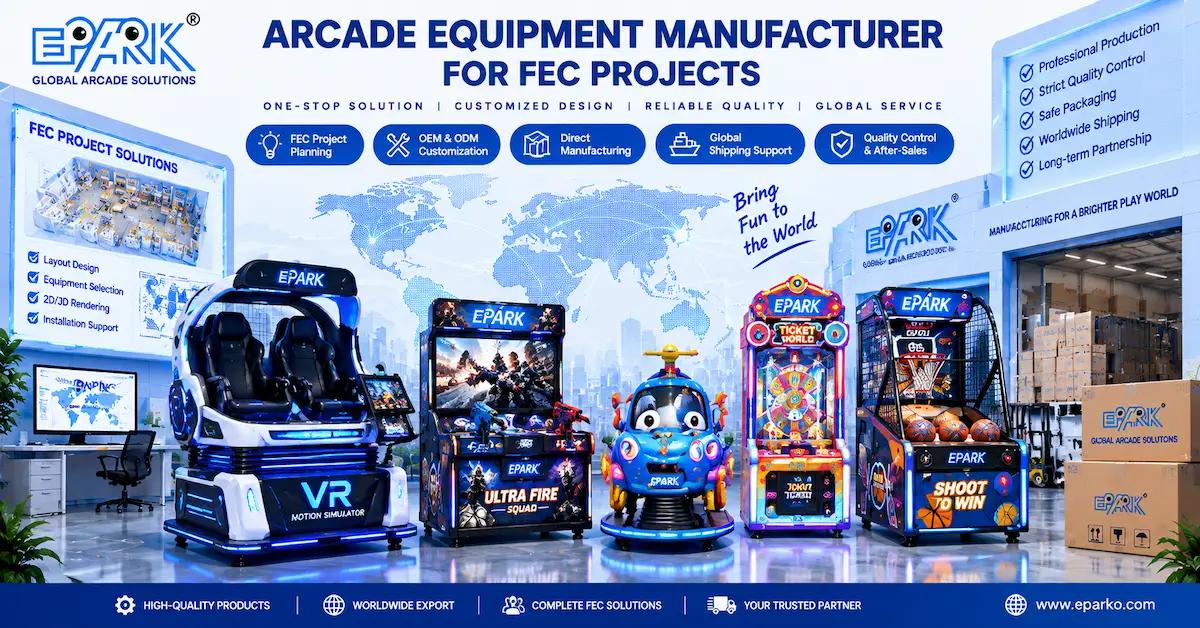
A full service arcade equipment manufacturer should support more than the production of individual game machines. For FEC operators, distributors, arcade chains, mall entertainment projects, and overseas investors, the practical value of a full-service partner is that product selection, venue requirements, machine configuration, customization, manufacturing, quality control, packing, delivery preparation, installation guidance, and future maintenance can be managed through one coordinated project process.
“Full service” should not be interpreted as an automatic promise that every physical task, freight charge, customs process, electrical installation, or on-site service is included in every order. Buyers should define the exact commercial scope before purchasing. EPARK’s Products, Design & Process, Service, and FAQs can be used to understand the available product and service directions, while the final quotation should identify what applies to the individual project.
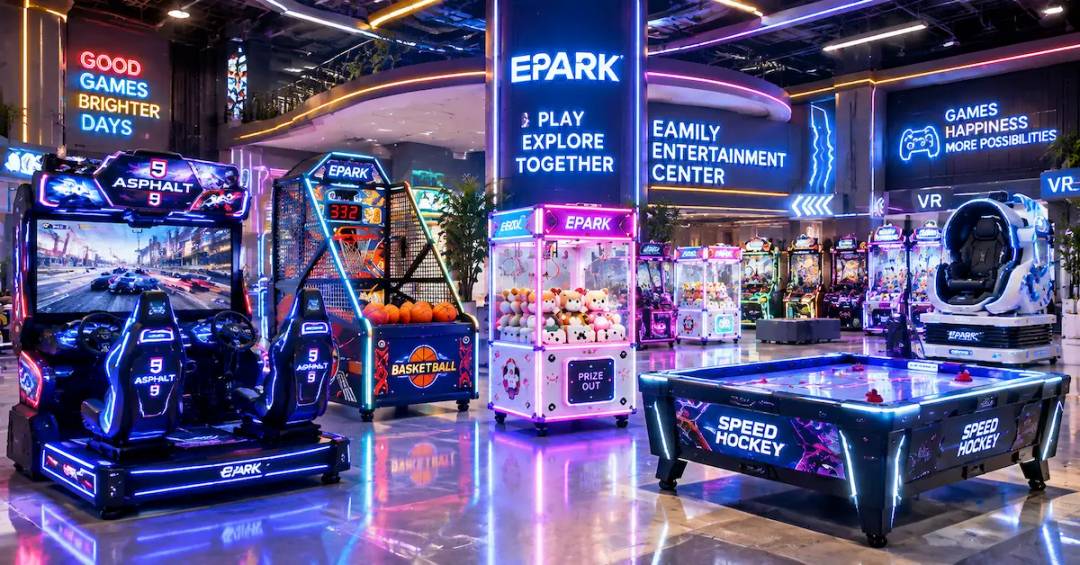
Who Benefits Most From a Full-Service Arcade Supplier?
A complete service model is most useful when the buyer is managing a multi-machine or multi-stage commercial project. A new FEC investor may need help moving from an empty floor plan to an equipment schedule. A regional distributor may need consistent machine versions, custom branding, export packing, spare-parts support, and reliable repeat orders. An arcade chain may require similar configurations across multiple venues, while an international project contractor may need manufacturing and logistics information coordinated around a fixed opening schedule.
A venue purchasing one standard replacement cabinet may not need the same service depth. Likewise, a buyer requiring immediate local maintenance may still need a qualified local service partner even when equipment is sourced directly from the manufacturer. Buyers should therefore decide which stages they want the manufacturer to control and which stages will remain with their own designers, freight forwarders, local contractors, payment-system providers, or venue technicians.
Start With the Venue and Business Model, Not the Product Catalog
A full-service arcade project should begin with the commercial environment in which the machines will operate. Before selecting products, define the usable floor area, target players, expected game mix, payment method, prize strategy, local maintenance capability, destination market, and planned opening schedule. For an existing venue, also identify entrances, columns, electrical points, network requirements, neighboring equipment, and any limitations affecting delivery or installation.
EPARK’s Products can be used to compare available game and project directions after those conditions are understood. Selecting machines first and attempting to fit them into the building afterward creates avoidable problems: cabinets may fit physically but leave insufficient player clearance, maintenance doors may be blocked, or high-impact attractions may be placed where they cannot be seen from the entrance.
Build the Equipment Mix Around Different Commercial Functions
A family entertainment center normally performs better when machines serve different operating roles rather than repeating one attraction type across the entire floor.
| Equipment Category | Typical Commercial Role | What Buyers Should Confirm | Project Consideration |
|---|---|---|---|
| Claw machines | Prize attraction and visual merchandising | Prize area, grab mechanism, payment system, refill access | Visibility and replenishment |
| Racing games | Competitive seated play | Display, steering, pedals, seats, linked functions where applicable | Player clearance and service access |
| Redemption games | Skill play connected to rewards | Scoring, ticket/point output, payment integration | Connection with prize operation |
| Basketball games | Social and physical competition | Sensors, scoring, frame, player area | Assembly and ceiling/aisle clearance |
| Shooting games | Interactive skill entertainment | Controllers, display, sensors, configuration | Calibration and controller service |
| VR / simulators | Immersive attraction | Hardware, software, controls, motion where applicable | Technical setup and operator workflow |
| Kiddie rides | Younger-player and family zones | Operating cycle, controls and intended use | Visibility and supervision |
The table is a planning framework rather than a universal specification. Exact models and configurations should be selected from EPARK’s equipment range according to the actual venue.
Connect Layout Planning With the Final Machine Schedule
A floor plan becomes useful only when it reflects the actual equipment dimensions and operating conditions. Buyers should distinguish between the physical cabinet footprint and the space the machine needs in operation. A racing cabinet requires access around the seat and controls; a basketball machine needs player standing space; a prize machine requires refill and service access; larger simulators may also need operator or waiting areas.
The manufacturer and venue team should therefore review machine dimensions, pedestrian circulation, queue areas, maintenance clearance, payment points, prize zones, and staff workflow together. EPARK’s Design & Process can be used as a starting point for coordinating design requirements with equipment selection. A rendering may help visualize the concept, but the purchasing decision should still rely on measured drawings and confirmed machine specifications.
Create One Technical Specification Before Production
A full service arcade equipment manufacturer should help turn the approved machine list into a controlled specification that can be used by sales, production, QC, logistics, installation, and after-sales teams. Similar-looking cabinets can use different controls, payment devices, software, accessories, or shipping configurations, so model names and photographs alone are not enough.
| Specification Area | Information to Confirm | Why It Matters |
|---|---|---|
| Machine identity | Model, revision and quantity | Production and repeat-order traceability |
| Assembled dimensions | Final L × W × H | Layout planning |
| Player/service clearance | Space required around the machine | Venue operation and maintenance |
| Packed dimensions | Final package dimensions and count | Freight planning |
| Weight | Net and packed weight | Handling and unloading |
| Electrical requirements | Model-specific voltage, frequency and power information | Site preparation |
| Payment configuration | Coin, token, card or approved system | Commercial compatibility |
| Controls | Buttons, joystick, steering, sensors or other interfaces | QC and maintenance |
| Display / audio | Approved configuration | Version control |
| Software | Version, language and licensing where applicable | Operation and repeat orders |
| Reward system | Ticket, points or prize functions where applicable | FEC integration |
| Accessories | Keys, cables, hardware and manuals | Receiving inspection |
| Spare parts | Agreed opening/service components | Maintenance preparation |
| Packaging | Shipping configuration | Delivery protection |
| Documentation | Applicable manuals and project files | Handover |
Unresolved fields should remain visible until confirmed. They should not silently become factory-selected defaults.
Review Cabinet Construction, Components, and Serviceability Together
A commercial game machine should be evaluated as a complete operating system. Cabinet structure, exterior panels, transparent sections, doors, locks, control areas, electronics, displays, payment devices, sensors, lighting, wiring, motors, and machine-specific mechanisms can all affect everyday operation.
The buyer does not need a marketing list of every component inside the machine. More useful questions are which components define the approved production version, which parts may need routine replacement, how technicians reach those parts, and how a future spare-parts request will be matched to the machine. This is particularly important for distributors and chains that may need to maintain equipment years after the original purchasing team has changed.
Turn Workmanship Into Observable Inspection Criteria
“Professional workmanship” is difficult to use during factory acceptance unless it is translated into checks. Cabinet inspection can include panel alignment, graphics, transparent surfaces, doors, locks, fasteners, lighting, labels, and visible damage. Internal review can focus on secure mounting, relevant cable organization, connectors, payment hardware installation, service access, and machine-specific mechanisms.
For multiple identical units, consistency should also be evaluated. If several cabinets use different settings, artwork revisions, or undocumented component changes, maintenance can become more difficult even when every machine operates at the factory. Repeatability is therefore part of manufacturing quality, not merely a convenience for future orders.
Use Quality Control as a Project Acceptance Stage
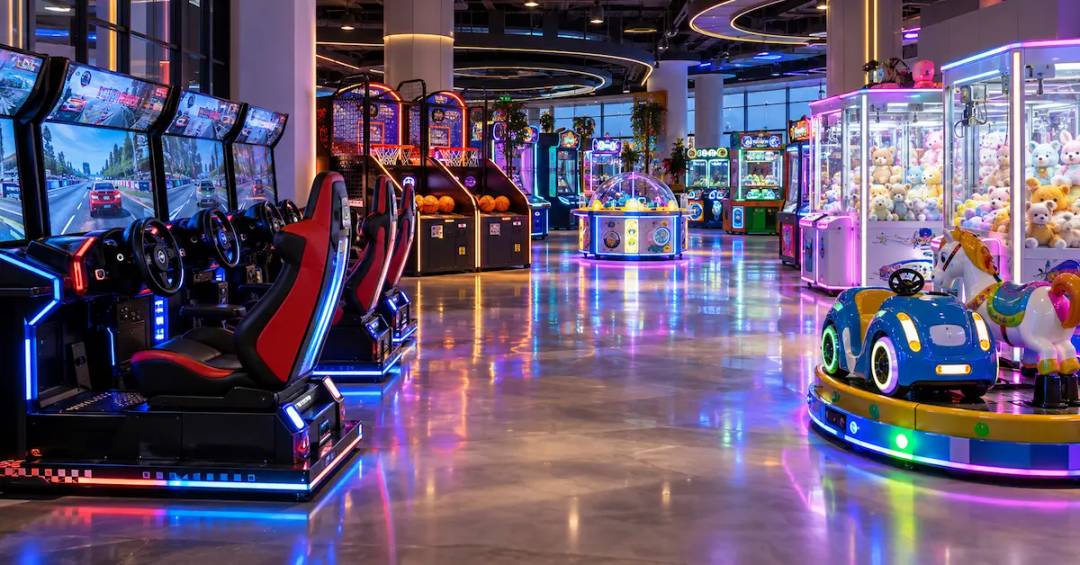
EPARK’s Design & Process should be used as the starting point for discussing manufacturing and testing, while buyers should create an order-specific acceptance checklist for the actual machines.
Functional Acceptance
Where applicable, test payment recognition, credit registration, game start, controls, display, audio, scoring, reward output, sensors, mechanical operation, and reset behavior. Racing, shooting, sports, redemption, and simulator equipment should also include the functions specific to the ordered configuration.
Configuration Acceptance
Verify the payment hardware, software/version where relevant, artwork, language, accessories, branding, and other approved options.
Cosmetic Acceptance
Review cabinet surfaces, graphics, doors, transparent areas, lighting, labels, and visible condition.
Packing Acceptance
Confirm package identification, accessories, keys, manuals, spare parts, and any separately packed structures. Functional QC and packaging QC should remain separate because a machine that operates correctly can still be shipped with missing parts or insufficient package identification.
Handle Certifications and Documentation by Machine and Destination
A full-service supplier can coordinate documentation, but buyers should still identify what is required for their destination and selected equipment. Product-related technical files, operating manuals, commercial invoices, packing lists, and shipping documents serve different purposes and should not be treated as interchangeable.
Do not assume that a general certificate displayed by a company automatically applies to every game category or every customized version. If the buyer changes hardware, electrical configuration, cabinet structure, software, or another relevant element, confirm whether that change affects the required documentation. EPARK’s FAQs can be used for general purchasing questions, while destination-specific requirements should be verified before production is completed.
Decide Whether the Project Needs Standard, OEM, or ODM Equipment
A complete service partner should not push every customer into deep customization. Existing machines can often provide a lower-risk starting point.
| Supply Route | Typical Requirement | Suitable Buyer | Key Approval |
|---|---|---|---|
| Standard equipment | Existing machine fits the application | Arcade operators and expansions | Final specification |
| OEM branding | Logo, graphics, colors, labels | Distributors and private labels | Artwork/version |
| Configured OEM | Existing platform plus approved market changes | Regional buyers and chains | Compatibility |
| ODM development | More substantial structural or functional development | Differentiated product programs | Prototype and production release |
| Multi-machine FEC project | Coordinated equipment package | New venues and major expansions | Layout and project responsibilities |
EPARK’s Why Choose Us can be used to discuss customization and project-support requirements. Buyers should separate cosmetic modifications from technical changes so a simple branding project does not become unnecessarily complex.
Build Production and Lead Time Around Project Milestones
A factory-ready date is only one milestone in a complete arcade project. Buyers should separate requirement confirmation, layout approval, machine specification, customization approval, production, testing, packing, international transport where applicable, unloading, installation, and commissioning.
Production capacity should also be evaluated against the actual machine mix rather than a general factory output number. A batch of standard claw machines may follow a different schedule from an order combining customized racing, sports, redemption, and VR equipment. General purchasing information can be reviewed through EPARK’s FAQs, but final timing should be confirmed for the project rather than copied from a generic website statement.
Plan Export Packing and Shipping Before Production Is Finished
Full-service project management should connect the final equipment configuration with logistics. Seats, basketball frames, decorative headers, simulator assemblies, accessories, and service parts may create separate packages, so buyers should request final packed dimensions, package counts, gross weights, package identification, and any reassembly requirements.
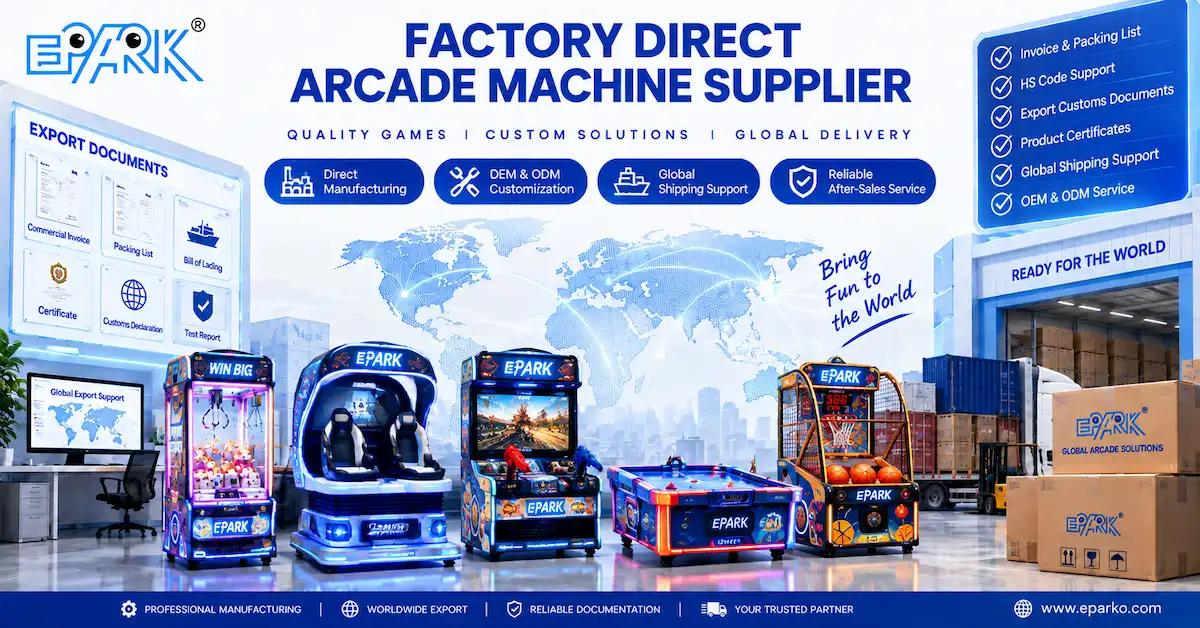
EPARK’s Service page provides the entry point for discussing delivery-related support. The buyer should still clarify who arranges freight, who handles customs-related procedures, who manages destination transport, who unloads the equipment, and where the manufacturer’s responsibility ends. “Worldwide delivery” or “shipping support” should not be treated as proof that all destination work is included.
Define Installation and Commissioning Responsibilities Before Shipment
A full-service project should answer what happens after the equipment reaches the venue. Depending on machine complexity and local arrangements, installation can involve unloading, movement into position, approved assembly, electrical preparation, network preparation, payment-system configuration, gameplay testing, staff instruction, and final commissioning.
For standard machines, manuals and remote technical guidance may be sufficient. Larger FEC projects may require coordination between the manufacturer, local contractor, payment-system provider, and venue team. EPARK’s Service and FAQs should be used to define the available support, while the quotation should specify which physical and technical tasks remain the buyer’s responsibility.
Make Spare Parts and After-Sales Support Part of the Original Purchase
After-sales service has greater commercial value when it is planned before a failure occurs. Buyers should ask how machines are identified, how replacement components are matched to production versions, what information is needed for troubleshooting, and which parts are suitable for local replacement.
Potential service components depend on the machine but can include buttons, joysticks, sensors, payment devices, power supplies, boards, cables, motors, switches, locks, and product-specific mechanisms. The opening spare-parts package should therefore be built around the actual equipment mix rather than one generic kit.
For future support, retain the model, order reference, production revision, component information, configuration, and maintenance history. This gives the manufacturer a much stronger basis for troubleshooting than an unidentified photograph of a faulty part.
Compare Full-Service Cost Instead of Machine Price Alone
When comparing a full service arcade equipment manufacturer, evaluate the complete commercial scope rather than the cabinet price. One supplier may include planning, payment configuration, export packing, spare parts, and technical support while another quotes only the finished machine.
Relevant cost areas include equipment, customization, payment hardware, software or licenses where applicable, design work, spare parts, packaging, logistics, unloading, installation, and technical services. A lower unit quotation can still create a higher project cost if essential work is transferred to the buyer later.
The purchasing team should therefore ask for four clearly separated groups: what is included, what is optional, what is excluded, and what remains subject to technical confirmation.
How Does a Full-Service Manufacturer Compare With an Equipment-Only Supplier?
| Project Area | Equipment-Only Supplier | Full-Service Approach |
|---|---|---|
| Requirement analysis | Buyer selects products | Venue and business requirements reviewed first |
| Equipment mix | Product-by-product ordering | Machines coordinated by commercial role |
| Layout | Buyer manages independently | Machine data connected to planning |
| Specifications | Basic product information | Controlled configuration schedule |
| Customization | Artwork or options sold separately | Changes linked to production revision |
| QC | Standard functional test | Project-specific acceptance criteria |
| Packing | Standard shipment preparation | Package data connected to project logistics |
| Installation | Limited handover | Responsibilities defined before shipment |
| Spare parts | Ordered after problems occur | Initial and future support planned |
| Repeat orders | Same product name | Version and change control retained |
The appropriate model depends on the buyer. The table is not intended to suggest that every project requires the maximum possible service scope; it helps purchasing teams decide which responsibilities they want one supplier to manage.
What Should You Send EPARK for a Full-Service Project Proposal?
When contacting a full service arcade equipment manufacturer, provide the destination, buyer type, venue type, measured floor plan where available, target player groups, desired machine categories, expected quantities, payment requirements, branding or customization needs, target opening or shipment period, and local installation resources.
For distributors, explain whether the order is for stock, a specific customer project, or a repeat product program. For a new FEC, also describe the desired entertainment mix and any site limitations. Review EPARK Products, Design & Process, Why Choose Us, and Service, then submit the project brief through Contact Us.
Frequently Asked Questions
1. What Is a Full Service Arcade Equipment Manufacturer?
A full-service manufacturer supports multiple stages of the commercial arcade project rather than only supplying finished machines. Depending on the agreed scope, this can involve equipment selection, layout coordination, customization, manufacturing, QC, packing, delivery preparation, technical guidance, and after-sales support.
2. Does Full Service Mean the Manufacturer Handles Everything?
Not automatically. Buyers should define exactly which responsibilities belong to the manufacturer and which remain with local contractors, freight forwarders, customs professionals, payment providers, or venue staff.
3. Is a Full-Service Supplier Better for a New FEC?
It can reduce coordination work when a new project requires several machine categories, layout planning, customization, delivery preparation, and technical support. Buyers should still compare the actual project scope and responsibilities before choosing.
4. What Information Is Needed Before Arcade Equipment Selection?
Provide venue size, floor plan, target players, business model, payment requirements, destination, machine categories, local technical resources, branding requirements, and project schedule.
5. Can EPARK Customize Arcade Machines for a Complete Project?
EPARK provides customization information through its Why Choose Us page. The exact branding, cabinet, payment, hardware, software, or deeper development scope should be confirmed for the selected machines.
6. How Should Buyers Verify Arcade Machine Quality?
Use model-specific acceptance criteria covering appearance, payment, controls, gameplay, displays, sensors, reward functions, mechanisms, approved customization, accessories, and packing.
7. Should Spare Parts Be Purchased With the Initial Equipment Order?
For many commercial projects, a model-specific starter spare kit is useful. Part selection should reflect machine quantity, downtime risk, local maintenance capability, and future replenishment time.
8. Does a Full-Service Manufacturer Provide International Shipping?
Shipping support may be available, but the buyer should confirm freight, insurance where applicable, customs-related responsibilities, destination delivery, unloading, and local installation separately.
9. How Can Arcade Chains Keep Repeat Orders Consistent?
Retain approved model references, configurations, artwork revisions, payment settings, software information where relevant, QC criteria, packing requirements, and spare-parts references. Require review before important production changes.
10. How Can I Request a Complete Arcade Project Proposal?
Review EPARK’s commercial arcade equipment and submit your venue, destination, floor plan, equipment needs, quantities, payment requirements, customization, and schedule through EPARK Contact Us.
Conclusion
Choosing a full service arcade equipment manufacturer is ultimately about reducing gaps between the individual stages of a commercial entertainment project. FEC operators, distributors, arcade chains, and international buyers should evaluate whether the supplier can connect venue requirements, equipment selection, technical specifications, customization, production, QC, packing, installation planning, spare parts, and after-sales support through a controlled project process.
EPARK’s product, design, service, and customization pages provide the foundation for discussing this type of coordinated supply relationship, while the exact service scope, machine configuration, project responsibilities, schedule, and costs should be confirmed for every order. Review EPARK Products or contact EPARK with your venue plan, destination, machine categories, quantities, payment system, customization requirements, and target schedule to discuss an order-specific arcade project solution.
Disclaimer
The information provided on this website is for general informational purposes only.
While EPARK Arcade Game Machine Manufacturer strives to ensure accuracy and reliability, no warranties—express or implied—are made regarding completeness, performance, or applicability.
Product specifications, designs, and features may vary depending on usage, customization, and customer requirements.
Buyers are responsible for verifying all technical details, compliance certifications, and suitability before procurement.
EPARK shall not be held liable for any direct, indirect, incidental, or consequential damages arising from the use of this website or its content, including but not limited to business losses, data errors, or equipment misuse.
For tailored solutions or further verification, please visit our Contact Us
Intellectual Property Notice
All articles, product images, videos, catalogs, software, and related materials published on this website are the intellectual property of EPARK, unless otherwise stated.
Unauthorized reproduction, distribution, modification, or commercial use of any content is strictly prohibited without prior written consent from EPARK.
EPARK reserves the right to take legal action against any unauthorized use, including but not limited to copyright infringement, misrepresentation, or unfair competition.
Trademarks
The name EPARK, the EPARK logo, and all related brand elements displayed on this website are registered trademarks or trade names of Guangzhou EPARK Electronic Technology Co., Ltd.
Other product names, company names, or logos mentioned on this site may be trademarks of their respective owners.
Unauthorized use of EPARK's trademarks for commercial purposes, including advertising, promotions, or product packaging, is strictly prohibited.
Governing Law
These terms are governed by the laws of the People's Republic of China.