
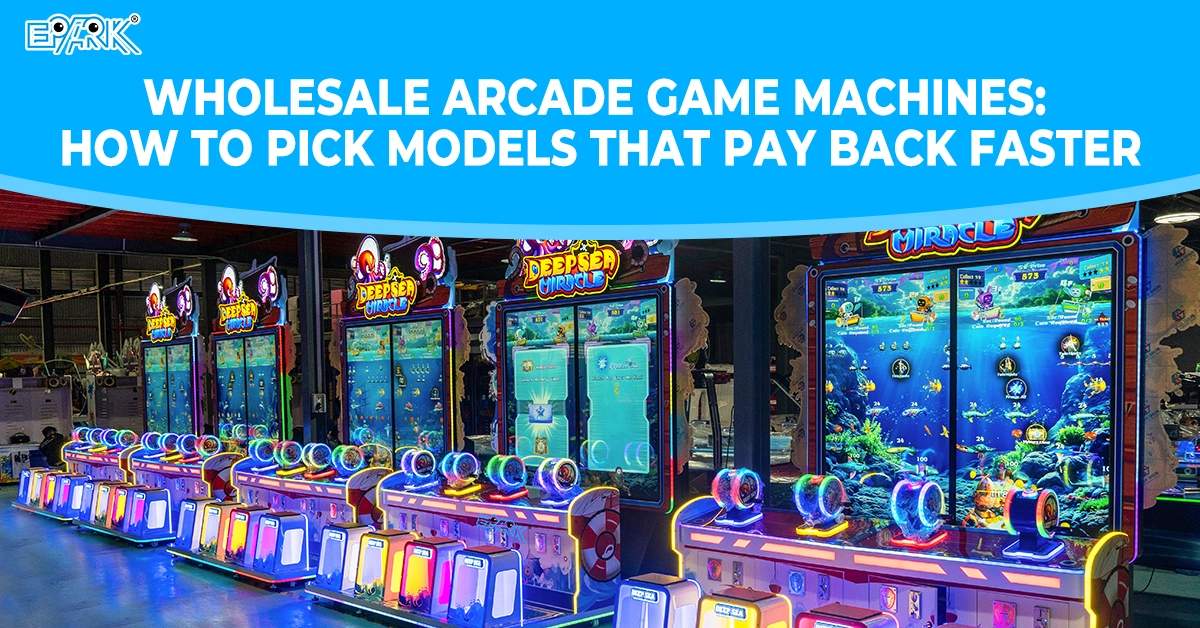
The arcade and family entertainment industry continues to evolve at a rapid pace. For B2B distributors, the stakes have never been higher. Selecting the right arcade game machines is no longer just about stocking the latest popular titles—it is about strategically building a portfolio that maximizes return on investment (ROI), minimizes operational risk, and strengthens client relationships.
Distributors face a dual challenge: balancing upfront capital expenditure with the speed of payback, and ensuring that the machines they supply meet diverse venue requirements. From malls and family entertainment centers (FECs) to bars and amusement parks, every venue type demands a different mix of gameplay, engagement level, and revenue potential. Understanding these dynamics is critical for distributors aiming to build a profitable arcade machine portfolio.
This guide will provide an in-depth look at how distributors can select high-performing arcade game machines, evaluate profitability, and build a portfolio that pays back faster while satisfying operator expectations.
Why ROI Matters in Wholesale Arcade Game Distribution
Return on investment (ROI) is the most crucial metric for distributors. In the arcade industry, ROI is determined not just by unit cost, but also by player engagement, machine durability, maintenance costs, and revenue per play. Machines with high visibility and consistent gameplay generate more repeat plays, which translates into faster payback and improved cash flow.
A strategic arcade portfolio ensures that distributors do not rely on a single machine type or trend. For example, redemption games may provide fast ROI due to frequent plays, while VR machines attract premium pricing for immersive experiences. By combining both, distributors can balance short-term gains with long-term profitability.
Failing to consider ROI often results in slow-moving inventory, reduced margins, and dissatisfied clients. Conversely, distributors who select machines based on payback potential are better positioned to secure long-term contracts, expand market share, and reinforce their reputation as a reliable supplier.
Key Factors to Consider When Choosing Arcade Game Machines
Popularity & Market Demand
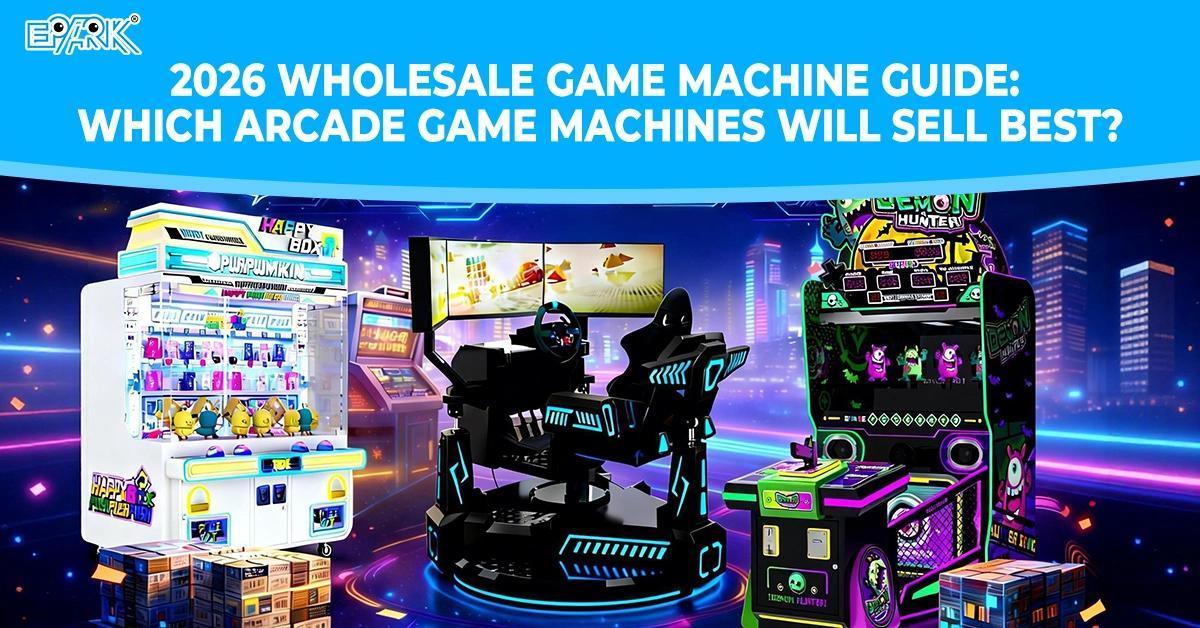
Distributors must evaluate which machines are most likely to attract players in the intended venue. Popularity can be measured through market research, trend analysis, and operator feedback. Classic arcade machines like claw games and ticket redemption machines remain consistently popular, while racing simulators and VR experiences appeal to more specialized demographics.
Understanding player demographics—such as age, skill level, and play frequency—helps distributors anticipate demand. For example, a mall-based FEC might favor family-friendly racing and redemption games, while bars and adult arcades may prefer competitive shooting and sports simulators.
By aligning machine selection with market demand, distributors can reduce the risk of slow turnover and ensure that each unit contributes to faster payback.
Profitability Metrics
Evaluating profitability requires more than observing popularity. Distributors need to estimate average revenue per play, daily usage, and ticket redemption ratios. These metrics help forecast payback periods and overall profitability for each machine.
| Machine Type | Average Play Price | Estimated Plays/Day | Estimated Daily Revenue | Payback Period (Months) |
|---|---|---|---|---|
| Redemption Game | $0.50 | 200 | $100 | 3–4 |
| Racing Simulator | $2.00 | 80 | $160 | 6–9 |
| Shooting Game | $1.50 | 100 | $150 | 5–7 |
| VR Arcade | $3.00 | 50 | $150 | 8–12 |
This table provides a simplified view of potential revenue and payback periods, helping distributors prioritize machines that combine high demand with quick ROI.
Durability & Maintenance
Machine reliability directly impacts profitability. Distributors should consider cabinet materials, electronic component quality, and mechanical durability. Machines constructed from high-density plywood, PVC leather, and steel frames tend to withstand long operating hours and high foot traffic.
Maintenance considerations include the availability of spare parts, ease of repair, and technical support from manufacturers. Downtime reduces revenue and can damage client relationships. Distributors offering machines with proven durability and strong after-sales support will be seen as more professional and trustworthy.
Customization & Adaptability
Customization can significantly enhance machine appeal and ROI. Options include branding, artwork, language localization, and voltage compatibility. For international markets, machines that accommodate regional electrical standards and multilingual instructions reduce installation challenges.
Adaptable machines also allow operators to update gameplay or integrate software upgrades, keeping the experience fresh for repeat players. Distributors providing customizable machines gain a competitive advantage by offering solutions tailored to specific market needs.
High-ROI Arcade Game Machine Categories
Redemption & Prize Games
Redemption machines remain the backbone of most arcade portfolios. Frequent, repeatable play ensures fast revenue generation and predictable ROI. Machines such as ticket redemption games, claw machines, and skill-based games appeal to a wide demographic, including children and families.
For distributors, redemption games are low-risk, high-turnover products that establish relationships with new operators. Once trust is built, distributors can upsell mid-range or premium machines.
Racing & Motion Simulators
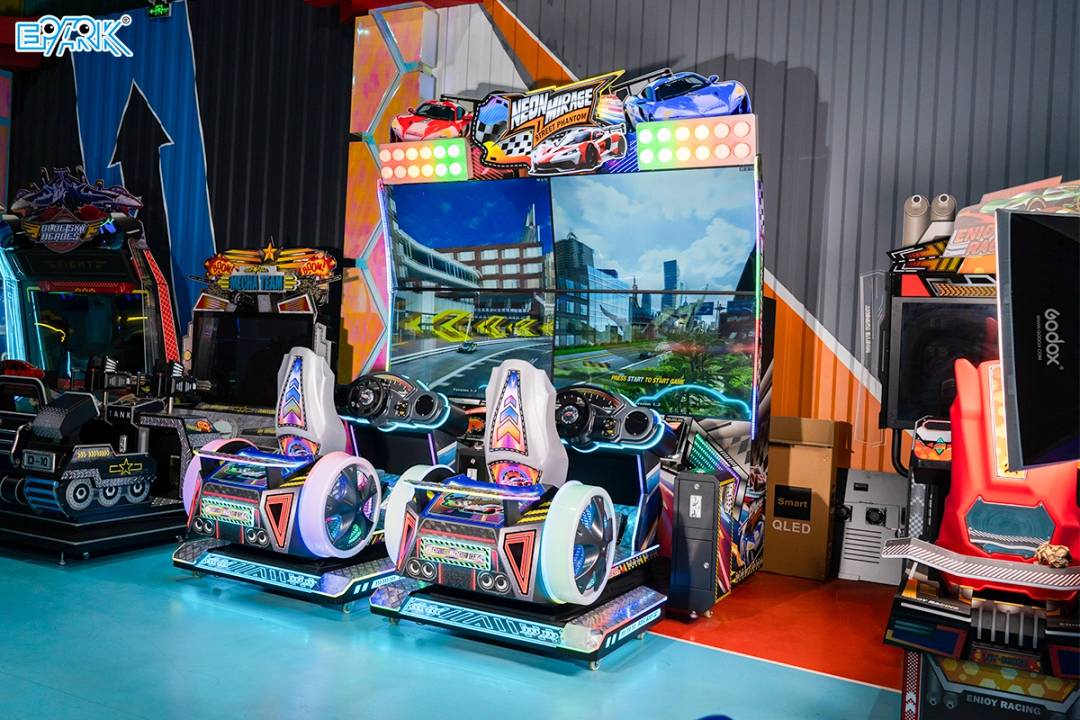
Racing machines and motion simulators combine visual impact with competitive gameplay. These machines often include multiplayer capabilities, motion seats, and realistic controls, which increase engagement and dwell time.
Racing games are particularly effective in malls and FECs because they attract crowds and encourage repeat play. While the initial investment is higher than redemption machines, their visibility and high engagement justify the cost, offering strong mid-term ROI.
Shooting Game Machines
Shooting game machines cater primarily to teenagers and adults seeking skill-based, competitive gameplay. With features like leaderboards and multiplayer modes, these machines encourage repeat visits and sustained revenue streams.
Durability and accuracy of sensors are critical. Machines that fail frequently or offer inconsistent gameplay can undermine ROI and client trust. Distributors should prioritize shooting games with tested control systems, high-quality displays, and rugged construction.
VR Arcade Machines
Virtual reality arcade machines represent the premium end of the market. They deliver immersive experiences that justify higher per-play pricing and differentiate venues from competitors.
Examples include motion-based VR pods, multiplayer shooting VR systems, and interactive VR rides. While initial costs are higher and payback periods longer, VR machines attract higher-spending customers and can enhance the reputation of the venue, indirectly boosting other revenue streams.
Distributors handling VR machines need to account for software updates, motion platform maintenance, and operator training. Partnering with experienced VR manufacturers ensures smoother deployment and faster ROI.
How to Build a Balanced Machine Portfolio for Fast ROI
A balanced arcade machine portfolio combines fast-selling units, mid-range attractions, and premium experiences. This ensures steady cash flow while offering high-value options for operators with larger budgets.
Portfolio composition may include:
-
40% redemption games for high turnover
-
30% racing and shooting machines for mid-term ROI
-
20% VR or motion simulators for premium, differentiated offerings
-
10% experimental or niche machines to test market trends
Balancing categories also allows distributors to target multiple venue types simultaneously, from family-focused FECs to adult-oriented entertainment zones. Bulk orders, package deals, and project-based sales can further improve cash flow and profitability.
Supplier Selection and Support Considerations
Partnering with the right manufacturer is as important as selecting the right machine. Reliable suppliers provide quality assurance, spare parts availability, technical support, and warranty coverage.
For example, distributors sourcing VR machines from a manufacturer with integrated software support and global parts availability will minimize downtime and enhance operator satisfaction. Supplier reliability directly affects ROI, as broken machines or delayed parts can significantly extend payback periods.
Long-term supplier relationships also allow distributors to access exclusive models, early releases, and project-level customization, strengthening their competitive advantage.
Conclusion
Selecting arcade game machines for wholesale distribution is a strategic exercise. High ROI is achieved not by following trends blindly, but by analyzing market demand, evaluating profitability, ensuring durability, and partnering with trustworthy suppliers.
A well-curated portfolio balances redemption games for fast payback, racing and shooting machines for mid-range engagement, and VR systems for premium differentiation. Distributors who apply these principles are better positioned to attract clients, reduce inventory risk, and achieve faster returns on investment.

Disclaimer
The information provided on this website is for general informational purposes only.
While EPARK Arcade Game Machine Manufacturer strives to ensure accuracy and reliability, no warranties—express or implied—are made regarding completeness, performance, or applicability.
Product specifications, designs, and features may vary depending on usage, customization, and customer requirements.
Buyers are responsible for verifying all technical details, compliance certifications, and suitability before procurement.
EPARK shall not be held liable for any direct, indirect, incidental, or consequential damages arising from the use of this website or its content, including but not limited to business losses, data errors, or equipment misuse.
For tailored solutions or further verification, please visit our Contact Us
Intellectual Property Notice
All articles, product images, videos, catalogs, software, and related materials published on this website are the intellectual property of EPARK, unless otherwise stated.
Unauthorized reproduction, distribution, modification, or commercial use of any content is strictly prohibited without prior written consent from EPARK.
EPARK reserves the right to take legal action against any unauthorized use, including but not limited to copyright infringement, misrepresentation, or unfair competition.
Trademarks
The name EPARK, the EPARK logo, and all related brand elements displayed on this website are registered trademarks or trade names of Guangzhou EPARK Electronic Technology Co., Ltd.
Other product names, company names, or logos mentioned on this site may be trademarks of their respective owners.
Unauthorized use of EPARK's trademarks for commercial purposes, including advertising, promotions, or product packaging, is strictly prohibited.
Governing Law
These terms are governed by the laws of the People's Republic of China.