
The global arcade and amusement equipment industry is undergoing a structural transformation. Once driven primarily by traditional coin-operated cabinets, today’s market is increasingly shaped by immersive technology, data intelligence, and project-based purchasing models. For B2B game machine distributors, wholesalers, and regional agents, keeping pace with these changes is no longer a matter of innovation alone—it is essential for long-term survival and profitability.
Buyers such as Family Entertainment Centers (FECs), theme parks, shopping malls, and mixed-use entertainment venues now demand more than standalone machines. They expect measurable return on investment (ROI), reliable after-sales support, and scalable solutions that can evolve with consumer behavior. As a result, distributors must adapt their sourcing strategies, supplier evaluation criteria, and product portfolios.
This article provides a comprehensive analysis of the most important B2B game machine trends shaping the industry in 2025 and beyond. It also offers practical guidance on how distributors can select the right game machine suppliers, reduce procurement risk, and position themselves ahead of competitors in an increasingly crowded market.
The Current Landscape of the B2B Game Machine Market
The global coin-operated and arcade game machine market continues to grow steadily, driven by post-pandemic recovery in offline entertainment and rising consumer demand for experiential leisure. According to industry estimates, the global arcade market is expected to maintain a compound annual growth rate (CAGR) of 6–8% through 2028, with Asia, the Middle East, and emerging European markets leading expansion.
One notable shift is the rise of location-based entertainment (LBE) projects. Rather than purchasing single machines, many buyers now invest in complete zones or themed areas, requiring integrated planning, machine compatibility, and centralized management systems. This has elevated the role of distributors from simple resellers to solution providers.
At the same time, competition among game machine suppliers has intensified. Manufacturers are differentiating themselves through proprietary technology, faster customization, and stronger after-sales support. For distributors, understanding these structural changes is critical to selecting partners that can support sustainable growth.
Key B2B Game Machine Trends Distributors Must Watch
Immersive Technology Is Driving Higher ROI
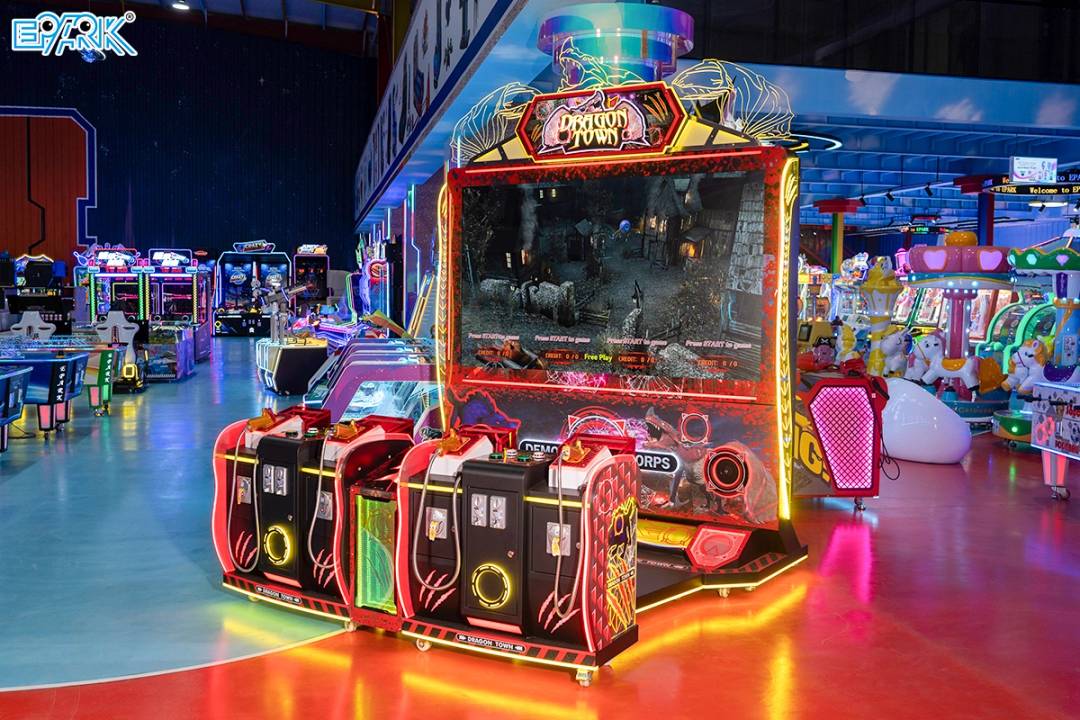
Immersive arcade technology has become one of the strongest growth engines in the B2B game machine market. VR, AR, MR, and motion simulation systems are no longer niche products; they are now core revenue drivers for modern entertainment venues. These machines offer higher ticket prices, longer play sessions, and stronger social media appeal compared to traditional arcade cabinets.
From a distributor’s perspective, immersive machines deliver clear financial advantages. Operators consistently report 20–40% higher per-play revenue from VR shooting games, racing simulators, and interactive motion platforms. Additionally, immersive experiences increase repeat visits, as content updates and multiplayer modes encourage ongoing engagement.
However, immersive technology also raises the bar for supplier selection. Distributors must ensure that manufacturers provide stable hardware, certified safety systems, and continuous software updates. Without these elements, high-end machines can quickly become liabilities instead of assets.
Customization Becomes a B2B Differentiator
Customization has shifted from a premium option to a baseline expectation in B2B procurement. Buyers increasingly request custom game machines for business that reflect local culture, brand identity, or specific target demographics. This includes cabinet design, lighting effects, language localization, and gameplay themes.
For distributors, offering customized solutions creates stronger differentiation and higher margins. Custom machines are harder to price-compare and often lead to long-term supplier relationships. In addition, flexible payment systems—such as coin-op, card-based, QR code, and mobile wallet integration—allow venues to adapt quickly to regional consumer preferences.
A reliable game machine supplier should support OEM and ODM services with reasonable lead times and transparent cost structures. Distributors that master customization workflows are better positioned to win large projects and repeat orders.
Smart Arcade Machines and IoT Integration
Smart technology and IoT analytics are redefining how arcade machines are managed and monetized. Modern game machines increasingly include network connectivity, allowing operators to track performance metrics in real time. This data-driven approach enables more informed business decisions and operational efficiency.
Key benefits of IoT-enabled arcade machines include:
-
Remote revenue monitoring and reporting
-
Real-time fault detection and maintenance alerts
-
Player behavior analysis and content optimization
For distributors, IoT integration adds measurable value to product offerings. It also supports stronger post-sale relationships, as operators rely on ongoing technical support and system optimization. Importantly, data transparency helps distributors demonstrate ROI to buyers, strengthening trust and credibility.
How Distributors Can Choose the Right Game Machine Supplier
Comparing Supplier Countries and Manufacturing Strengths
Choosing the right supplier often starts with understanding regional manufacturing capabilities. Different supplier countries offer distinct advantages and trade-offs in cost, innovation, and reliability.
| Supplier Region | Key Strengths | Limitations | Best Fit for |
|---|---|---|---|
| China | Cost efficiency, customization, large-scale production | Quality varies by factory | Distributors, wholesalers, large projects |
| Japan | Gameplay design, IP content, reliability | High cost, limited customization | Premium arcades, brand-driven venues |
| Europe | Safety standards, mechanical engineering | Longer lead times, higher prices | Theme parks, compliance-heavy markets |
| Emerging Asia | Competitive pricing, growing capacity | Limited R&D experience | Entry-level markets |
For most B2B distributors, Chinese manufacturers with strong R&D and ISO-certified factories offer the best balance of price, scalability, and customization. However, due diligence is essential to avoid quality and delivery risks.
What to Look for in a Reliable B2B Game Machine Supplier
A professional B2B game machine supplier should be evaluated across multiple dimensions, not just pricing. Distributors should prioritize suppliers that demonstrate long-term stability and technical competence.
Key evaluation criteria include:
-
Factory scale and production capacity
-
R&D investment and proprietary technology
-
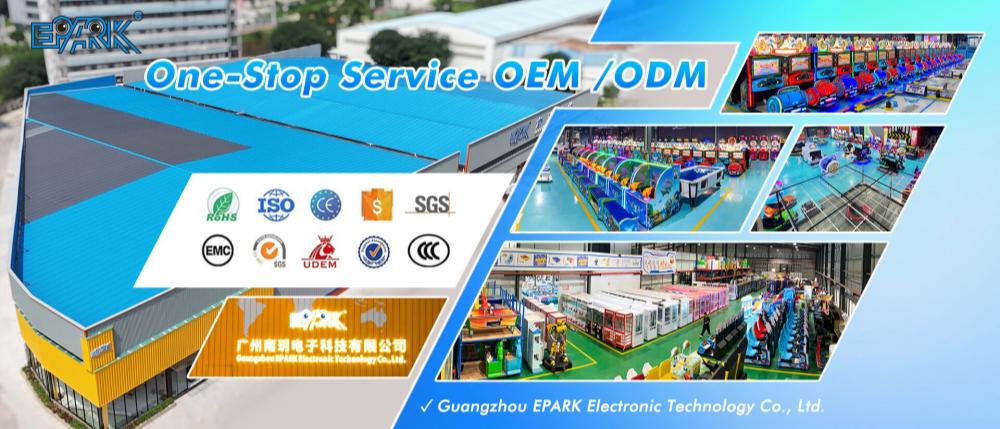
International certifications (ISO, CE, RoHS)
-
Customization and OEM/ODM capability
-
After-sales support and spare parts availability
Equally important is communication efficiency. Suppliers that provide clear documentation, installation guidance, and technical training significantly reduce post-sale issues and operational costs.
Procurement Strategy: Reducing Risk and Improving Profitability
Wholesale and Bulk Purchasing Best Practices
Wholesale purchasing remains one of the most effective ways for distributors to improve margins. However, bulk procurement requires careful planning to avoid inventory risk. Successful distributors balance classic arcade machines with emerging technology models to maintain both stability and growth.
Best practices include:
-
Analyzing historical sales data to optimize product mix
-
Negotiating tiered pricing based on volume commitments
-
Aligning MOQ requirements with market demand
Distributors should also consider modular machine platforms, which allow cabinet reuse and content upgrades. This approach reduces long-term inventory depreciation and increases flexibility.
Project-Based Solutions for Large Buyers
Large-scale buyers increasingly prefer turnkey arcade solutions rather than individual machine purchases. These projects often include site planning, layout design, machine selection, installation, and operational training.
For distributors, project-based sales offer higher order values and stronger client retention. However, they also require close coordination with suppliers capable of providing end-to-end support. A one-stop supplier reduces project risk and shortens delivery timelines.
Turnkey projects are particularly attractive in malls, theme parks, and resort developments, where consistency, safety compliance, and visual impact are critical success factors.
How EPARK Supports Distributors in a Changing Market
EPARK operates as a global game machine supplier with a strong focus on B2B partnerships. With integrated R&D, smart manufacturing, and a comprehensive product portfolio, EPARK supports distributors across multiple market segments.
Key advantages include:
-
Advanced production facilities with stable output capacity
-
VR, motion simulation, and smart arcade machine development
-
Custom arcade design and branding support
-
Fast international delivery and technical after-sales service
EPARK’s experience in project-based solutions makes it an ideal partner for distributors targeting FECs, malls, and theme parks. By combining technology, customization, and reliability, EPARK helps distributors scale efficiently while minimizing operational risk.
Conclusion
The B2B game machine industry is evolving toward smarter, more immersive, and more integrated solutions. Distributors who understand these trends—and adapt accordingly—gain a decisive competitive advantage. Immersive technology, customization, and IoT analytics are no longer optional features; they are core drivers of ROI and buyer satisfaction.
At the same time, supplier selection has become a strategic decision with long-term implications. Choosing a reliable game machine supplier that offers stable manufacturing, technical expertise, and strong after-sales support is essential for sustainable growth.
By aligning procurement strategies with market trends and partnering with experienced manufacturers, distributors can reduce risk, increase profitability, and stay ahead in the fast-changing coin-op and arcade market.

Disclaimer
The information provided on this website is for general informational purposes only.
While EPARK Arcade Game Machine Manufacturer strives to ensure accuracy and reliability, no warranties—express or implied—are made regarding completeness, performance, or applicability.
Product specifications, designs, and features may vary depending on usage, customization, and customer requirements.
Buyers are responsible for verifying all technical details, compliance certifications, and suitability before procurement.
EPARK shall not be held liable for any direct, indirect, incidental, or consequential damages arising from the use of this website or its content, including but not limited to business losses, data errors, or equipment misuse.
For tailored solutions or further verification, please visit our Contact Us
Intellectual Property Notice
All articles, product images, videos, catalogs, software, and related materials published on this website are the intellectual property of EPARK, unless otherwise stated.
Unauthorized reproduction, distribution, modification, or commercial use of any content is strictly prohibited without prior written consent from EPARK.
EPARK reserves the right to take legal action against any unauthorized use, including but not limited to copyright infringement, misrepresentation, or unfair competition.
Trademarks
The name EPARK, the EPARK logo, and all related brand elements displayed on this website are registered trademarks or trade names of Guangzhou EPARK Electronic Technology Co., Ltd.
Other product names, company names, or logos mentioned on this site may be trademarks of their respective owners.
Unauthorized use of EPARK's trademarks for commercial purposes, including advertising, promotions, or product packaging, is strictly prohibited.
Governing Law
These terms are governed by the laws of the People's Republic of China.