
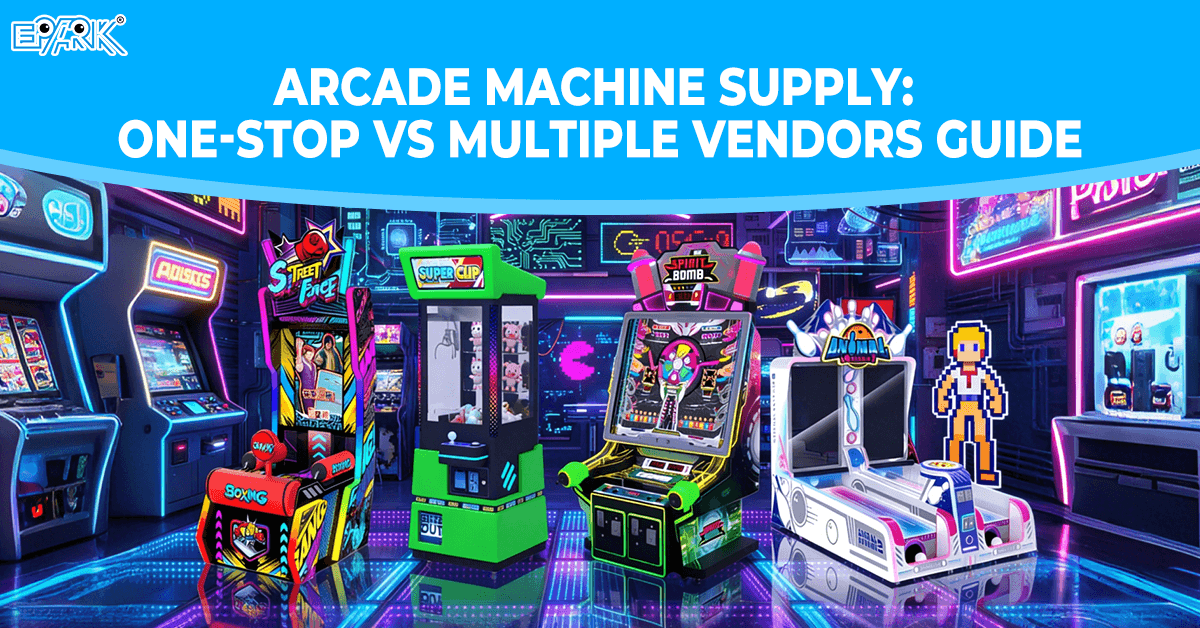
Introduction
Launching or upgrading an arcade, family entertainment center (FEC), or indoor amusement venue involves far more than simply purchasing a few game machines. For investors and operators, one of the most critical decisions is how to source the equipment that will power the entertainment experience and generate long-term revenue. The procurement model you choose directly affects project efficiency, operational costs, machine compatibility, maintenance management, and overall profitability.
In the amusement industry, venue owners generally adopt one of two equipment sourcing strategies: one-stop arcade supply or multiple vendor sourcing. A one-stop solution allows operators to purchase all equipment and services from a single supplier, while the multiple vendor model involves sourcing different types of machines from specialized manufacturers.
Both approaches have advantages and potential drawbacks. Some operators prioritize efficiency, integrated services, and simplified maintenance, while others value flexibility, unique attractions, and specialized products.
This article provides a comprehensive comparison of one-stop arcade supply vs. multiple vendors, helping B2B buyers, arcade operators, and entertainment investors understand which procurement model best fits their venue size, business strategy, and operational capabilities.
Understanding Arcade Equipment Procurement Models
What Is a One-Stop Arcade Supply Model?
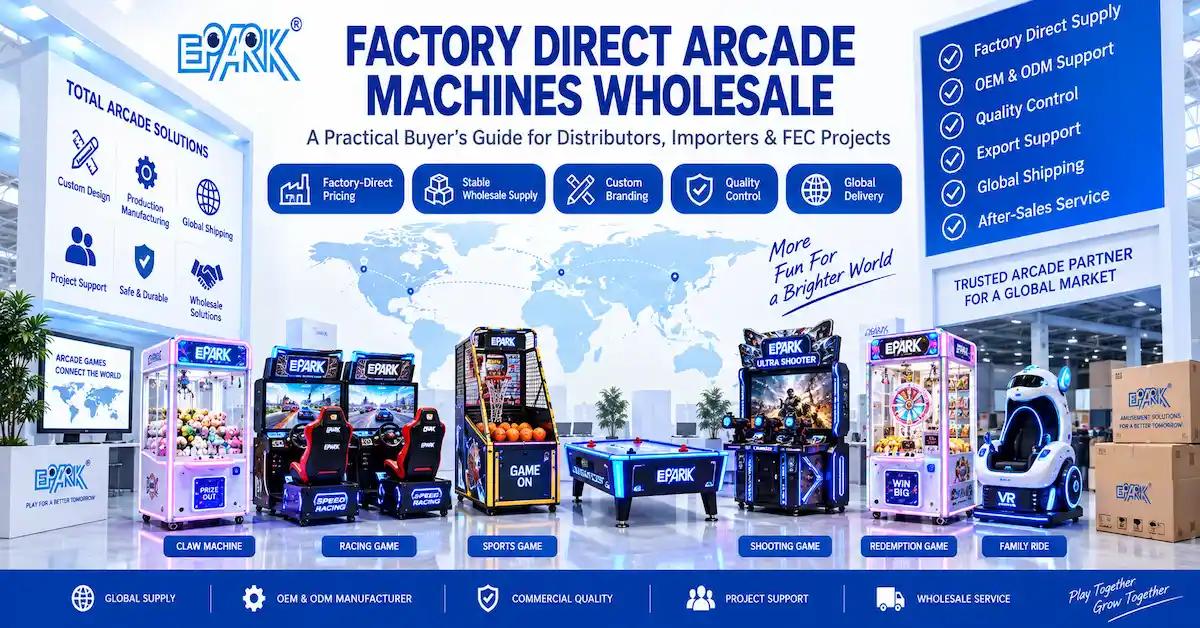
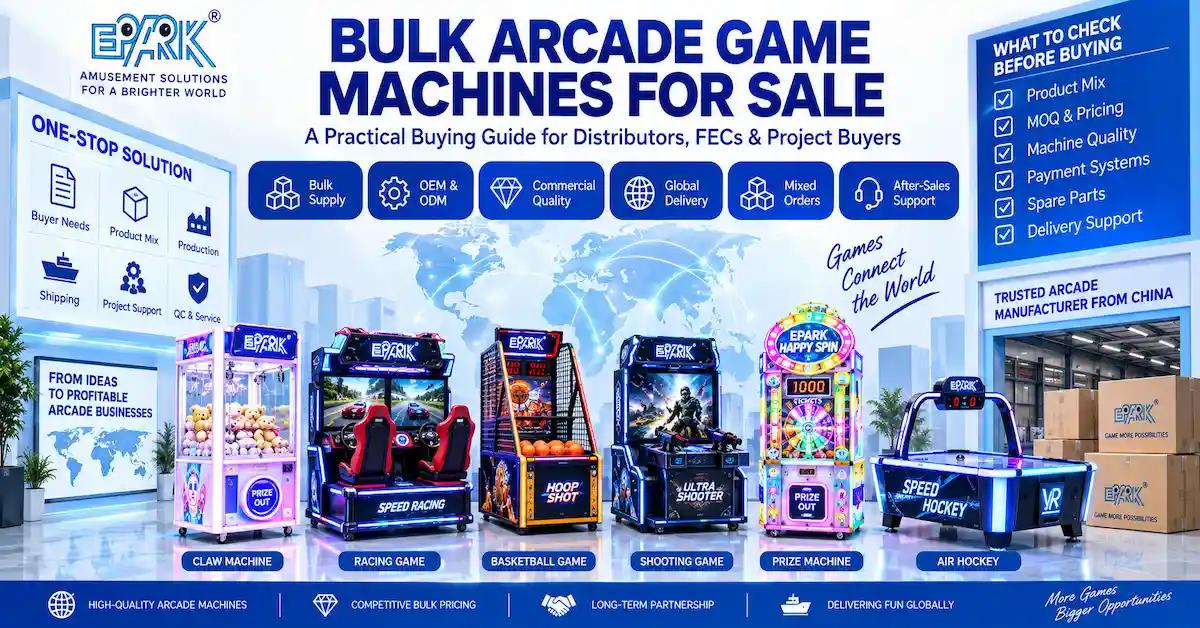
A one-stop arcade supply model refers to sourcing all arcade equipment and related services from a single manufacturer or integrated supplier. This model is increasingly popular among new arcade investors and large entertainment venues because it simplifies procurement and project management.
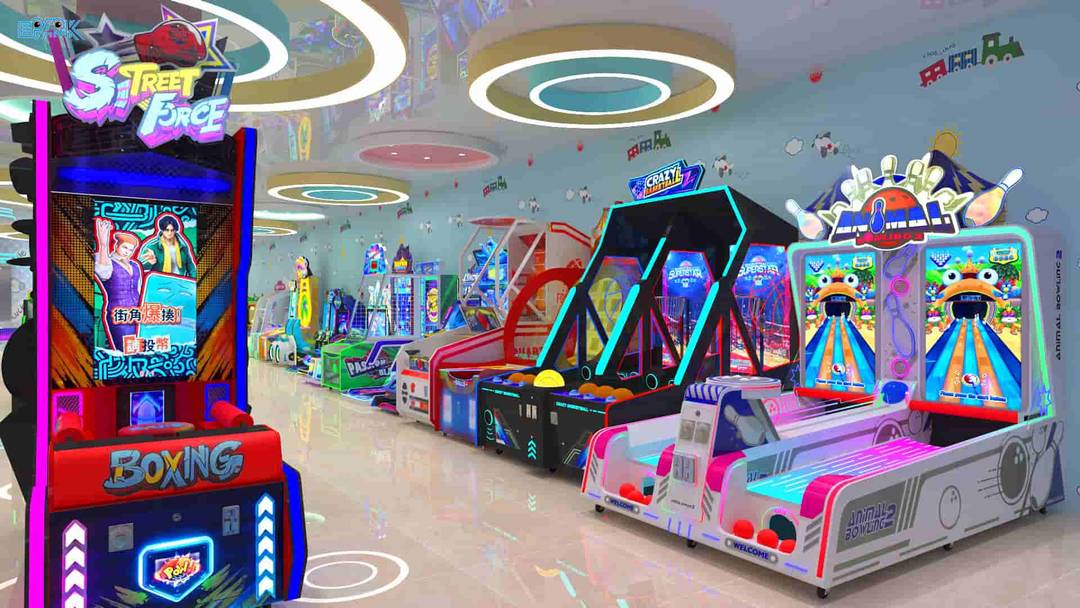
A typical one-stop arcade supplier offers a wide range of products and services, including:
-
Redemption game machines
-
Claw machines and prize machines
-
Racing and sports simulators
-
Shooting arcade games
-
Dance and rhythm machines
-
VR simulators
-
Kiddie rides and children’s attractions
-
Arcade venue layout planning
-
Shipping, installation, and technical support
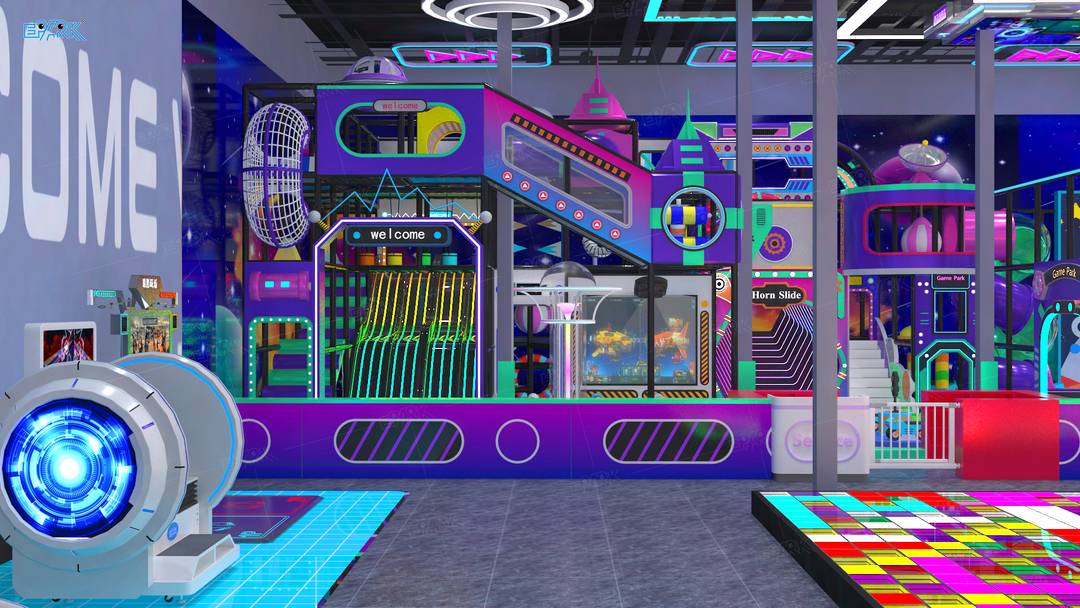
Beyond equipment supply, many manufacturers also provide turnkey project services, which may include venue design consultation, power system planning, equipment zoning, and operational guidance.
This integrated approach allows operators to manage the entire project through one central point of contact, reducing communication complexity and accelerating project timelines.
What Is the Multiple Vendors Model?
The multiple vendors model involves purchasing arcade machines from several different suppliers or manufacturers. Each supplier may specialize in a specific category of amusement equipment.
For example:
-
Supplier A: racing arcade machines
-
Supplier B: claw machines and prize games
-
Supplier C: VR simulators
-
Supplier D: kiddie rides
This model allows operators to select the best machine from each category, potentially creating a more unique or diverse gaming environment.
However, it also introduces additional complexity. Venue owners must manage communication with multiple suppliers, coordinate logistics and shipping schedules, and ensure that machines from different manufacturers can operate smoothly within the same environment.
While experienced operators may handle this process efficiently, first-time investors often find the coordination challenging.
 Key Differences Between One-Stop Supply and Multiple Vendors
Procurement Efficiency and Project Management
Procurement efficiency is one of the most significant differences between the two models. When working with a one-stop supplier, venue owners only need to communicate with a single partner for equipment selection, project scheduling, and logistics.
This centralized approach offers several operational advantages:
-
Faster quotation and contract processes
-
Coordinated shipping schedules
-
Simplified import documentation
-
Unified installation planning
In contrast, the multiple vendor model requires communication with several suppliers, each with their own pricing structures, production timelines, and logistics arrangements. This often increases the administrative workload and can lead to project delays if coordination is not managed carefully.
The following comparison illustrates the operational differences.
| Factor | One-Stop Arcade Supply | Multiple Vendors |
|---|---|---|
| Communication | Single contact point | Multiple contacts |
| Project coordination | Centralized | Fragmented |
| Procurement timeline | Faster | Potentially slower |
| Logistics complexity | Lower | Higher |
For projects with tight opening deadlines, the one-stop model typically offers greater operational efficiency.
Equipment Compatibility and Venue Planning
Arcade venues require careful layout planning to ensure optimal traffic flow, machine visibility, and electrical safety. Equipment compatibility is therefore a critical factor during procurement.
One-stop suppliers often provide professional layout design services based on venue size and customer flow patterns. Machines supplied by the same manufacturer typically share consistent standards, including:
-
Electrical requirements (110V / 220V compatibility)
-
Power consumption ranges
-
Cabinet dimensions
-
Software communication protocols
For example, typical arcade machine power requirements fall within the following ranges:
| Machine Type | Average Power Consumption |
|---|---|
| Claw machine | 150–200 W |
| Redemption game | 200–400 W |
| Racing simulator | 500–800 W |
| VR simulator | 800–1200 W |
When machines are sourced from a single supplier, it becomes easier to optimize power distribution and floor space usage.
Under the multiple vendor model, operators must manually coordinate these technical details. Differences in cabinet size, visual style, or voltage requirements may complicate installation or require additional electrical adjustments.
Cost Structure and Budget Control
Budget management is another important consideration when choosing a procurement model.
One-stop arcade suppliers often provide bulk purchasing discounts because customers order multiple machines in a single transaction. Consolidated shipping also reduces freight costs, particularly for international buyers importing large equipment.
Typical cost advantages include:
-
Volume-based price reductions
-
Consolidated container shipping
-
Lower installation coordination costs
However, the multiple vendor model allows operators to compare pricing across different manufacturers. This can be beneficial when searching for the lowest price for specific machine types.
That said, cost savings from price comparisons may be offset by additional expenses such as:
-
Separate international shipments
-
Multiple customs clearances
-
Independent installation teams
-
Higher logistics coordination costs
As a result, the overall cost difference between the two models is not always obvious at first glance.
After-Sales Support and Maintenance
Maintenance and technical support play a major role in long-term arcade profitability. Machines that remain out of service due to technical issues can quickly reduce daily revenue.
A one-stop arcade supplier provides centralized after-sales service, which simplifies troubleshooting and spare parts procurement. Operators only need to contact one technical support team when issues arise.
Common after-sales services include:
-
Remote technical assistance
-
Spare parts supply
-
Software updates
-
Maintenance guidance
This unified support structure can significantly reduce machine downtime.
With the multiple vendors model, each machine type may come with a different warranty policy and service process. Operators must track multiple support contacts and source spare parts from different manufacturers.
This fragmented system can increase maintenance complexity and may lead to longer repair times.
Product Variety and Customization
Product diversity is an important factor when building an engaging arcade environment. Operators often want to create a mix of experiences that appeal to different customer groups.
One-stop suppliers typically offer complete arcade product lines, covering major game categories such as:
-
Sports arcade games
-
Shooting games
-
Redemption prize machines
-
VR simulators
-
Kiddie rides
Some manufacturers also offer customization services, including:
-
Venue branding on machine cabinets
-
Customized LED lighting designs
-
Themed machines that match venue decoration
However, specialized or niche games may not always be available from a single supplier.
The multiple vendor model gives operators access to unique or exclusive machines developed by specialized manufacturers. This can help venues differentiate themselves from competitors and attract repeat customers.
 Which Model Is Best for Different Types of Venues?
Best Choice for New Arcade Investors
For entrepreneurs launching their first arcade or family entertainment center, the one-stop supply model is generally the safest option.
New investors often lack experience in equipment selection, layout planning, and maintenance management. A single supplier can provide professional guidance throughout the project, including:
-
Venue zoning recommendations
-
Machine mix planning
-
Installation supervision
-
Operational advice
This significantly reduces the risk of costly mistakes during the early stages of the business.
Best for Large Family Entertainment Centers
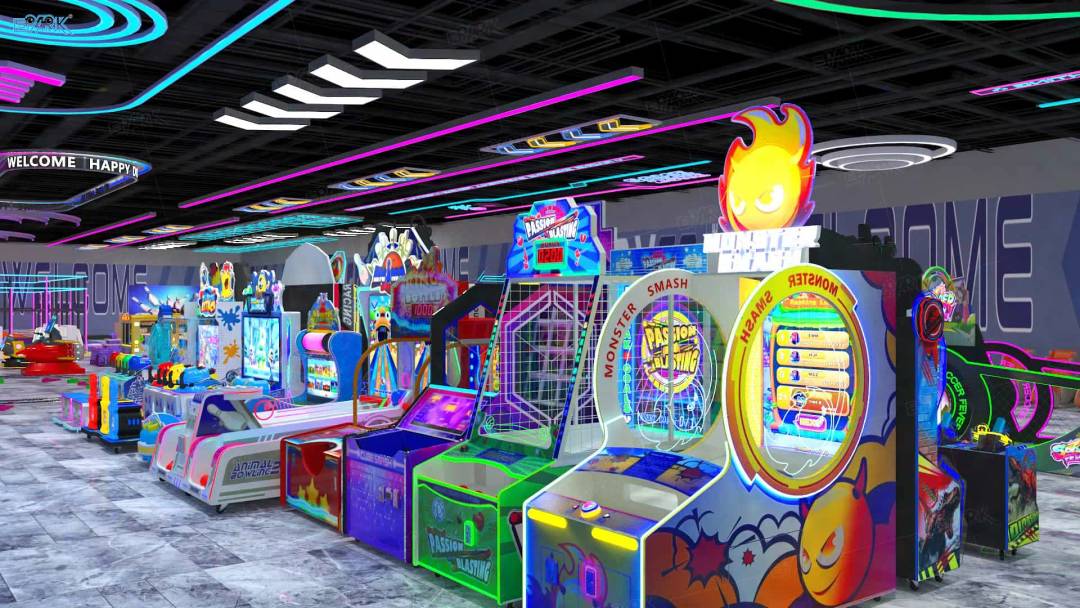
Large entertainment venues with floor areas exceeding 500–1000 square meters often require dozens or even hundreds of machines. These projects benefit from efficient procurement and professional planning.
Many FEC operators adopt a hybrid strategy:
-
Core machines from a one-stop supplier
-
Specialty attractions sourced from niche manufacturers
This approach combines the operational efficiency of centralized procurement with the flexibility of unique attractions.
Best for Experienced Arcade Operators
Experienced operators with strong industry knowledge may prefer the multiple vendor model. They often have established relationships with various manufacturers and understand which machines deliver the highest return on investment.
These operators can carefully curate their machine lineup based on:
-
Player behavior data
-
Revenue performance by machine type
-
Market trends in arcade entertainment
By sourcing machines individually, experienced operators can create highly optimized gaming environments.
 Factors to Consider Before Choosing a Procurement Model
Before selecting a procurement strategy, venue owners should evaluate several practical factors.
Venue Size
Larger venues require more equipment and benefit from coordinated logistics. One-stop suppliers can efficiently handle large equipment orders.
Opening Timeline
If the venue has a strict opening schedule, centralized procurement helps avoid delays caused by multi-supplier coordination.
Technical Support Resources
Operators without in-house technicians should prioritize suppliers with strong after-sales service systems.
Budget Strategy
While multiple vendors may offer price flexibility, operators should carefully calculate total project costs, including shipping and installation.
Long-Term Expansion Plans
Businesses planning to expand into multiple locations may benefit from building long-term partnerships with reliable suppliers who can support future projects.
 Conclusion
Choosing between one-stop arcade supply and multiple vendor sourcing is a strategic decision that can significantly influence the success of an arcade or entertainment venue.
A one-stop arcade supply model offers clear advantages in procurement efficiency, project coordination, equipment compatibility, and centralized maintenance support. This approach is particularly beneficial for new investors, fast-launch projects, and venues seeking simplified operations.
The multiple vendors model, on the other hand, provides greater flexibility in equipment selection and allows operators to introduce specialized or unique machines that enhance customer experience.
Ultimately, the best procurement strategy depends on several factors, including venue size, operational experience, budget structure, and long-term business goals. By carefully evaluating these considerations, venue owners can choose the model that best supports sustainable growth and long-term profitability.
Start Building Your Arcade with the Right Equipment Strategy
Planning to open a new arcade or upgrade your existing venue?
Choosing the right equipment sourcing model is the first step toward building a successful entertainment business. Whether you are looking for a complete one-stop arcade solution or expert advice on selecting the most profitable machines, professional guidance can help you avoid costly mistakes.
Contact our team today to receive:
-
Professional arcade venue layout planning
-
Customized machine recommendations
-
Competitive factory pricing
-
Global shipping and installation support
Send us your project requirements and start building a profitable arcade venue today.
Disclaimer
The information provided on this website is for general informational purposes only.
While EPARK Arcade Game Machine Manufacturer strives to ensure accuracy and reliability, no warranties—express or implied—are made regarding completeness, performance, or applicability.
Product specifications, designs, and features may vary depending on usage, customization, and customer requirements.
Buyers are responsible for verifying all technical details, compliance certifications, and suitability before procurement.
EPARK shall not be held liable for any direct, indirect, incidental, or consequential damages arising from the use of this website or its content, including but not limited to business losses, data errors, or equipment misuse.
For tailored solutions or further verification, please visit our Contact Us
Intellectual Property Notice
All articles, product images, videos, catalogs, software, and related materials published on this website are the intellectual property of EPARK, unless otherwise stated.
Unauthorized reproduction, distribution, modification, or commercial use of any content is strictly prohibited without prior written consent from EPARK.
EPARK reserves the right to take legal action against any unauthorized use, including but not limited to copyright infringement, misrepresentation, or unfair competition.
Trademarks
The name EPARK, the EPARK logo, and all related brand elements displayed on this website are registered trademarks or trade names of Guangzhou EPARK Electronic Technology Co., Ltd.
Other product names, company names, or logos mentioned on this site may be trademarks of their respective owners.
Unauthorized use of EPARK's trademarks for commercial purposes, including advertising, promotions, or product packaging, is strictly prohibited.
Governing Law
These terms are governed by the laws of the People's Republic of China.