
Arcade Layout Design Service: Practical Layout Planning for Different Arcade and FEC Sizes
Why Arcade Layout Determines Which Machines Actually Perform
In real-world arcade operations, machines rarely fail because they are outdated or unpopular.
They fail because players do not naturally encounter them.
Operators often notice the same pattern: a few machines stay busy, while others—sometimes equally capable—remain underused. This imbalance is rarely a product issue. It is a layout issue.
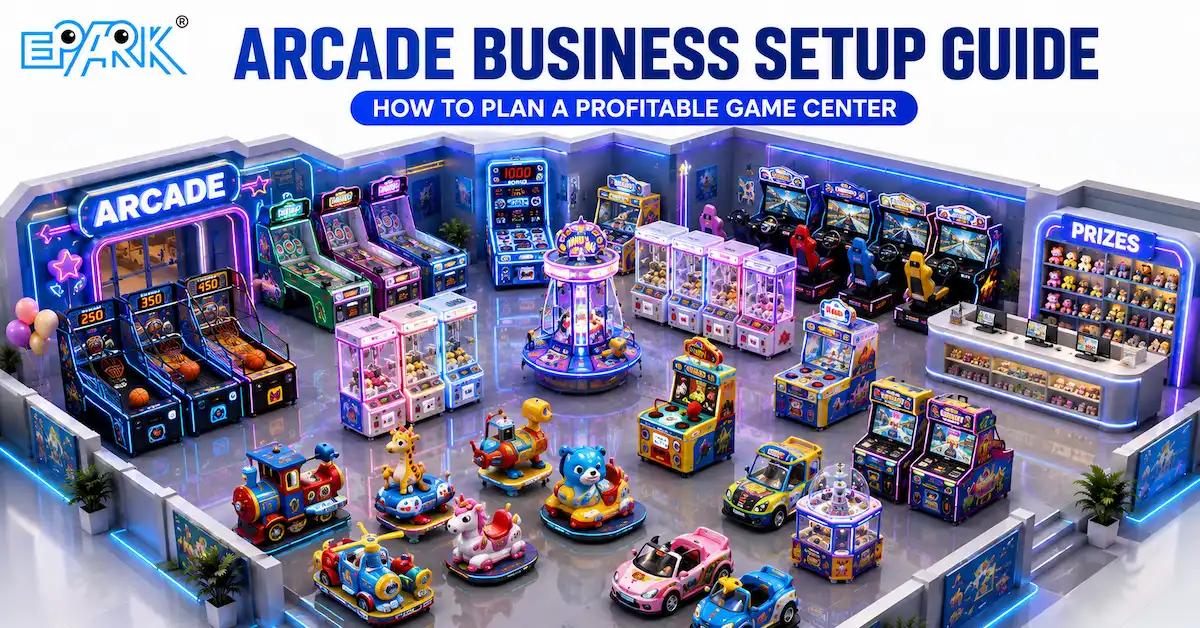
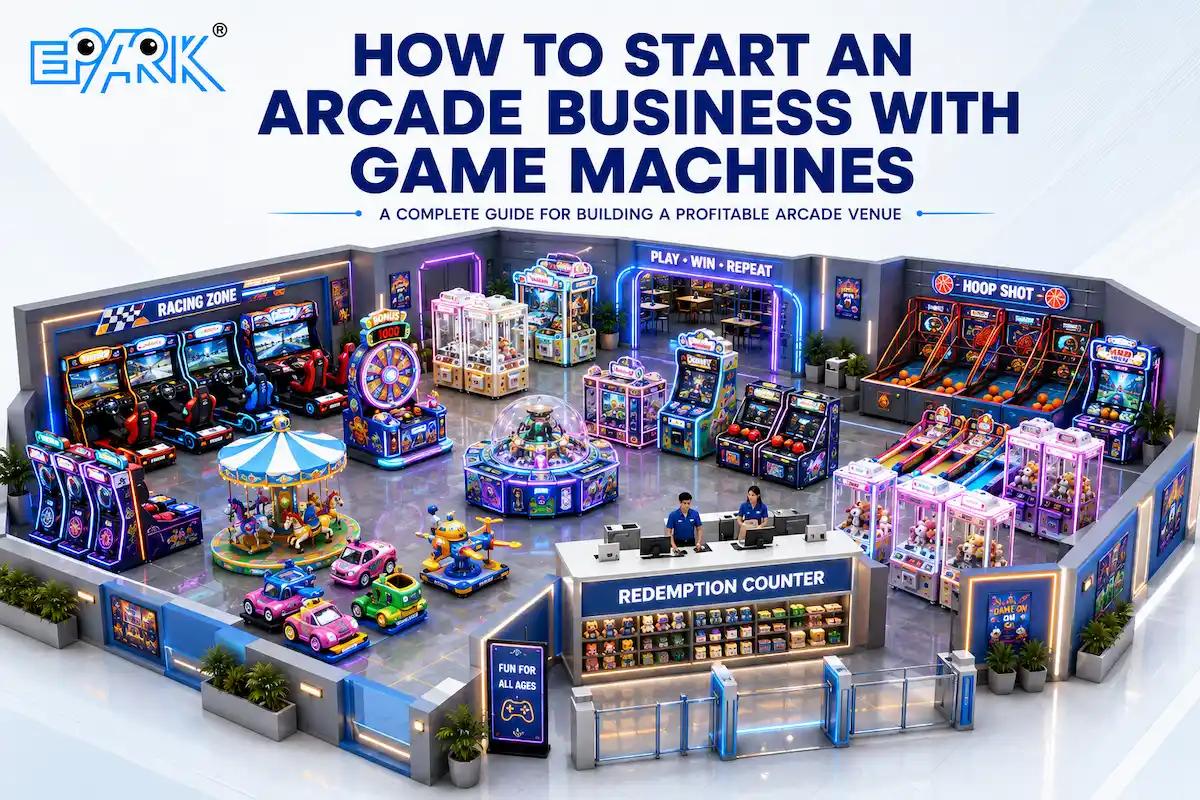
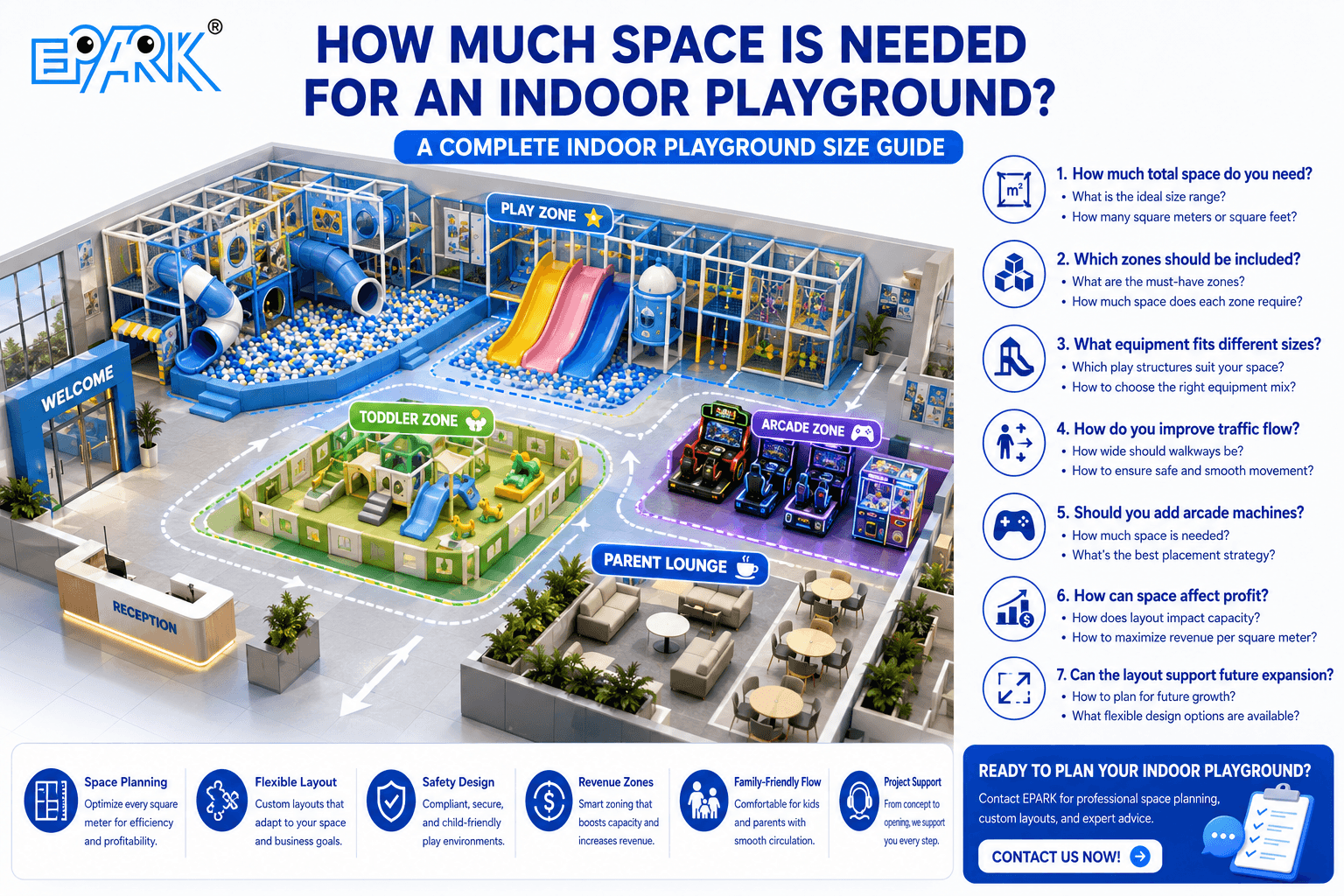
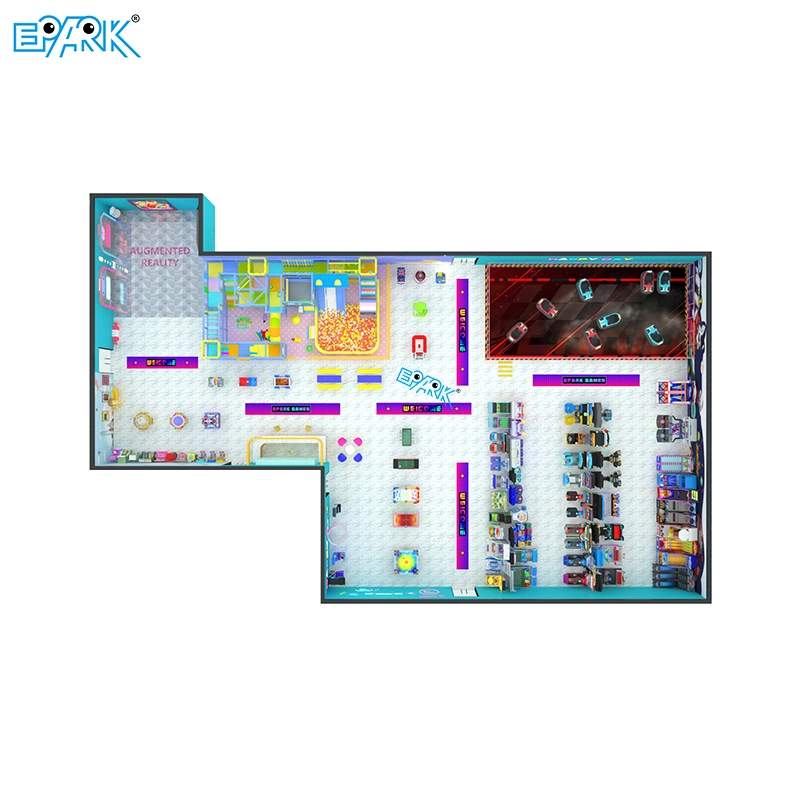
An effective arcade layout design service focuses on how players see, approach, and move through a venue. Layout becomes the system that determines whether machines are discovered, replayed, or ignored.
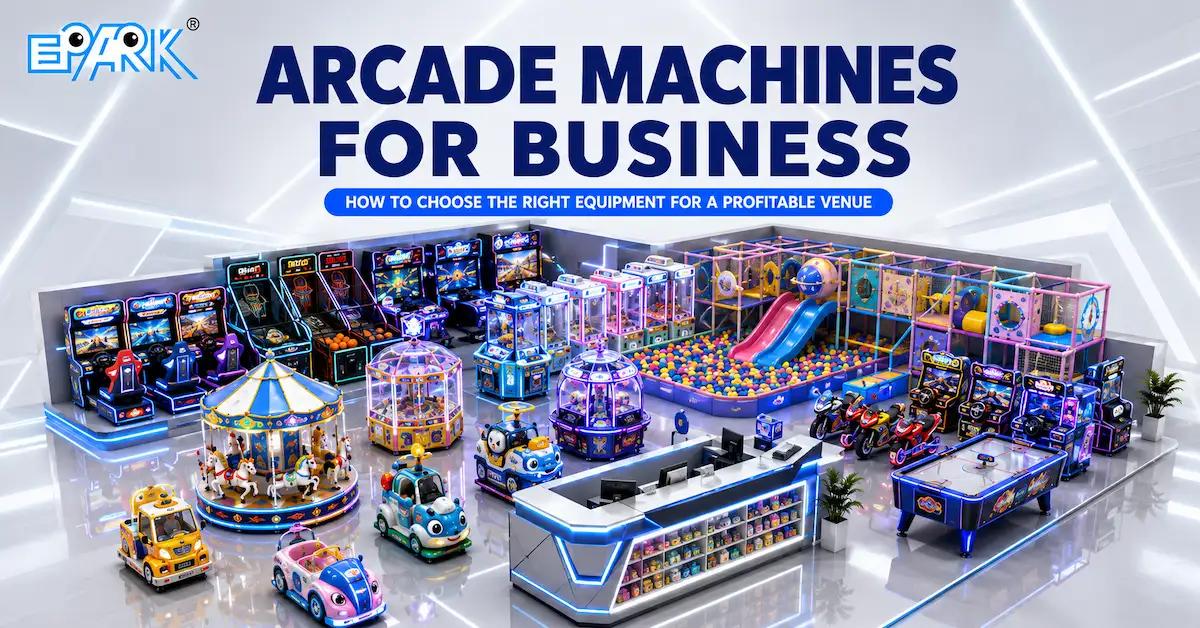
Core Arcade Product Types and Their Functional Placement Roles
Before any floor plan is drawn, layout planning starts with understanding what each product category is meant to do.
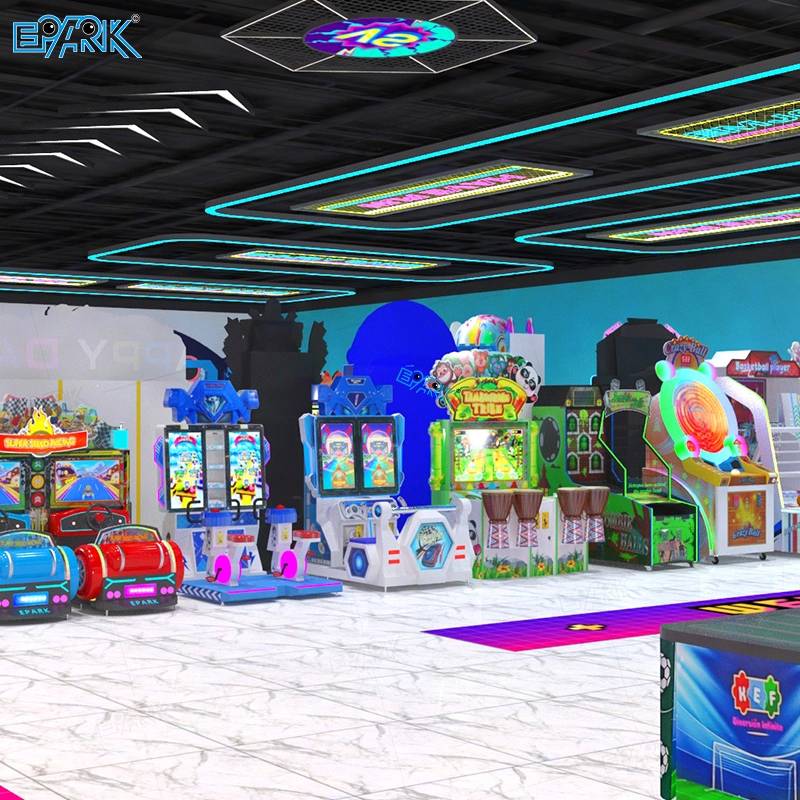
1. Racing, Sports, and Motion-Based Attraction Games
These machines generate attention through movement, sound, and screen size.
Placement logic:
-
Near entrances or main walkways
-
At visual focal points inside the venue
Primary role:
Attract foot traffic and pull players deeper into the arcade.
2. Claw Machines and Ticket Redemption Games
These are impulse-driven, high-frequency products.
Placement logic:
-
Along natural walking paths
-
Near corners, intersections, or prize areas
Primary role:
Capture casual play without requiring long commitment.
3. Skill-Based, Competitive, and Versus Games
These machines reward focus and longer sessions.
Placement logic:
-
Away from entrances
-
In zones with controlled noise and lower traffic
Primary role:
Increase dwell time and repeat engagement.
4. Interactive, Family-Oriented, and Kids’ Games
These machines attract group participation and parental supervision.
Placement logic:
-
Near open areas with good visibility
-
Close to seating or rest zones
Primary role:
Support family play and longer group visits.
5. Prize Display and Redemption Counters
These are conversion zones rather than play zones.
Placement logic:
-
Accessible from multiple game areas
-
Positioned to avoid blocking circulation
Primary role:
Turn play into satisfaction without creating congestion.
How Layout Strategy Changes by Venue Size
Once product roles are defined, layout decisions must adapt to scale.
Small Arcades (Under 80 sqm): Prioritize Visibility and Simplicity
In compact venues, complexity is the enemy.
Helpful layout guidance:
-
One clear circulation loop
-
At least one attraction game visible from outside
-
Claw and redemption machines aligned with the main path
-
Minimal zoning to avoid confusion
Small arcades succeed when players immediately understand the space.
Medium Arcades (80–200 sqm): Balance Zoning and Flexibility
Medium-sized venues benefit from structure—but only when it remains adaptable.
Helpful layout guidance:
-
Divide the space into 2–3 functional zones
-
Use attraction machines to connect entrance and inner areas
-
Place redemption games as transitional elements
-
Keep modular spacing for rotation and seasonal updates
This size range gains the most from professional arcade layout consulting, as mistakes are common and costly.
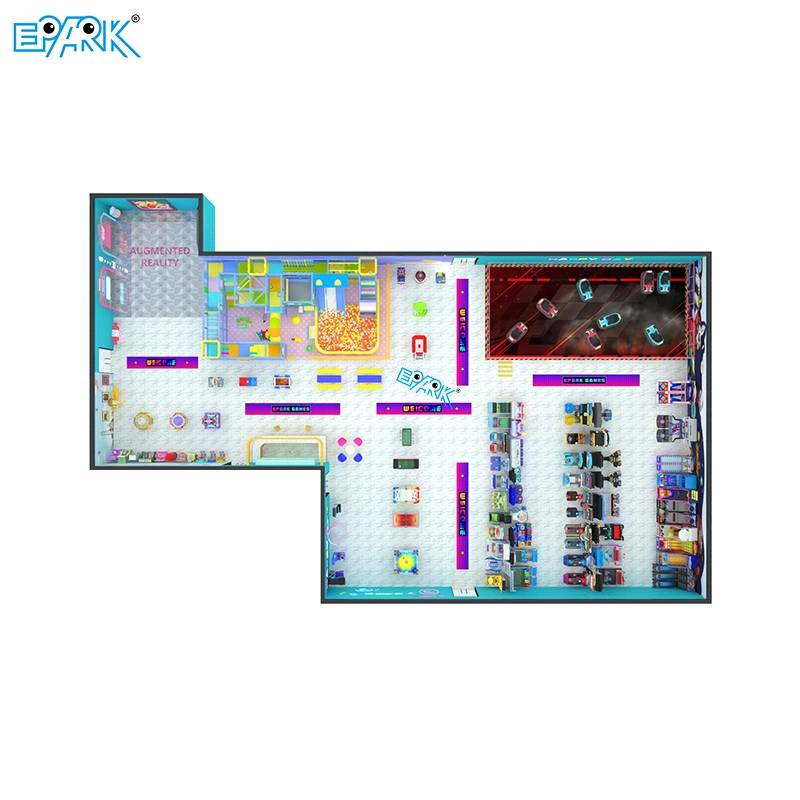
Large Arcades and FECs (200 sqm+): Control Flow at Scale
Large venues fail when traffic concentrates in one area.
Helpful layout guidance:
-
Multiple visual anchors instead of one center point
-
Parallel circulation paths to reduce bottlenecks
-
Clear separation between family zones and competitive zones
-
Redemption areas designed as flow regulators
In FECs, layout is not about attraction alone—it is about distribution.
Spacing and Orientation Standards That Apply at Any Size
Regardless of venue scale, certain rules remain consistent.
-
Clear front access for comfortable entry and exit
-
Side spacing to prevent overlapping play zones
-
Maintenance access without shutting down adjacent machines
Orientation amplifies these effects. Machines angled toward movement paths consistently outperform those aligned flat against walls—especially for redemption and family-oriented games.
Common Layout Choices and Their Long-Term Impact
| Layout Choice | Short-Term Effect | Long-Term Result |
|---|---|---|
| Maximum machine density | Strong first impression | Faster fatigue |
| Role-based zoning | Slightly fewer machines | Higher replay rates |
| Modular spacing | Easier changes | Lower downtime |
| Clear circulation | Smooth movement | Longer visits |
These outcomes repeat across different arcade formats and markets.
Frequently Asked Questions
Q1: Can layout optimization improve results without adding new machines?
Yes. Improving visibility, flow, and placement often increases utilization of existing equipment without additional investment.
Q2: Should the most popular machines always stay near the entrance?
No. Entrance machines should attract attention, but spreading popular machines prevents congestion and encourages deeper exploration.
Q3: When should an arcade or FEC review its layout?
When uneven machine performance, congestion, or short dwell times appear consistently during peak hours—not based on short-term revenue changes.
Q4: Is layout planning only important for new arcades?
No. Existing venues often benefit from layout adjustments, especially when expanding, rotating products, or targeting new customer groups.
Layout Design as Part of a Broader Operational System
At EPARKO, layout planning is not treated as a standalone drawing task. It is part of an integrated approach that connects layout decisions with equipment selection, operational flow, and long-term scalability.
Our arcade planning and design services focus on aligning product categories, player behavior, and space constraints into practical layouts that work beyond opening day. This process is explained in more detail through our design and planning workflow, where layout, zoning, and equipment coordination are addressed together.
With experience across arcade venues and FEC projects of different sizes, EPARKO supports operators in building spaces that attract foot traffic, guide movement naturally, and remain adaptable as business conditions change. More information about our company, capabilities, and project scope can be found on the EPARKO homepage.
Disclaimer
The information provided on this website is for general informational purposes only.
While EPARK Arcade Game Machine Manufacturer strives to ensure accuracy and reliability, no warranties—express or implied—are made regarding completeness, performance, or applicability.
Product specifications, designs, and features may vary depending on usage, customization, and customer requirements.
Buyers are responsible for verifying all technical details, compliance certifications, and suitability before procurement.
EPARK shall not be held liable for any direct, indirect, incidental, or consequential damages arising from the use of this website or its content, including but not limited to business losses, data errors, or equipment misuse.
For tailored solutions or further verification, please visit our Contact Us
Intellectual Property Notice
All articles, product images, videos, catalogs, software, and related materials published on this website are the intellectual property of EPARK, unless otherwise stated.
Unauthorized reproduction, distribution, modification, or commercial use of any content is strictly prohibited without prior written consent from EPARK.
EPARK reserves the right to take legal action against any unauthorized use, including but not limited to copyright infringement, misrepresentation, or unfair competition.
Trademarks
The name EPARK, the EPARK logo, and all related brand elements displayed on this website are registered trademarks or trade names of Guangzhou EPARK Electronic Technology Co., Ltd.
Other product names, company names, or logos mentioned on this site may be trademarks of their respective owners.
Unauthorized use of EPARK's trademarks for commercial purposes, including advertising, promotions, or product packaging, is strictly prohibited.
Governing Law
These terms are governed by the laws of the People's Republic of China.