
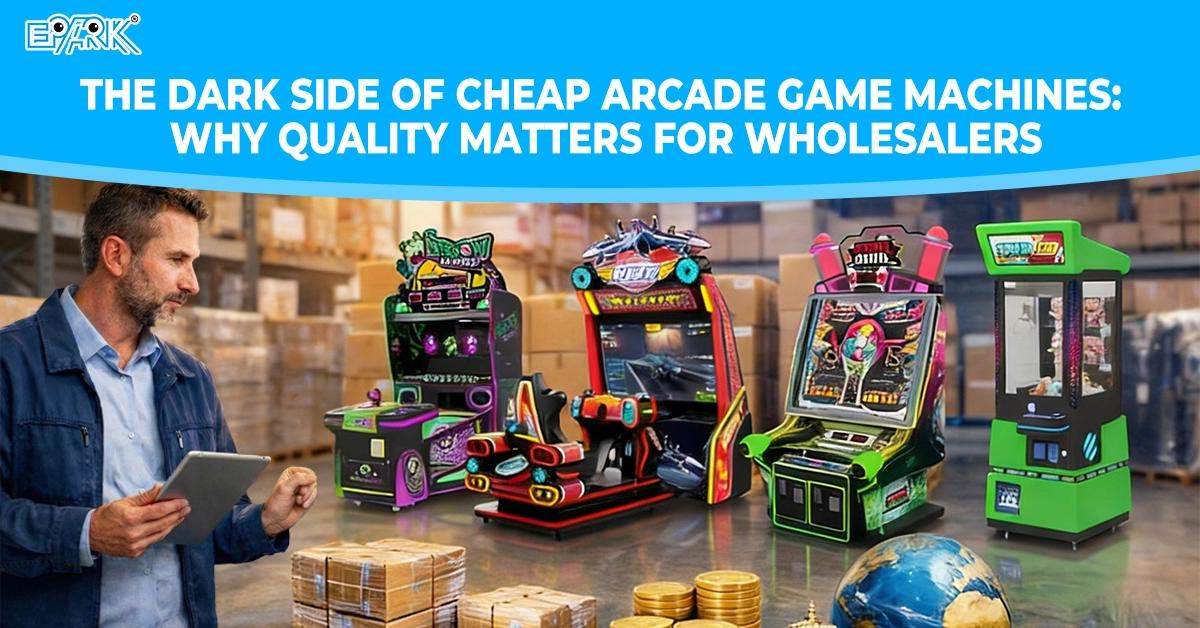
In today’s highly competitive global amusement industry, arcade machine wholesalers face constant pressure to offer lower prices. Emerging markets, new FEC investors, and price-sensitive operators often prioritize “cheap arcade machines” in hopes of maximizing short-term profits. On the surface, low purchase costs may seem attractive, especially when wholesalers are competing for bulk orders or tender-based projects.
However, experienced wholesalers know that arcade machines are not disposable consumer goods—they are commercial-grade revenue assets. When quality is compromised, the true cost emerges later in the form of machine failures, operator complaints, after-sales disputes, and brand damage. What initially appears to be a low-risk deal can quickly turn into a long-term liability.
This article explores the hidden risks behind cheap arcade game machines, explains why quality is a critical factor for wholesalers, and provides a practical framework for making smarter B2B sourcing decisions. Whether you supply claw machines, racing games, shooting simulators, or full FEC solutions, understanding the long-term impact of quality will help protect your margins, reputation, and growth potential.
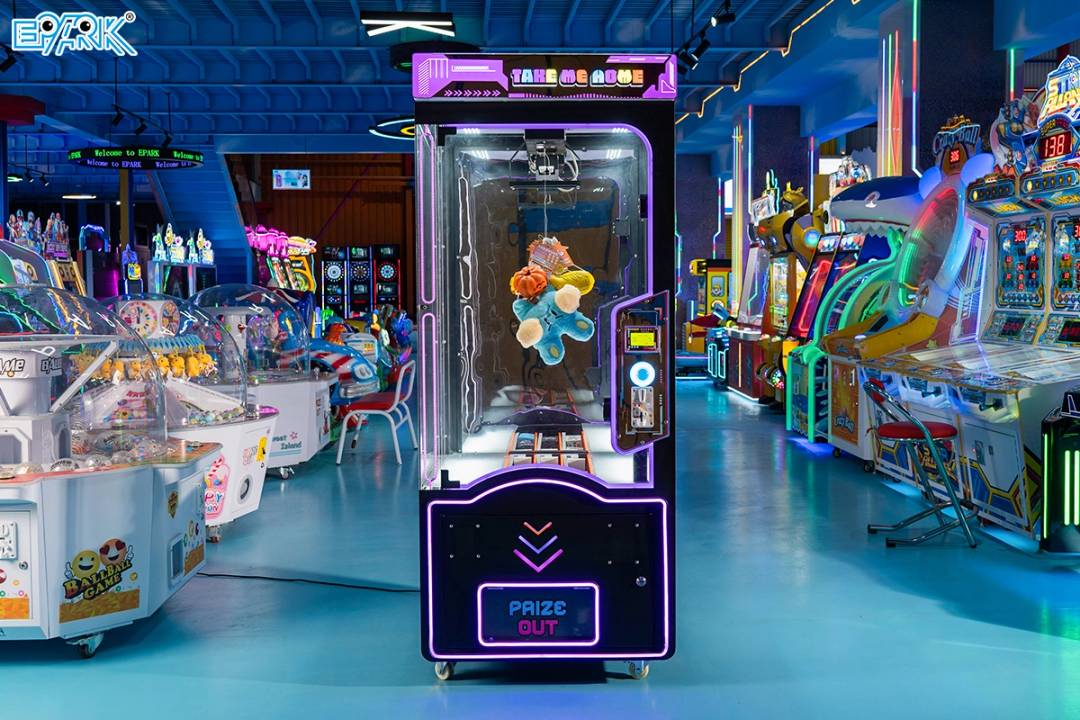
What Defines a “Cheap” Arcade Game Machine in the B2B Market?
Low Manufacturing Cost vs. Low Product Value
A cheap arcade machine is not defined solely by its selling price, but by how that price is achieved. In many cases, low-cost machines rely on inferior components such as low-grade power supplies, recycled PCBs, thin-gauge metal cabinets, or consumer-level displays not designed for long operating hours. These shortcuts significantly reduce manufacturing costs but also shorten the machine’s lifespan.
From a technical perspective, commercial arcade machines are expected to operate 8–14 hours per day, often in high-temperature and high-humidity environments. When components are not rated for such conditions, failure rates increase dramatically. This creates a gap between manufacturing cost and real-world performance, ultimately reducing product value.
For wholesalers, low product value translates into higher warranty claims, customer dissatisfaction, and unstable long-term partnerships. A machine that fails prematurely does not just affect one transaction—it affects trust across your distribution network.
Price-Driven Suppliers vs. Professional Arcade Manufacturers
The global arcade supply chain includes both professional manufacturers and price-driven suppliers. Price-driven suppliers often act as trading companies with minimal technical control over production. They outsource assembly to small workshops, lack standardized quality inspections, and provide limited documentation.
In contrast, professional arcade machine manufacturers typically operate integrated production systems, including cabinet fabrication, electronics assembly, software testing, and final QC. They also invest in certifications, compliance testing, and after-sales infrastructure.
The difference becomes especially visible after delivery. Price-driven suppliers often disappear once payment is complete, while professional manufacturers support wholesalers with spare parts, troubleshooting guides, firmware updates, and long-term cooperation.
The Hidden Risks of Cheap Arcade Machines for Wholesalers
High Failure Rates and After-Sales Burden
One of the most immediate risks of cheap arcade machines is a high failure rate. Common issues include unstable power modules, touchscreen malfunctions, button failures, coin acceptor errors, and software crashes. While these problems may seem minor individually, they accumulate quickly when machines are deployed at scale.
For wholesalers, this leads to a disproportionate after-sales burden. Each malfunction requires communication with operators, coordination of spare parts, and sometimes international shipping. These hidden costs often exceed the initial savings gained from lower purchase prices.
Additionally, wholesalers are frequently caught in the middle between suppliers and operators. When suppliers lack technical support capabilities, wholesalers must absorb both financial and reputational damage.
Poor Player Experience = Low Revenue for Operators
Arcade machines exist for one purpose: to generate revenue through player engagement. Cheap machines often compromise on core gameplay elements such as control responsiveness, display brightness, audio quality, and software stability. These factors directly influence how long players stay engaged and whether they return.
From an operator’s perspective, a poor player experience results in lower coin drop, shorter session times, and reduced repeat play. Operators who experience low performance from machines sourced through a wholesaler may associate those failures with the wholesaler’s judgment and professionalism.
This creates a ripple effect where wholesalers lose repeat customers and struggle to expand within the same market. Quality machines, by contrast, help operators achieve predictable ROI and reinforce long-term cooperation.
Compliance, Safety, and Market Access Issues
Another major risk of cheap arcade machines lies in compliance and safety. Many low-cost machines do not meet international electrical or environmental standards, making them unsuitable for regulated markets such as Europe, the Middle East, or premium shopping malls.
Below is a comparison of common compliance requirements:
| Standard | Purpose | Impact on Market Access |
|---|---|---|
| CE | Electrical & safety compliance (EU) | Mandatory for Europe |
| RoHS | Restriction of hazardous substances | Required by major malls |
| FCC | Electromagnetic interference (US) | Needed for US distribution |
| ISO 9001 | Quality management system | Builds buyer confidence |
Machines without these certifications expose wholesalers to legal risk, customs delays, and rejected projects. In contrast, quality-focused manufacturers design products with compliance in mind from the outset.
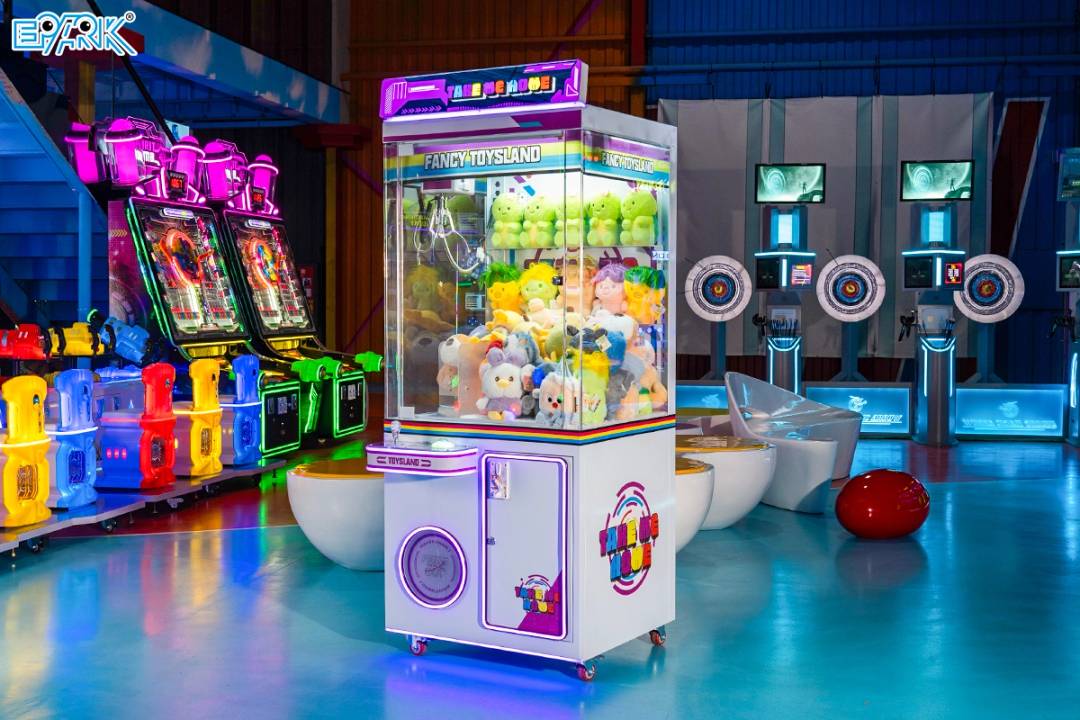
Cost Comparison — Cheap vs. Quality Arcade Machines (Long-Term View)
Total Cost of Ownership (TCO) Breakdown
While cheap arcade machines have lower upfront prices, their Total Cost of Ownership (TCO) is often significantly higher. TCO includes not only the purchase price, but also maintenance, downtime, spare parts, logistics, and lost revenue.
| Cost Factor | Cheap Machine | Quality Machine |
|---|---|---|
| Initial Cost | Low | Medium |
| Failure Rate | High | Low |
| Maintenance Cost | High | Low |
| Downtime | Frequent | Minimal |
| Lifecycle | 1–2 years | 5–8 years |
Over a multi-year period, quality machines consistently outperform cheap alternatives in both stability and profitability. Wholesalers who calculate TCO rather than unit price gain a clearer understanding of real margins.
Profitability from a Wholesaler’s Perspective
For wholesalers, profitability is not determined by price alone, but by operational efficiency and customer retention. Cheap machines increase support workload, complicate logistics, and reduce scalability. These inefficiencies limit a wholesaler’s ability to grow across regions or handle large projects.
Quality machines, on the other hand, enable standardized operations. Fewer failures mean fewer disputes, smoother deliveries, and stronger trust with distributors and operators. Over time, this translates into repeat orders, referrals, and higher average order values.
Why Quality Arcade Machines Matter for Brand-Building Wholesalers
Protecting Your Brand and Market Position
In the B2B arcade industry, brand reputation is built through consistency. Operators remember which wholesalers provide reliable machines and which ones cause operational headaches. A single large project failure can damage years of market development.
Quality arcade machines act as a brand extension of the wholesaler. Stable performance, professional design, and compliance signal reliability and competence. This positions wholesalers as long-term partners rather than transactional suppliers.
Strong brand positioning also enables wholesalers to move away from price wars and compete on value, service, and expertise.
Supporting Scalable Business Growth
As wholesalers expand into new regions or larger FEC projects, operational complexity increases. Managing hundreds of machines across multiple countries requires predictable performance and standardized components.
Quality machines simplify scaling by reducing technical variability. Spare parts can be standardized, training can be streamlined, and support processes can be replicated. This is especially important for wholesalers targeting mall-based FECs, chain operators, or government-backed entertainment projects.
What to Look for in a Reliable Arcade Game Machine Manufacturer
Factory Capabilities and Production Standards
A reliable manufacturer should demonstrate end-to-end production capabilities, including metal fabrication, electronic assembly, software testing, and final inspection. This vertical integration ensures better quality control and faster issue resolution.
Key indicators of professional production include aging tests, vibration tests, and burn-in testing before shipment. These processes simulate real-world operating conditions and reduce early-stage failures.
Manufacturers with export experience also understand packaging standards, documentation requirements, and international logistics, which further reduce risk for wholesalers.
Product Design, Customization, and Technical Support
Quality manufacturers offer more than standard products. They support customization in cabinet design, branding, language settings, and gameplay parameters. This flexibility allows wholesalers to tailor machines to different markets and client needs.
Equally important is technical support. Reliable suppliers provide wiring diagrams, software manuals, spare parts lists, and remote troubleshooting assistance. These resources significantly reduce after-sales pressure for wholesalers.
Case Example: Professional Arcade Machine Manufacturers
Leading arcade manufacturers typically follow a quality-first philosophy. They invest in R&D, adopt international standards, and focus on long-term partnerships rather than short-term sales. Such manufacturers export to Europe, Southeast Asia, the Middle East, and other regulated markets, proving their reliability through real-world deployments.
For wholesalers, aligning with such manufacturers enhances credibility and reduces operational risk across all markets.
How Quality Arcade Machines Increase Long-Term ROI for Wholesalers
Quality arcade machines deliver longer lifecycles, stable performance, and consistent operator satisfaction. This stability directly supports long-term ROI by minimizing unexpected costs and maximizing repeat business.
Wholesalers who prioritize quality are better positioned to develop exclusive distribution agreements, premium product lines, and full-solution offerings. Over time, this strategic approach leads to higher margins and stronger market influence.
Conclusion: Cheap Arcade Machines Are a Short-Term Gain but a Long-Term Risk
While cheap arcade machines may appear attractive in the short term, they often carry hidden costs that undermine wholesaler profitability and reputation. High failure rates, poor player experience, and compliance issues create long-term challenges that outweigh initial savings.
Quality arcade machines, by contrast, support sustainable growth, stronger partnerships, and predictable returns. For wholesalers aiming to build a resilient and scalable business, quality is not an expense—it is a strategic investment.

Disclaimer
The information provided on this website is for general informational purposes only.
While EPARK Arcade Game Machine Manufacturer strives to ensure accuracy and reliability, no warranties—express or implied—are made regarding completeness, performance, or applicability.
Product specifications, designs, and features may vary depending on usage, customization, and customer requirements.
Buyers are responsible for verifying all technical details, compliance certifications, and suitability before procurement.
EPARK shall not be held liable for any direct, indirect, incidental, or consequential damages arising from the use of this website or its content, including but not limited to business losses, data errors, or equipment misuse.
For tailored solutions or further verification, please visit our Contact Us
Intellectual Property Notice
All articles, product images, videos, catalogs, software, and related materials published on this website are the intellectual property of EPARK, unless otherwise stated.
Unauthorized reproduction, distribution, modification, or commercial use of any content is strictly prohibited without prior written consent from EPARK.
EPARK reserves the right to take legal action against any unauthorized use, including but not limited to copyright infringement, misrepresentation, or unfair competition.
Trademarks
The name EPARK, the EPARK logo, and all related brand elements displayed on this website are registered trademarks or trade names of Guangzhou EPARK Electronic Technology Co., Ltd.
Other product names, company names, or logos mentioned on this site may be trademarks of their respective owners.
Unauthorized use of EPARK's trademarks for commercial purposes, including advertising, promotions, or product packaging, is strictly prohibited.
Governing Law
These terms are governed by the laws of the People's Republic of China.