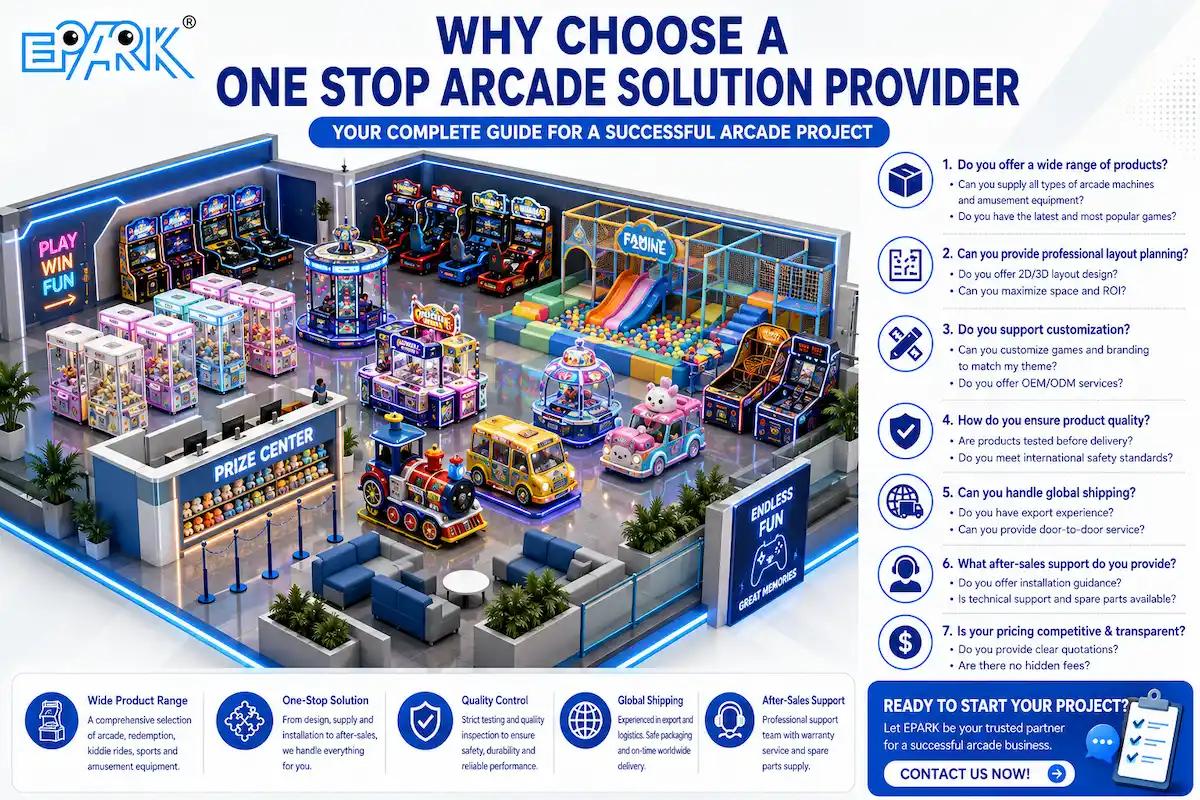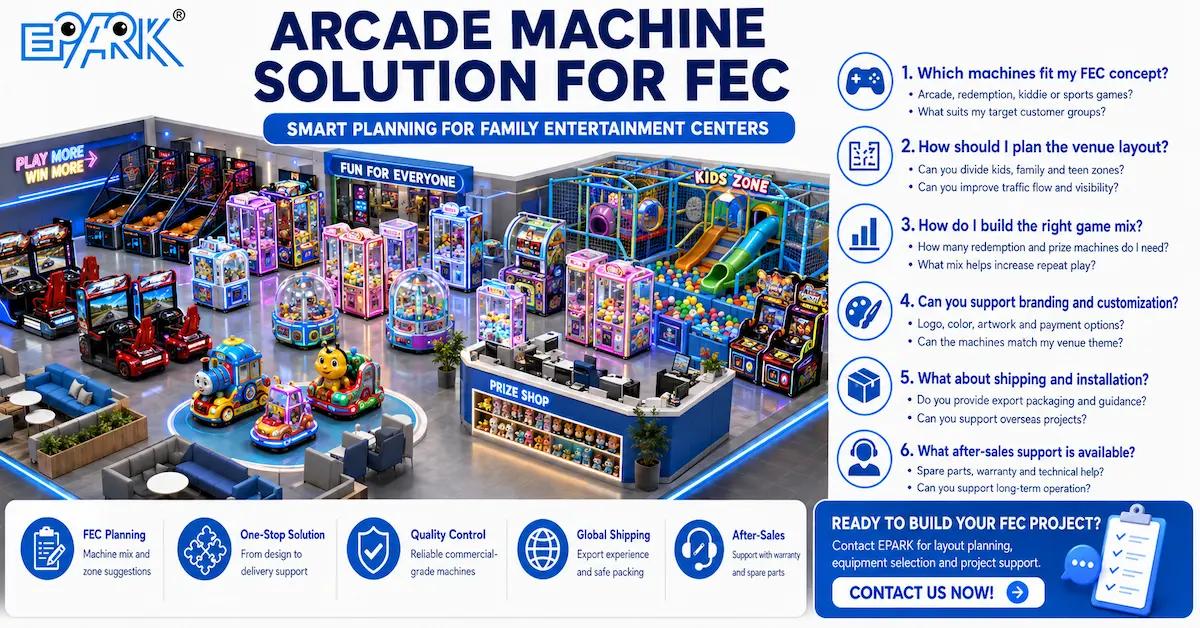

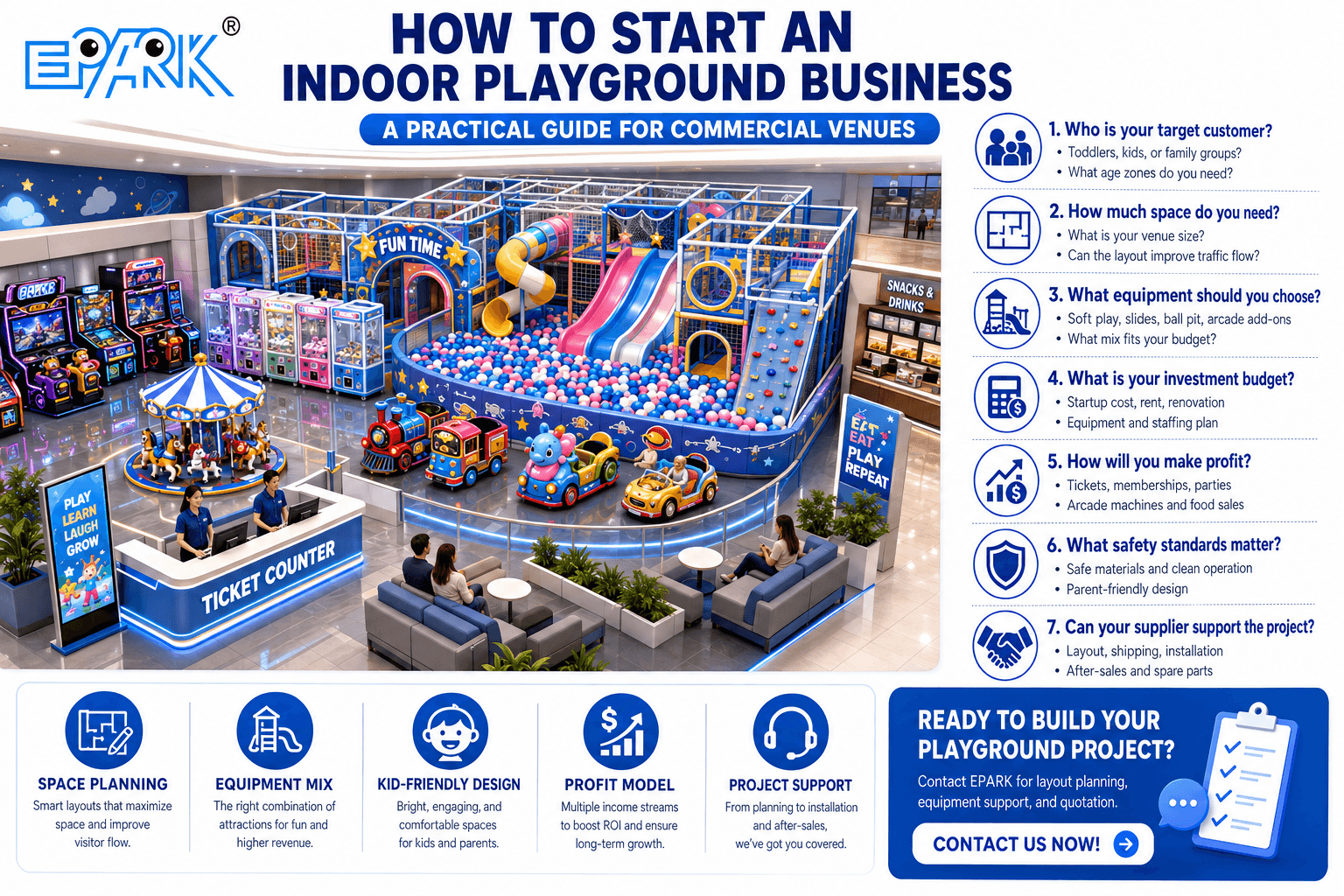
If you are researching how to start an indoor playground business, you are probably not only thinking about slides and ball pits. A successful indoor playground is a commercial family entertainment project. It needs the right location, customer positioning, space planning, equipment selection, safety design, pricing model, and long-term operation strategy.
Indoor playgrounds are especially suitable for:
- Shopping malls
- Family entertainment centers
- Indoor amusement parks
- Commercial plazas
- Children’s activity centers
- Cinema and retail complexes
- Resorts and hotels
- Community family leisure spaces
For commercial venues, an indoor playground can increase foot traffic, extend customer stay time, and create additional revenue through tickets, memberships, parties, snacks, merchandise, prize redemption, and arcade machines.
However, many investors make the same mistake: they start by buying equipment before planning the business model. A better approach is to plan the full project first, then choose equipment that matches your space, budget, and target customers.
This guide explains the key steps to start an indoor playground business for commercial venues, with a focus on opening process, space planning, equipment mix, and profit models.
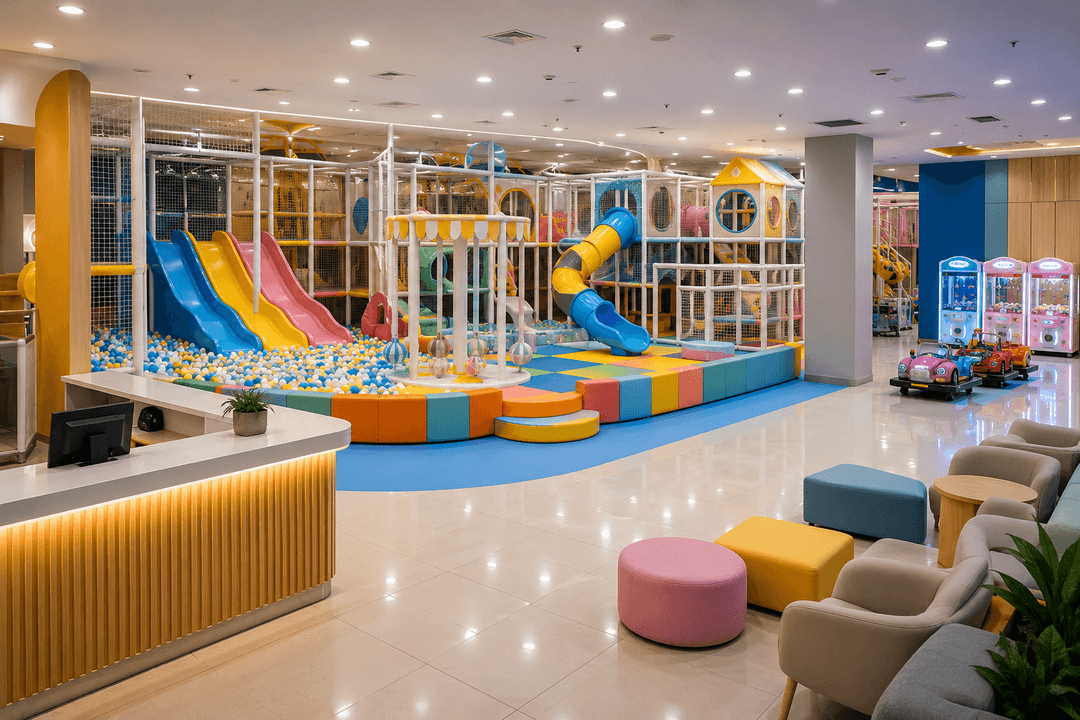
Define Your Indoor Playground Business Model
Before choosing equipment, you need to define what kind of indoor playground you want to build. Different business models need different layouts, budgets, and equipment combinations.
Common indoor playground business models include:
| Business Model | Suitable Venue | Main Revenue Source |
|---|---|---|
| Small Kids Play Zone | Shopping mall corner, retail area | Entry tickets, short-time play |
| Standard Indoor Playground | Mall, community commercial space | Tickets, memberships, birthday parties |
| Family Entertainment Center | Large commercial venue | Tickets, arcade games, redemption, events |
| Soft Play + Arcade Hybrid | FEC, indoor amusement center | Play area + arcade machine income |
| Themed Children’s Park | Destination venue | Tickets, parties, themed events |
| Indoor Playground + Café | Family retail space | Tickets, food, drinks, parent waiting area |
| Mall Traffic Attraction Zone | Shopping mall leisure area | Revenue share, tickets, machine income |
A small playground can focus on soft play, slides, ball pits, and simple kiddie rides. A larger project may include trampoline areas, climbing zones, arcade machines, redemption games, prize counters, party rooms, and parent rest areas.
If your venue is inside a shopping mall, the project should be highly visible, safe, clean, and easy for parents to understand. If your project is a full family entertainment center, you need stronger zoning and a more complete equipment mix.
Research Your Target Customers and Local Market
A profitable indoor playground business must match local customer demand. Before investing, study the surrounding customer groups.
Key questions to ask:
- Are there many families with children nearby?
- What age group do you want to serve?
- Is the venue located in a mall, community, resort, or commercial street?
- Are there competing playgrounds nearby?
- What do parents care about most: safety, cleanliness, price, variety, or convenience?
- Do local families prefer hourly tickets, day passes, or memberships?
- Are birthday parties and group activities popular in the area?
- Can the venue attract repeat customers?
Most indoor playgrounds target children aged 2–12, but the equipment should be divided by age group. Toddlers need softer, safer, lower-height play areas. Older children need slides, climbing, interactive equipment, and more challenging play structures.
If you also want to attract teenagers and parents, you can add arcade machines, claw machines, basketball games, racing games, or redemption games. This creates a broader family entertainment experience instead of only a children’s play zone.
Choose the Right Commercial Location
Location strongly affects indoor playground revenue. A good location brings natural traffic and reduces marketing pressure.
Suitable locations include:
- Shopping mall family floors
- Supermarket or retail complex entrances
- Cinema and entertainment floors
- Children’s education center areas
- Community commercial centers
- Tourist destinations
- Hotel or resort leisure zones
- Large FEC venues
When checking a location, consider:
- Daily foot traffic
- Family customer ratio
- Nearby children’s stores or restaurants
- Visibility from main walkways
- Rental cost
- Space shape
- Ceiling height
- Fire exit requirements
- Air conditioning and ventilation
- Restroom access
- Parking convenience
- Power supply
- Noise control
A cheaper rental space is not always better. If the location has low family traffic, poor visibility, or inconvenient access, marketing costs may become higher later.
For shopping malls, indoor playgrounds are often used to attract family visitors and increase customer stay time. In this case, the playground should be visually open, bright, and easy to enter.
Plan the Indoor Playground Space Before Buying Equipment
Space planning is one of the most important parts of starting an indoor playground business. Poor layout can reduce capacity, create safety problems, and make operation difficult.
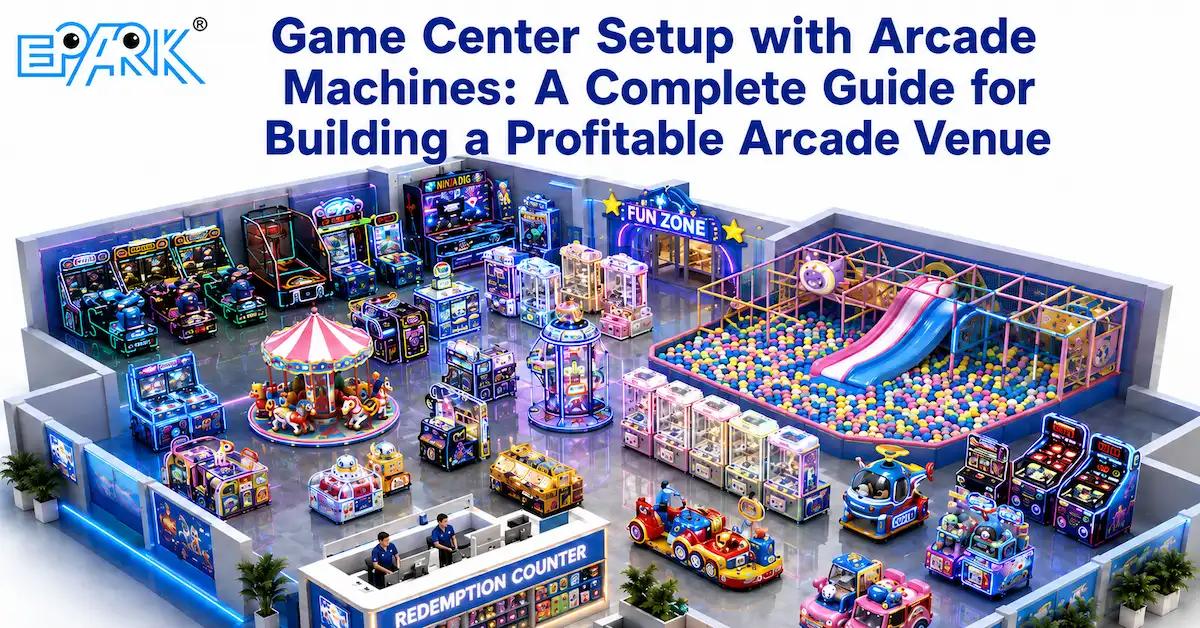
A good indoor playground layout should include:
- Entrance and reception area
- Ticketing or payment counter
- Shoe storage area
- Toddler play zone
- Main soft play structure
- Ball pit and slide area
- Climbing or obstacle zone
- Kiddie ride zone
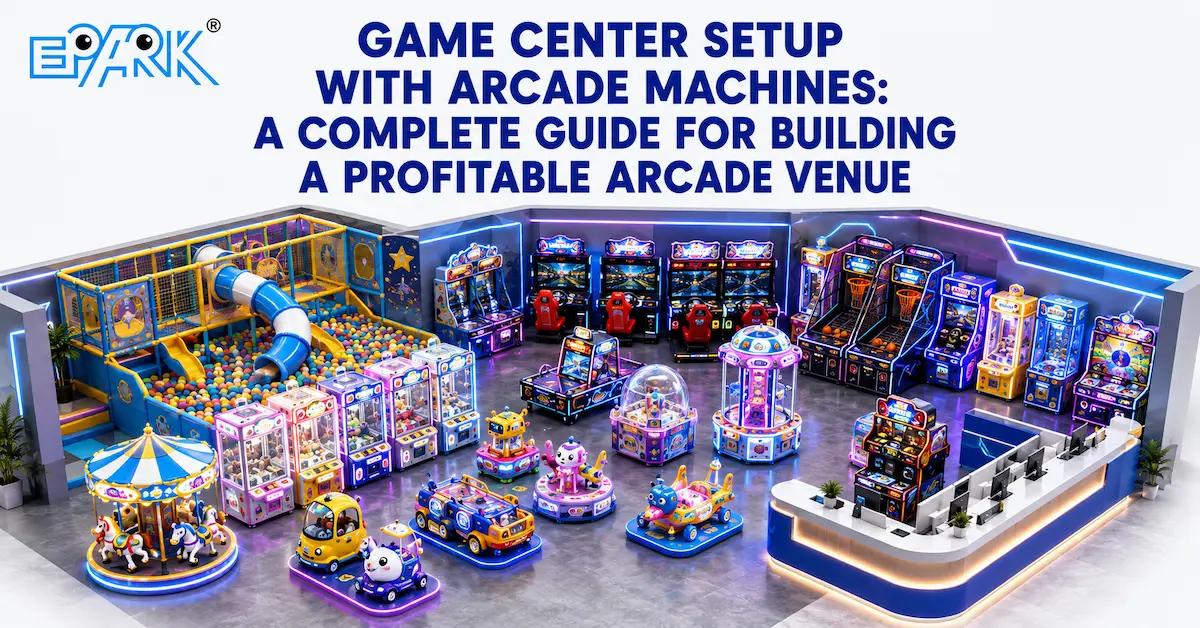
- Arcade machine zone
- Parent rest area
- Party room
- Prize or redemption area
- Storage room
- Staff operation area
- Emergency exits
Basic Indoor Playground Space Planning Table
| Zone | Function | Planning Tips |
| Entrance & Reception | Ticketing, check-in, customer control | Keep it visible and close to main walkway |
| Shoe & Locker Area | Cleanliness and storage | Place before play entrance |
| Toddler Zone | Children aged 2–5 | Use soft, low-height, safe equipment |
| Main Play Zone | Slides, climbing, ball pit, obstacle play | Use the largest central area |
| Arcade Zone | Claw machines, kiddie rides, sports games | Place near parent waiting or exit area |
| Parent Rest Area | Seating and waiting | Keep clear view of children’s play area |
| Party Room | Birthday parties and group events | Separate from main flow but easy to access |
| Redemption Area | Prize exchange and repeat play | Works well near arcade machines |
| Staff & Storage | Operation and maintenance | Keep hidden but accessible |
The goal is not only to fill the space. The goal is to make children play safely, parents stay comfortably, and operators manage the venue efficiently.
For commercial venues, layout should also consider customer flow. High-attraction zones should be visible from outside. Parent rest areas should not block movement. Arcade machines should be placed where they can generate extra spending without disturbing the soft play area.
Select the Right Indoor Playground Equipment Mix
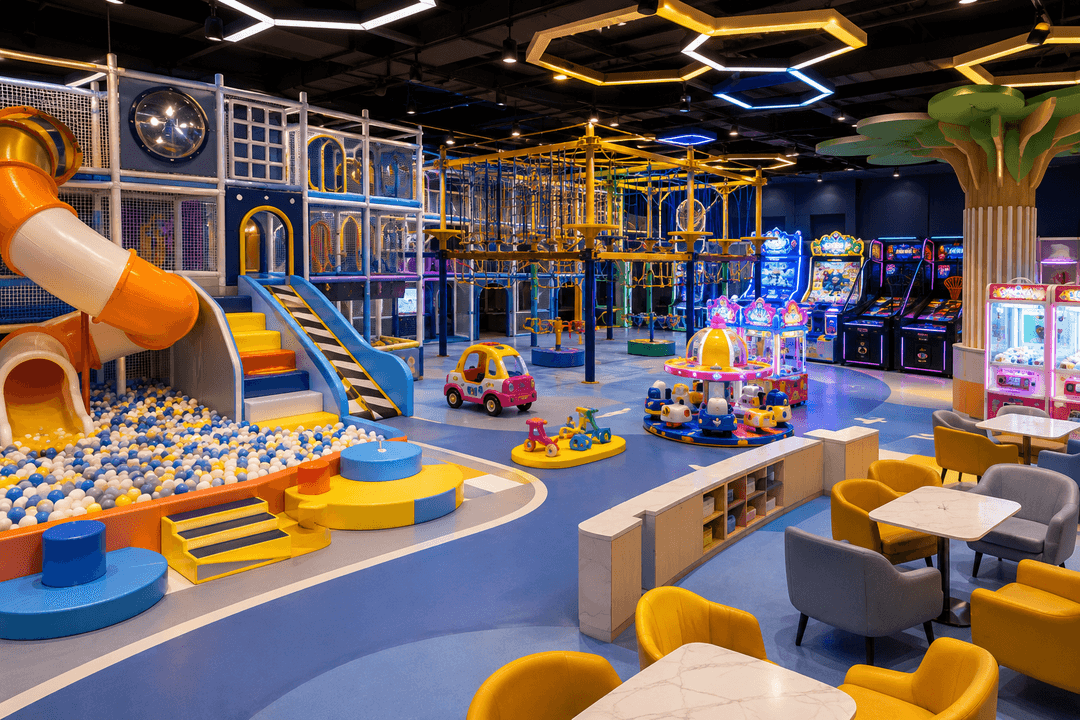
When investors ask how to start an indoor playground business, equipment selection is usually the first thing they think about. But equipment should be selected based on space size, customer age, safety requirements, and profit goals.
Common equipment categories include:
- Soft play structures
- Ball pits
- Slides
- Climbing frames
- Trampoline areas
- Toddler play equipment
- Interactive projection games
- Kiddie rides
- Claw machines
- Redemption games
- Basketball arcade machines
- Racing simulators
- Mini carousel
- Prize vending machines
- Party room furniture
Equipment Mix by Venue Size
| Venue Size | Suggested Equipment Mix | Best For |
| 50–100㎡ | Small soft play, mini slides, kiddie rides, 2–4 claw machines | Mall corner, compact kids zone |
| 100–300㎡ | Soft play structure, ball pit, slides, arcade corner, parent rest area | Standard indoor playground |
| 300–600㎡ | Large play structure, toddler zone, arcade area, party room, redemption games | Commercial family venue |
| 600㎡+ | Multi-zone FEC, large soft play, arcade games, VR/simulator area, café, party rooms | Full family entertainment center |
A balanced equipment mix can increase customer stay time and revenue. Soft play attracts children. Arcade machines attract older kids, teenagers, and parents. Kiddie rides are suitable for younger children. Redemption games encourage repeat play.
EPARK can support indoor playground and FEC investors with arcade machines, kiddie rides, redemption games, claw machines, layout planning, and commercial entertainment equipment selection. You can explore related products on the EPARK Products page.
Design a Safe and Parent-Friendly Environment
Safety is one of the most important decision factors for parents. A playground that looks fun but feels unsafe will struggle to build repeat customers.
Important safety considerations include:
- Soft and impact-resistant materials
- Rounded equipment edges
- Age-separated zones
- Anti-slip flooring
- Secure netting and barriers
- Proper slide height
- Clear emergency exits
- Fire safety compliance
- Ventilation and lighting
- Cleanliness management
- Staff supervision points
- Clear entrance and exit control
Parents also care about visibility. If they can easily see their children while sitting in the rest area, they are more likely to stay longer and return.
A parent-friendly indoor playground should include:
- Comfortable seating
- Good lighting
- Clean restrooms nearby
- Easy check-in process
- Visible play zones
- Clear rules
- Safe shoe storage
- Simple pricing
- Staff assistance
- Snack or drink area if allowed
Good design improves both safety and customer experience.
Build a Practical Profit Model
An indoor playground business should not rely on one income source only. A stronger profit model usually combines multiple revenue channels.
Common revenue sources include:
| Revenue Source | Description | Notes |
| Entry Tickets | Hourly tickets, day passes, child admission | Core revenue for most playgrounds |
| Membership Cards | Monthly or annual passes | Helps build repeat customers |
| Birthday Parties | Private rooms, party packages, decorations | High-margin revenue |
| Arcade Machines | Claw machines, kiddie rides, redemption games | Adds extra spending |
| Prize Redemption | Ticket games and prize exchange | Encourages repeat play |
| Food & Drinks | Café, snacks, drinks | Works well with parent waiting area |
| Events & Classes | Holiday events, parent-child activities | Helps increase weekday traffic |
| Retail Products | Toys, socks, gifts, accessories | Small but useful add-on revenue |
| Venue Rental | Group bookings, school events | Suitable for larger spaces |
For commercial venues, arcade machines can be an important extra revenue source. While children use the soft play area, older kids or parents may spend on claw machines, basketball games, racing machines, and kiddie rides.
A good indoor playground should also balance peak and off-peak revenue. Weekends and holidays may be busy, but weekday traffic can be improved through memberships, school partnerships, group events, and discounted time slots.
Estimate Startup Costs Carefully
Startup cost depends on location, space size, equipment mix, design complexity, and local market requirements.
Common cost items include:
- Venue rent
- Renovation and decoration
- Indoor playground equipment
- Arcade machines and kiddie rides
- Flooring
- Lighting
- Air conditioning
- Fire safety work
- Ticketing system
- Staff training
- Insurance
- Marketing
- Party room setup
- Cleaning tools
- Spare parts
- Shipping and installation
Startup Cost Planning Checklist
| Cost Item | Why It Matters |
| Rent | Affects monthly fixed cost |
| Equipment | Main investment for play experience |
| Renovation | Creates visual appeal and safety |
| Arcade Machines | Adds additional revenue channels |
| Shipping | Important for imported equipment |
| Installation | Affects opening schedule |
| Staff | Needed for safety and operation |
| Marketing | Helps attract first customers |
| Maintenance | Keeps equipment safe and stable |
| Spare Parts | Reduces downtime |
Do not spend the entire budget on equipment. Keep reserve funds for marketing, maintenance, staff training, and early operation.
Plan Daily Operation Before Opening
A successful indoor playground needs daily management systems. Investors should prepare operation rules before opening.
Key operation tasks include:
- Ticket pricing
- Entry control
- Parent-child check-in
- Age group rules
- Cleaning schedule
- Equipment inspection
- Staff duty positions
- Party booking system
- Membership management
- Arcade machine maintenance
- Prize inventory
- Customer feedback process
- Safety incident response
- Marketing calendar
A daily checklist helps staff keep the venue safe and organized.
For example:
- Check slides and netting before opening
- Clean high-touch areas regularly
- Test arcade machines every day
- Refill prizes and tickets
- Check lighting and sound systems
- Inspect ball pit cleanliness
- Monitor customer flow during peak hours
- Record machine problems quickly
Good operation protects both customer experience and long-term profit.
Use Arcade Machines to Improve Revenue
Indoor playgrounds mainly serve children, but arcade machines can expand the customer base and create additional income.
Popular machines for indoor playground projects include:
- Claw machines
- Kiddie rides
- Basketball arcade machines
- Small redemption games
- Prize vending machines
- Interactive sports games
- Mini racing games
- Parent-child game machines
These machines are useful because they:
- Attract children near the entrance
- Encourage impulse spending
- Entertain older kids
- Add revenue outside ticket income
- Support prize redemption
- Improve customer stay time
- Make the venue more dynamic
The arcade zone should not overwhelm the soft play area. It should be placed carefully near waiting areas, exits, or open traffic paths.
A professional supplier can help you choose the right machine mix based on your venue size and customer profile.
Work with a Reliable Supplier for Project Support
Starting an indoor playground business requires multiple decisions. A reliable supplier should not only sell products but also help you reduce planning and purchasing risks.
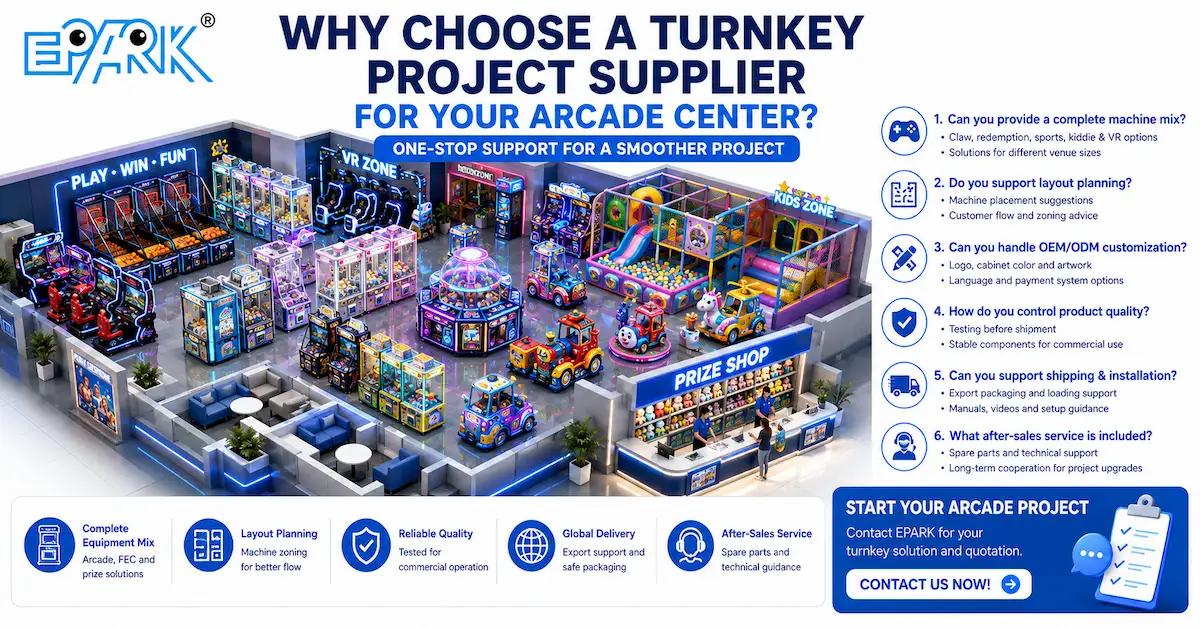
A good supplier should support:
- Equipment recommendation
- Arcade machine selection
- Space layout planning
- OEM/ODM customization
- Safety-focused design
- Product testing
- Export packaging
- Shipping support
- Installation guidance
- Spare parts supply
- After-sales service
For commercial venue investors, supplier support can save time and reduce mistakes. This is especially important if you are building a hybrid indoor playground + arcade project.
EPARK supports commercial amusement projects with arcade machines, kiddie rides, claw machines, redemption games, sports machines, FEC equipment solutions, layout support, customization, shipping, and after-sales service. You can learn more about EPARK on the About Us page, review common questions on the FAQ page, or contact the team through the Contact Us page.
Step-by-Step Process to Start an Indoor Playground Business
Here is a practical opening process for investors:
| Step | What to Do | Key Result |
| 1 | Research local market | Understand customer demand |
| 2 | Choose business model | Define venue type and revenue structure |
| 3 | Select location | Secure family traffic and visibility |
| 4 | Confirm budget | Avoid hidden startup costs |
| 5 | Plan layout | Improve safety, flow, and revenue |
| 6 | Select equipment | Match age group and business model |
| 7 | Add arcade machines | Build extra revenue streams |
| 8 | Confirm design and safety | Create parent trust |
| 9 | Arrange production and shipping | Control project schedule |
| 10 | Install and test equipment | Prepare for opening |
| 11 | Train staff | Improve safety and customer service |
| 12 | Launch marketing | Attract first visitors |
| 13 | Optimize operation | Improve repeat visits and profit |
This step-by-step process helps investors move from idea to commercial opening with less risk.
Why Choose EPARK for Indoor Playground and FEC Projects?
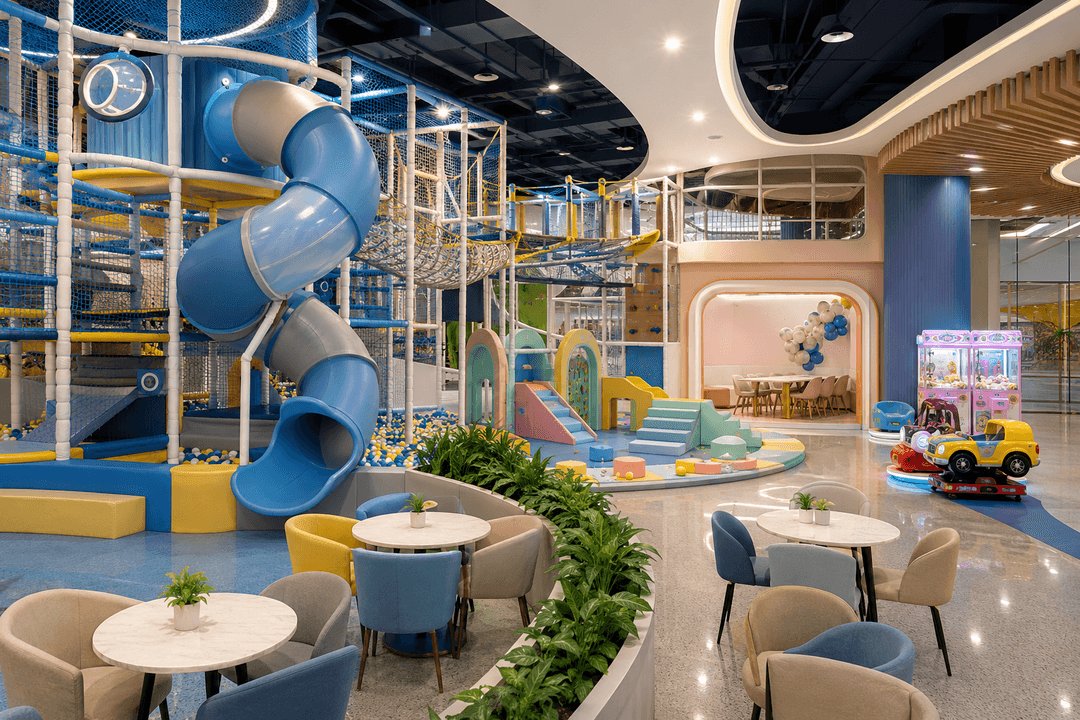
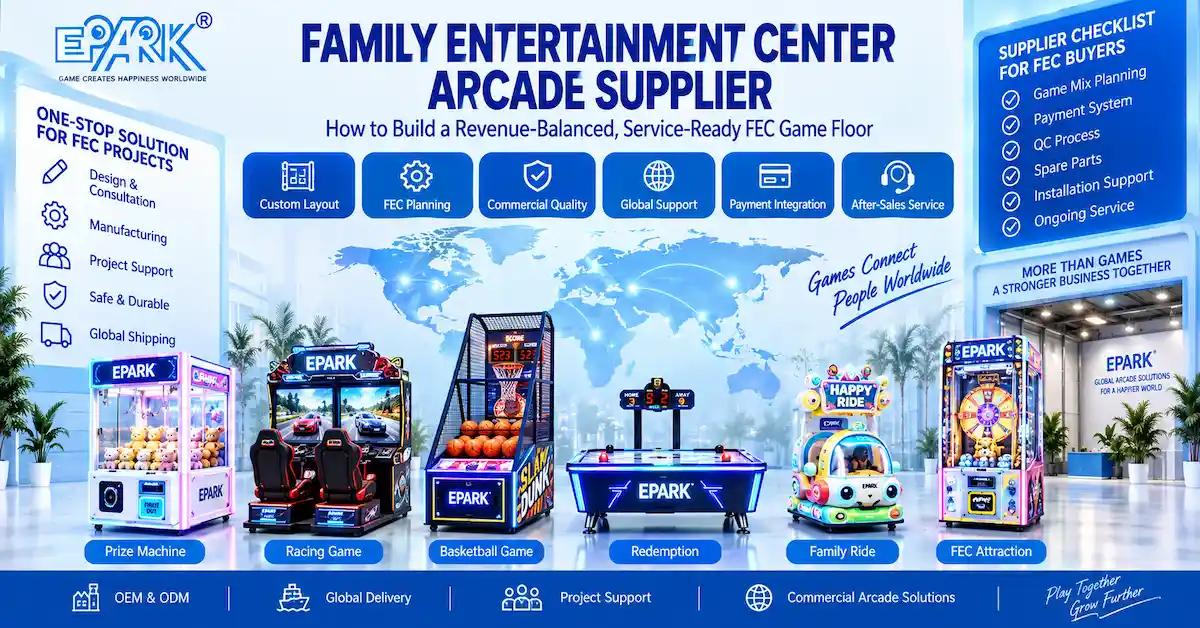
EPARK is a one-stop arcade machine manufacturer and commercial amusement solution provider based in Guangzhou, China. For indoor playground investors, EPARK can provide equipment and project support that helps connect play area planning with arcade revenue.
EPARK can support:
- Claw machines
- Kiddie rides
- Redemption games
- Basketball arcade machines
- Racing and sports games
- VR arcade machines
- FEC equipment solutions
- Indoor playground arcade zones
- OEM/ODM customization
- Venue layout planning
- Export packaging
- Shipping support
- Installation guidance
- Spare parts and after-sales service
If you are planning an indoor playground for a shopping mall, family entertainment center, indoor amusement venue, or commercial children’s activity space, EPARK can help you choose the right arcade machine mix and build a more complete business plan.
Explore EPARK’s equipment options on the Products page, learn more about the company on the About Us page, or contact EPARK for layout support and a customized quotation.
FAQ
1. How do I start an indoor playground business?
Start by researching your local market, choosing a business model, selecting a venue, planning the layout, choosing equipment, estimating startup costs, preparing operation rules, and working with a reliable equipment supplier.
2. What equipment do I need for an indoor playground?
Common equipment includes soft play structures, slides, ball pits, climbing areas, toddler play equipment, kiddie rides, claw machines, redemption games, and other family entertainment machines.
3. Is an indoor playground business profitable?
It can be profitable if the venue has strong family traffic, good layout, attractive equipment, safe design, repeat customer programs, and multiple revenue streams such as tickets, memberships, parties, arcade machines, and snacks.
4. How much space do I need for an indoor playground?
A small playground can start from around 50–100㎡, while a standard commercial indoor playground may use 100–300㎡ or more. Larger FEC projects can exceed 600㎡ depending on the equipment mix.
5. What is the best location for an indoor playground?
Shopping malls, family entertainment centers, commercial plazas, cinema complexes, community centers, and resorts are common locations because they already attract family visitors.
6. How can arcade machines help an indoor playground?
Arcade machines create extra revenue, attract older children and parents, improve venue variety, and encourage repeat spending through claw machines, kiddie rides, redemption games, and sports machines.
7. What safety factors should I consider?
You should consider soft materials, anti-slip flooring, rounded edges, age-separated zones, safety netting, clean air circulation, emergency exits, fire compliance, and regular equipment inspection.
8. Should I add a party room to my indoor playground?
Yes, if your space allows. Birthday parties and group events can become a strong revenue source and help increase customer loyalty.
9. Can indoor playground equipment be customized?
Yes. Equipment themes, colors, layouts, branding, arcade machine design, and some functional details can often be customized based on venue needs.
10. How can EPARK support an indoor playground business?
EPARK can support arcade machine selection, kiddie rides, redemption games, FEC equipment planning, OEM/ODM customization, layout support, export packaging, shipping, installation guidance, and after-sales service.
Conclusion
Learning how to start an indoor playground business is not only about choosing fun equipment. It is about building a safe, attractive, profitable, and easy-to-operate commercial venue.
Investors should plan the business model, location, customer age groups, equipment mix, safety design, space layout, pricing, profit channels, and long-term maintenance before opening.
With the right supplier support, indoor playground projects can combine soft play, kiddie rides, arcade machines, prize systems, and family entertainment solutions to create stronger customer value.
Contact EPARK today to get indoor playground arcade equipment recommendations, layout planning support, and a customized quotation for your commercial venue.
Disclaimer
The information provided on this website is for general informational purposes only.
While EPARK Arcade Game Machine Manufacturer strives to ensure accuracy and reliability, no warranties—express or implied—are made regarding completeness, performance, or applicability.
Product specifications, designs, and features may vary depending on usage, customization, and customer requirements.
Buyers are responsible for verifying all technical details, compliance certifications, and suitability before procurement.
EPARK shall not be held liable for any direct, indirect, incidental, or consequential damages arising from the use of this website or its content, including but not limited to business losses, data errors, or equipment misuse.
For tailored solutions or further verification, please visit our Contact Us
Intellectual Property Notice
All articles, product images, videos, catalogs, software, and related materials published on this website are the intellectual property of EPARK, unless otherwise stated.
Unauthorized reproduction, distribution, modification, or commercial use of any content is strictly prohibited without prior written consent from EPARK.
EPARK reserves the right to take legal action against any unauthorized use, including but not limited to copyright infringement, misrepresentation, or unfair competition.
Trademarks
The name EPARK, the EPARK logo, and all related brand elements displayed on this website are registered trademarks or trade names of Guangzhou EPARK Electronic Technology Co., Ltd.
Other product names, company names, or logos mentioned on this site may be trademarks of their respective owners.
Unauthorized use of EPARK's trademarks for commercial purposes, including advertising, promotions, or product packaging, is strictly prohibited.
Governing Law
These terms are governed by the laws of the People's Republic of China.