
Why Arcade Operators Choose an OEM Game Machine Factory for Custom Equipment
For arcade operators, FEC investors, distributors, and entertainment brands, purchasing arcade machines is no longer only about selecting available products. As competition increases in shopping malls, family entertainment centers, and indoor amusement venues, businesses need equipment that matches their brand identity, customer expectations, and operating strategy.
Standard arcade machines can provide proven gameplay and reliable operation, but they often have limited flexibility in appearance, branding, and configuration. When multiple venues use similar machines, it becomes difficult for operators to create a unique customer experience.
Working with an OEM game machine factory allows businesses to customize arcade equipment according to their market positioning, venue theme, and operational requirements.
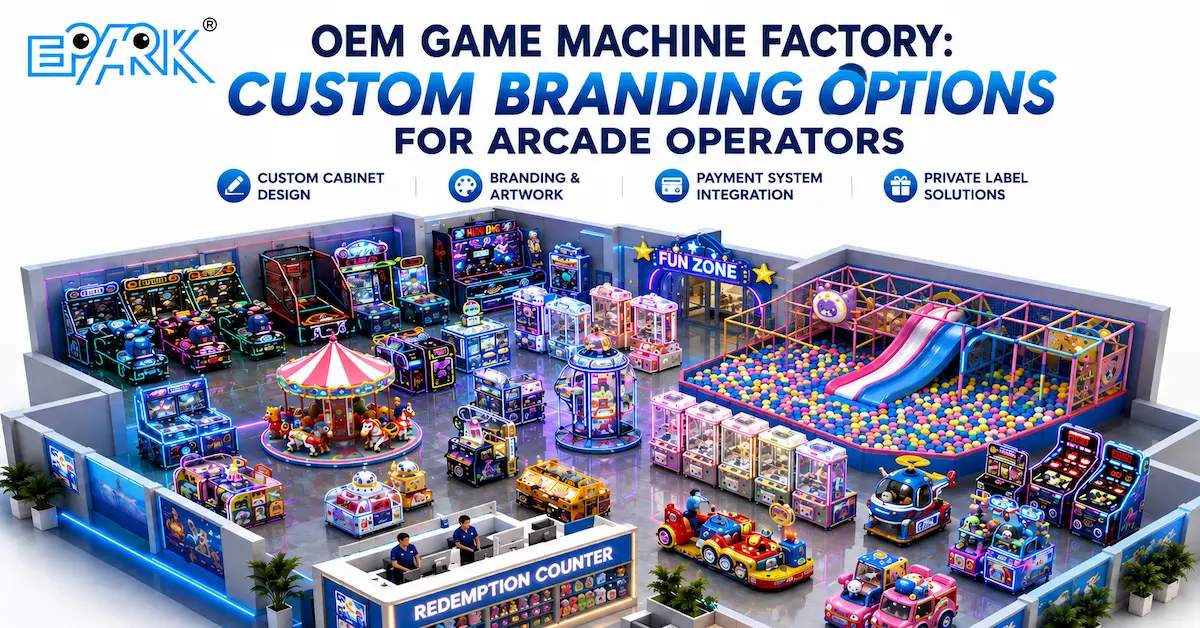
OEM customization can include:
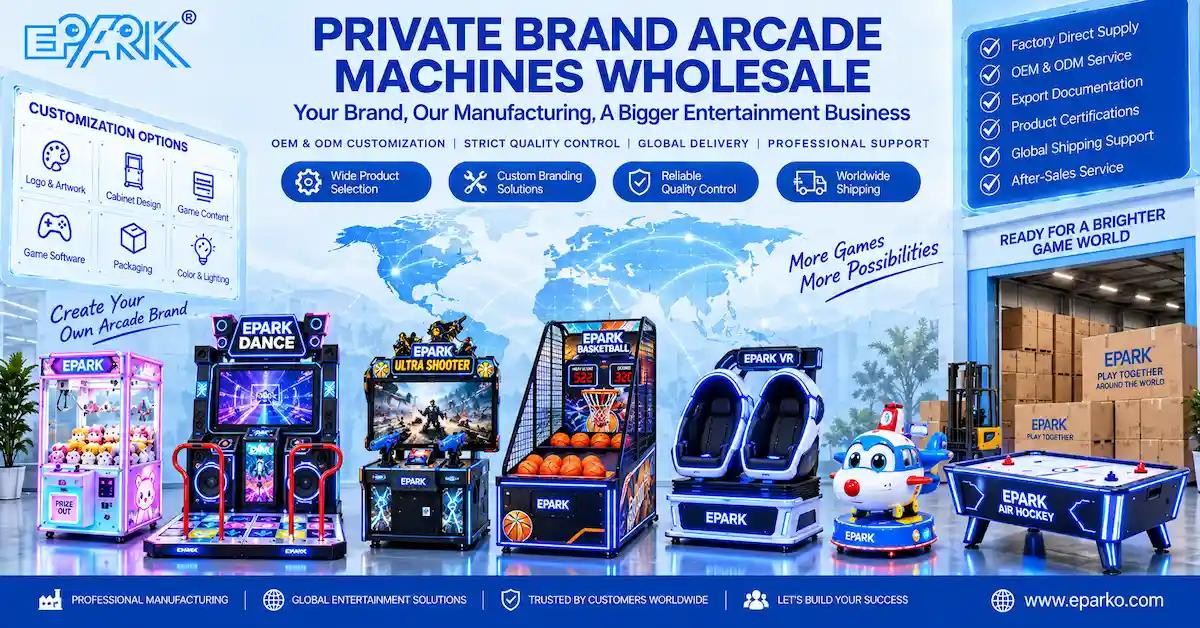
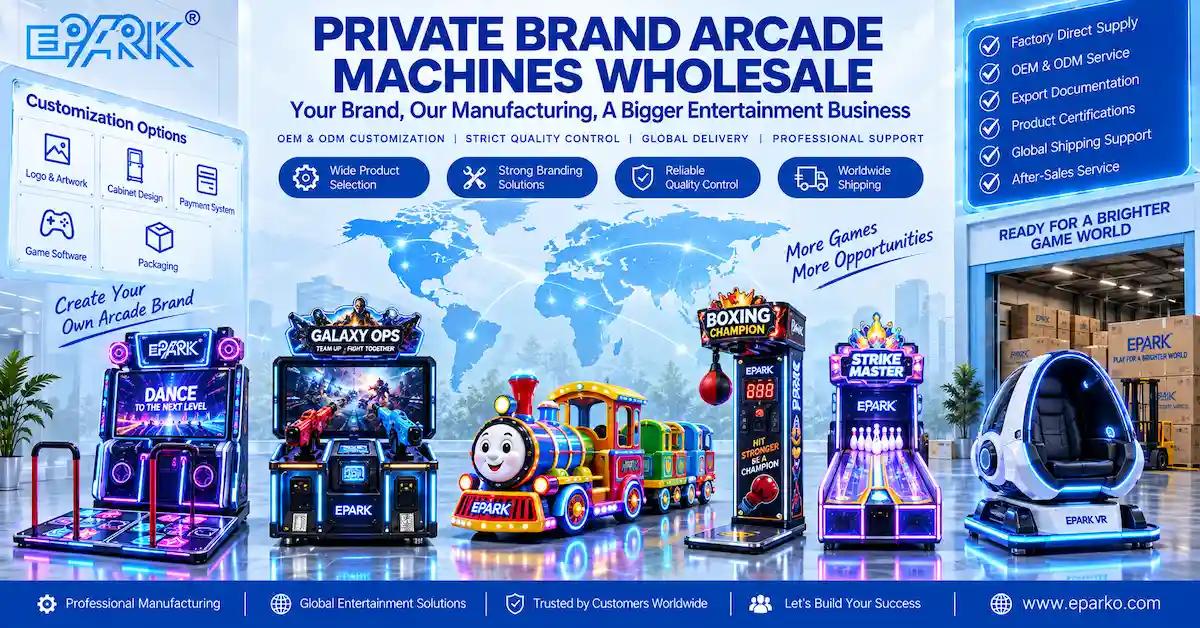
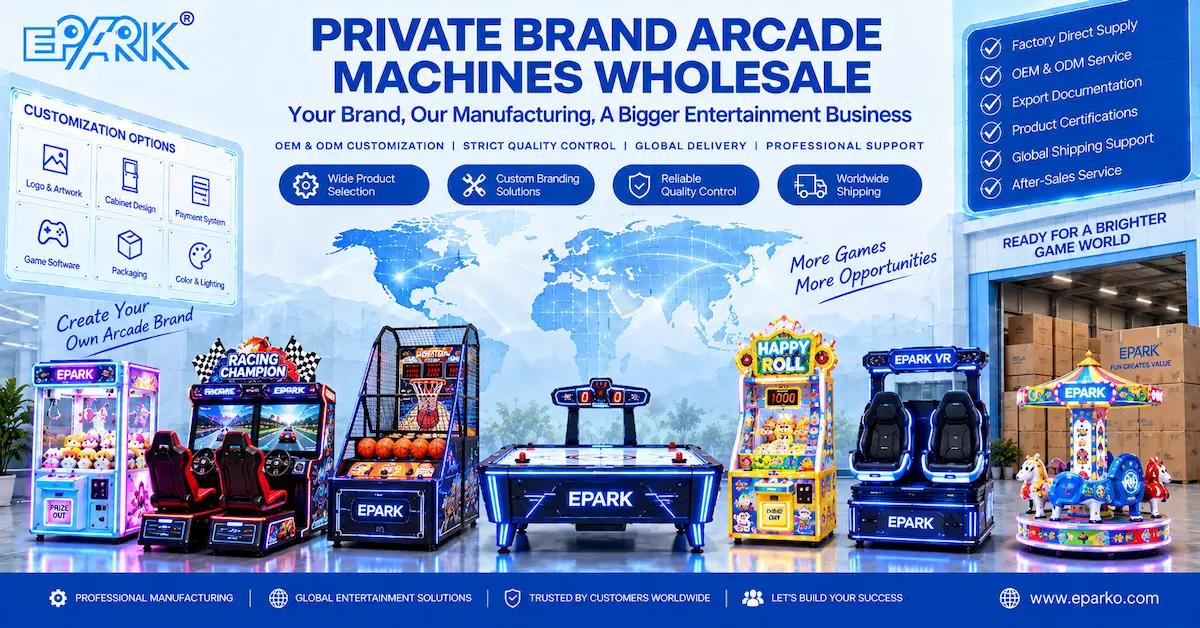
- Custom cabinet design
- Logo and brand integration
- Artwork and visual customization
- Payment system configuration
- Language adaptation
- Packaging customization
- Private label production
- Special product development
However, OEM is not simply adding a logo to an existing machine. A professional OEM partner should help transform business requirements into commercially reliable arcade equipment.
For buyers evaluating manufacturers, understanding OEM capability is important because the factory's design ability, production control, and technical support directly affect the success of the final arcade project.
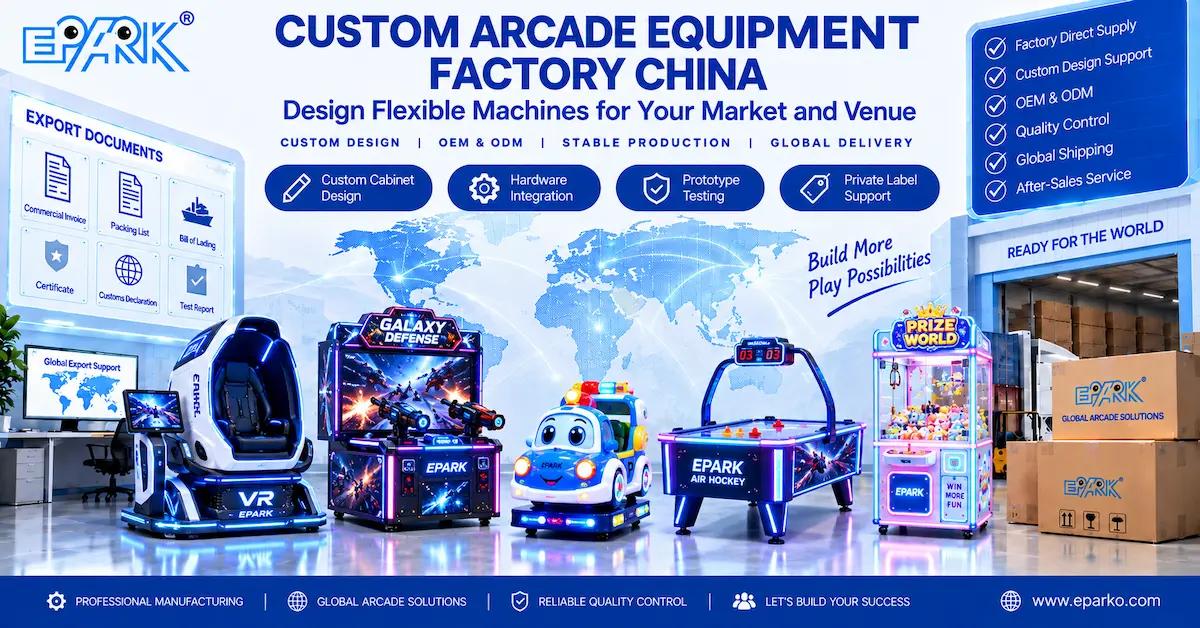
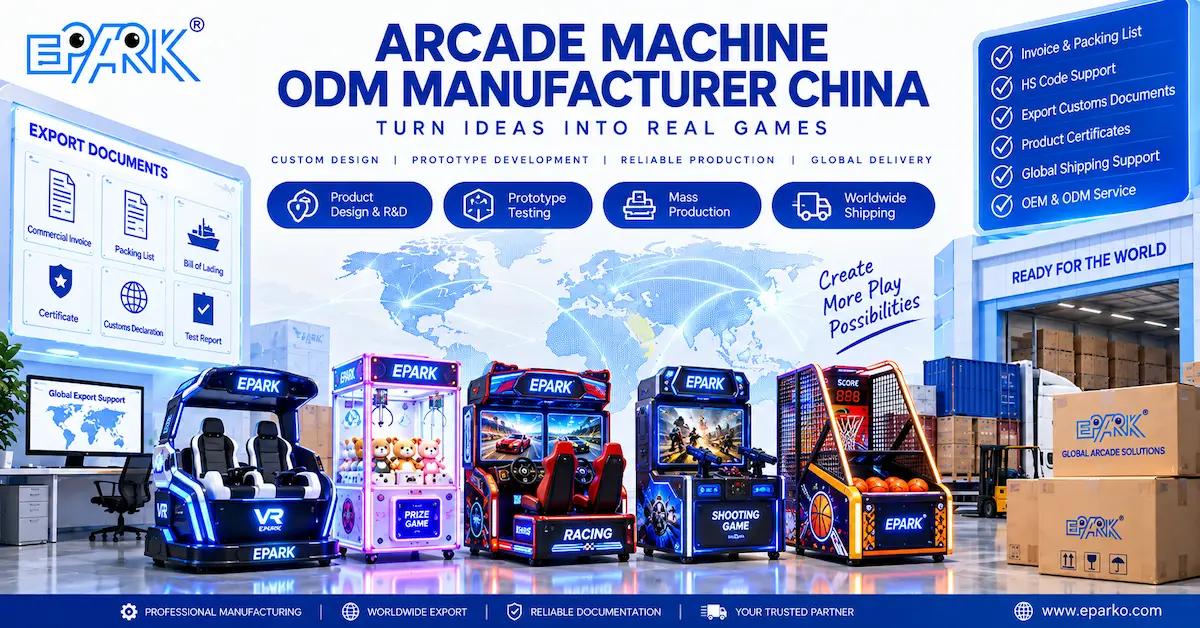
EPARK provides commercial arcade equipment solutions for operators, distributors, and entertainment projects, combining product manufacturing, customization support, and project services. Learn more about EPARK’s manufacturing capabilities on the arcade machine manufacturer page.
What Is an OEM Game Machine Factory?
An OEM game machine factory is a manufacturer that produces arcade and amusement equipment based on customer requirements rather than only selling standard models.
Unlike traditional trading companies or general suppliers, an OEM manufacturer participates in product development, customization, production management, and quality verification.
For commercial arcade projects, OEM capability usually includes three levels:
Level 1: Brand Customization
This is the most common requirement for arcade operators.
Examples include:
- Adding company logos
- Changing cabinet colors
- Applying custom artwork
- Adjusting machine appearance
- Creating branded packaging
This option is suitable for businesses that want stronger brand recognition while keeping the original machine structure.
Level 2: Product Configuration Customization
Some buyers require adjustments beyond appearance.
Examples include:
- Different payment systems
- Different voltage requirements
- Local language settings
- Modified game settings
- Additional accessories
- Different control components
This level is common for international distributors and operators entering different markets.
Level 3: Product Development and ODM Support
For larger brands and long-term partners, OEM factories may support deeper customization.
This can involve:
- New cabinet concepts
- Special machine structures
- Unique entertainment solutions
- Customized product series
This approach allows brands to create differentiated products instead of competing only through price.
Why Arcade Operators Need Custom Branding Options
Build a Stronger Venue Identity
Modern entertainment venues compete through customer experience, not only equipment quantity.
A customized arcade machine can help connect equipment appearance with the overall venue identity.
For example:
A children's FEC may prefer:
- Bright colors
- Friendly graphics
- Cartoon-style designs
- Interactive visual elements
A premium entertainment center may prefer:
- Modern cabinet designs
- Professional lighting effects
- High-end visual presentation
- Consistent brand styling
When machines match the venue theme, customers can immediately recognize the entertainment environment.
Differentiate From Competitors
Many arcade operators purchase similar machines from the market. While these machines may provide reliable gameplay, they often create similar experiences between different venues.
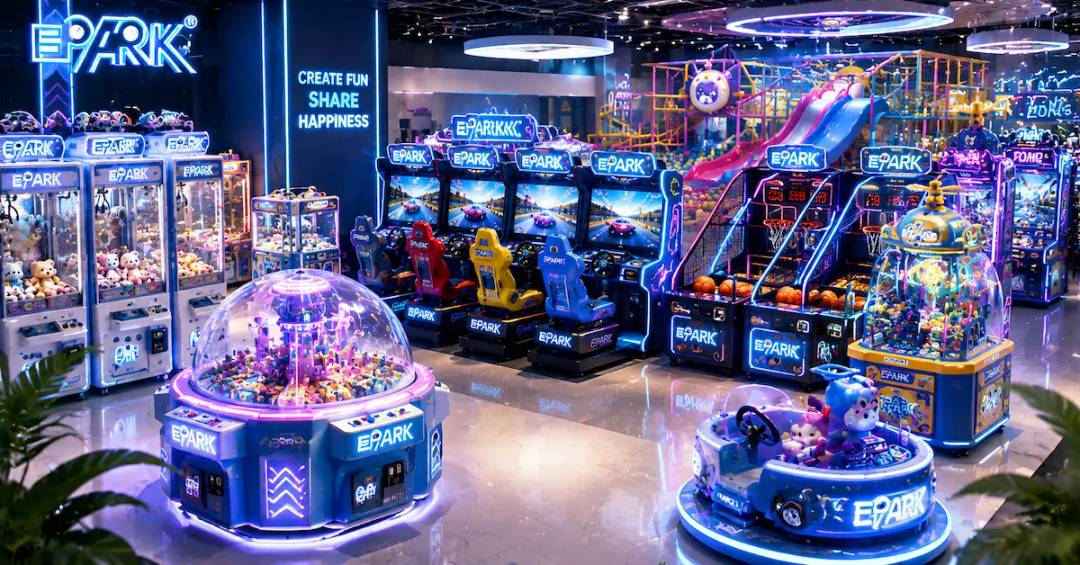
OEM customization helps businesses differentiate through:
- Unique cabinet appearance
- Custom graphics
- Brand colors
- Exclusive machine combinations
- Private-label products
For arcade chains and distributors, this differentiation can become a long-term market advantage.
Adapt Equipment to Different Markets
International arcade operators often face different requirements depending on their region.
Customization may involve:
- Local payment methods
- Different electrical standards
- Language options
- Regional design preferences
- Customer age groups
- Venue formats
A flexible OEM game machine factory can help buyers adapt equipment before shipment instead of making costly modifications after arrival.
What Can an OEM Game Machine Factory Customize?
A professional OEM manufacturer can provide different customization options depending on the project scope.
| Customization Area | Examples | Business Value |
|---|---|---|
| Cabinet Design | Shape, color, structure, materials | Creates unique appearance |
| Logo Branding | Logo printing, decals, front panel design | Improves brand recognition |
| Artwork Design | Graphics, themes, visual elements | Enhances customer attraction |
| Lighting System | LED colors and effects | Creates stronger visual impact |
| Payment System | Coin, card, QR payment solutions | Matches local operation needs |
| Software Settings | Language, interface, game configuration | Supports different markets |
| Packaging | Private-label boxes and materials | Builds consistent branding |
Custom Arcade Machines for Different Business Models
OEM requirements are different depending on the buyer type.
Arcade Operators
Main requirements:
- Unique venue appearance
- Better customer experience
- Consistent machine style
- Easy operation and maintenance
Typical products:
- Claw machines
- Redemption games
- Racing simulators
- Basketball arcade machines
- Interactive games
You can explore EPARK’s range of commercial arcade machines for different entertainment scenarios.
FEC Investors
Family entertainment centers usually need a balanced equipment combination.
OEM advantages include:
- Matching machines with venue themes
- Creating branded attraction zones
- Supporting different age groups
- Building memorable experiences
A successful FEC project normally requires more than individual machines. Equipment selection, layout planning, customer flow, and operation strategy should work together.
Distributors and Private Label Brands
For distributors, OEM provides opportunities to create their own product portfolio.
Benefits include:
- Exclusive designs
- Regional market differentiation
- Private branding
- Long-term product cooperation
Instead of selling identical machines from multiple suppliers, distributors can build stronger market positioning with customized equipment.
OEM Game Machine Factory vs Standard Arcade Machine Supplier
Before choosing an OEM partner, buyers should understand the difference between standard purchasing and OEM cooperation.
| Comparison | Standard Arcade Machine Supplier | OEM Game Machine Factory |
|---|---|---|
| Product Options | Fixed models | Customized solutions |
| Branding | Limited | Full brand integration |
| Cabinet Design | Standard appearance | Custom appearance |
| Software Settings | Usually fixed | Adjustable options |
| Packaging | Standard export packing | Private-label options |
| Best For | Small orders and quick purchase | Brands, operators, distributors |
| Differentiation | Lower | Higher |
OEM is usually more suitable for businesses that consider arcade equipment as part of their long-term brand strategy.
Key Factors to Evaluate Before Choosing an OEM Game Machine Factory
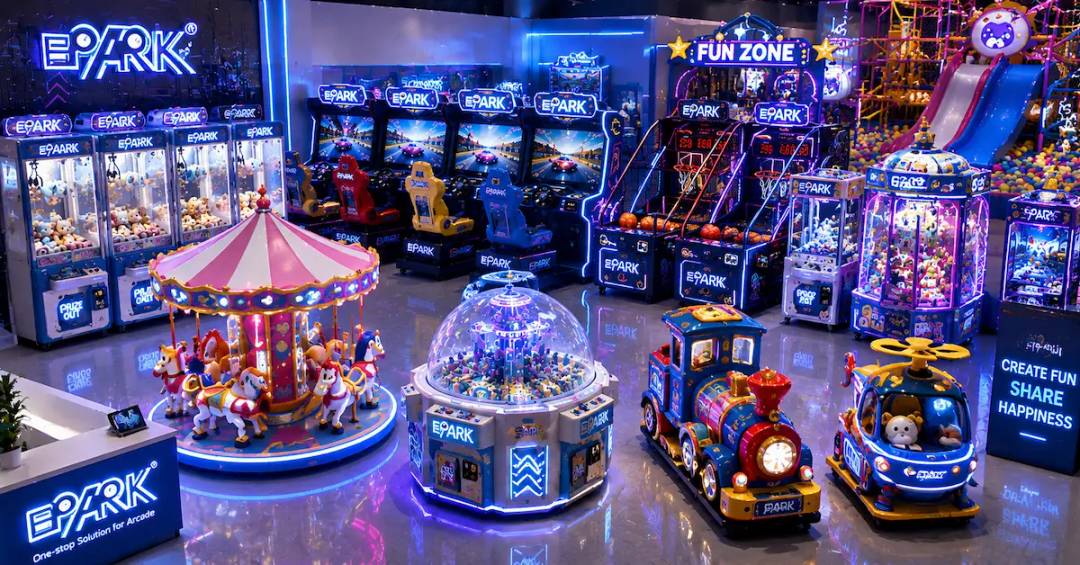
Choosing an OEM supplier requires more than checking whether customization is available.
Buyers should evaluate:
Manufacturing Capability
A reliable OEM partner should understand:
- Product design
- Engineering requirements
- Production process
- Component selection
- Testing procedures
A factory should be able to explain how customer requirements move from concept to final production.
Quality Control Process
Customization increases project complexity, which makes quality control even more important.
Buyers should confirm whether the manufacturer checks:
- Cabinet quality
- Electronic components
- Wiring
- Displays
- Controls
- Payment systems
- Final machine operation
OEM products require both customization accuracy and commercial reliability.
Communication and Documentation
Clear communication reduces customization risk.
Before production, buyers should confirm:
- Approved artwork
- Cabinet specifications
- Logo files
- Payment configuration
- Voltage requirements
- Packaging details
- Delivery schedule
A professional OEM supplier should document important requirements before mass production.
OEM Arcade Machine Development Process: From Concept to Production
A successful OEM arcade project requires a structured development process. Without clear communication between the buyer and manufacturer, customization can create unexpected delays, additional costs, or production mistakes.
A professional OEM game machine factory should guide buyers through each stage, from initial requirements to final delivery.
Step 1: Project Requirement Discussion
The OEM process usually starts with understanding the buyer’s business requirements.
Important information includes:
- Target market
- Venue type
- Customer age group
- Machine category
- Quantity requirements
- Branding goals
- Payment requirements
- Voltage and language requirements
- Packaging expectations
For example, a shopping mall arcade, family entertainment center, and distributor may require completely different customization solutions.
A factory that understands the commercial purpose behind the order can recommend more suitable equipment configurations.
Step 2: Design and Customization Confirmation
After requirements are confirmed, the manufacturer develops the customization plan.
This stage may include:
- Cabinet appearance design
- Logo placement
- Artwork confirmation
- Color selection
- Component selection
- Interface customization
- Packaging design
Before production begins, buyers should review and approve all important details.
A clear approval process helps prevent issues such as incorrect artwork, unsuitable dimensions, or missing customization requirements.
Step 3: Prototype and Sample Verification
For complex OEM projects, sample verification can reduce production risk.
The buyer and manufacturer can evaluate:
- Machine appearance
- User experience
- Gameplay performance
- Hardware configuration
- Branding details
- Operating functions
Prototype testing is especially valuable for:
- New machine designs
- Large-volume orders
- Private-label products
- Exclusive market products
Step 4: Mass Production
After approval, the manufacturer begins production.
A professional arcade machine production process may include:
- Cabinet manufacturing
- Component assembly
- Electrical installation
- Software configuration
- Branding application
- Functional testing
During production, communication between the buyer and factory remains important, especially for customized products.
Step 5: Quality Inspection and Testing
Before shipment, OEM arcade machines should undergo final inspection.
Typical checks include:
- Cabinet appearance
- Screen performance
- Control buttons
- Joysticks
- Sensors
- Lighting systems
- Payment systems
- Game functions
- Safety-related components
For commercial operators, quality inspection before shipment helps reduce expensive problems after installation.
How OEM Customization Affects Cost and Lead Time
Many buyers assume OEM always means simply paying more for a logo change. In reality, customization costs depend on the complexity of the project.
Common factors affecting OEM costs include:
| Cost Factor | Impact |
|---|---|
| Cabinet modification | More structural changes increase development effort |
| Artwork design | Custom graphics require additional design work |
| Hardware changes | New components may require engineering adjustment |
| Software customization | Interface and function changes require testing |
| Order quantity | Larger quantities can reduce unit customization cost |
| Packaging requirements | Private packaging adds production work |
Lead time may also change depending on:
- Design approval speed
- Sample confirmation
- Component availability
- Production schedule
- Testing requirements
For buyers planning a venue opening date, OEM discussions should begin early to allow enough time for design, production, shipping, and installation.
How to Reduce OEM Project Risks
OEM provides valuable customization opportunities, but it also requires better project management.
Buyers can reduce risk by following several practices.
Confirm Specifications Before Production
Before manufacturing starts, confirm:
- Final drawings
- Machine dimensions
- Logo files
- Artwork
- Colors
- Payment systems
- Electrical requirements
- Accessories
Written confirmation reduces misunderstandings between buyers and manufacturers.
Choose a Factory With Production Experience
A reliable OEM game machine factory should be able to demonstrate:
- Manufacturing capability
- Previous customization experience
- Quality-control procedures
- Technical support capability
- Export experience
The goal is not only receiving customized machines but receiving machines that can operate reliably in a commercial environment.
Prepare Spare Parts and Technical Support
Commercial arcade equipment operates continuously, so maintenance support is an important consideration.
Before ordering, buyers should discuss:
- Spare parts availability
- Troubleshooting support
- Technical documentation
- Remote assistance
- Replacement procedures
This helps reduce downtime after the venue opens.
How EPARK Supports OEM Arcade Machine Projects
EPARK provides commercial amusement equipment solutions for arcade operators, distributors, and entertainment projects.
As an arcade equipment manufacturer, EPARK supports customers with:
- Arcade machine customization
- OEM and ODM cooperation
- Cabinet and appearance customization
- Branding integration
- Equipment solutions for different venues
- Production and quality control support
- Technical assistance
For businesses looking for customized arcade equipment, EPARK can help evaluate project requirements and recommend suitable solutions based on venue type, target customers, and operating goals.
Learn more about EPARK’s OEM arcade machine solutions and discuss your customization requirements with the team.
FAQ About OEM Game Machine Factory Services
What is an OEM game machine factory?
An OEM game machine factory is a manufacturer that produces arcade and amusement equipment based on customer requirements, including branding, design, configuration, and product customization.
Can arcade machines be customized with my company logo?
Yes. OEM arcade manufacturers can usually customize machine branding through logo printing, cabinet graphics, decals, interface design, and packaging options.
What arcade machines can be customized?
Depending on the manufacturer’s capability, OEM customization can apply to claw machines, redemption games, racing simulators, basketball machines, VR arcade equipment, and other commercial amusement machines.
What is the difference between OEM and standard arcade machines?
Standard machines usually use fixed designs and configurations, while OEM machines allow businesses to customize appearance, branding, functions, and market-specific requirements.
Do OEM arcade machines require larger order quantities?
MOQ requirements depend on the level of customization and manufacturer policy. Simple branding changes may require lower quantities, while new product development usually requires larger investment.
How long does OEM arcade machine production take?
Production time depends on customization complexity, quantity, design approval, component availability, and testing requirements. Buyers should confirm timelines with the factory before ordering.
Can payment systems be customized for different markets?
Many OEM manufacturers can support different payment options, including coin systems, card systems, and other local payment solutions depending on machine configuration.
What information should I provide before requesting OEM customization?
Buyers should prepare information such as machine type, quantity, target market, branding requirements, artwork files, payment preferences, voltage requirements, and delivery expectations.
How do I choose a reliable OEM arcade machine manufacturer?
Evaluate manufacturing capability, customization experience, quality-control procedures, communication process, technical support, and after-sales service before making a decision.
Why should arcade operators consider OEM equipment?
OEM equipment helps operators create differentiated venues, strengthen brand identity, adapt machines to local markets, and develop unique entertainment experiences.
Conclusion
For arcade operators, OEM customization is more than changing the appearance of a machine. It is a way to build equipment that matches a business strategy, venue identity, and customer experience.
Choosing the right OEM game machine factory allows businesses to move from standard equipment purchasing to long-term product development and brand building.
A capable OEM partner should provide more than manufacturing. It should support design communication, production control, quality verification, customization management, and technical assistance throughout the project.
For arcade operators, distributors, and FEC investors, the right OEM partnership can create more unique entertainment products while reducing the risks involved in developing customized arcade equipment.
If you are planning a custom arcade project, contact EPARK to discuss your machine requirements, branding ideas, and OEM possibilities.
Disclaimer
The information provided on this website is for general informational purposes only.
While EPARK Arcade Game Machine Manufacturer strives to ensure accuracy and reliability, no warranties—express or implied—are made regarding completeness, performance, or applicability.
Product specifications, designs, and features may vary depending on usage, customization, and customer requirements.
Buyers are responsible for verifying all technical details, compliance certifications, and suitability before procurement.
EPARK shall not be held liable for any direct, indirect, incidental, or consequential damages arising from the use of this website or its content, including but not limited to business losses, data errors, or equipment misuse.
For tailored solutions or further verification, please visit our Contact Us
Intellectual Property Notice
All articles, product images, videos, catalogs, software, and related materials published on this website are the intellectual property of EPARK, unless otherwise stated.
Unauthorized reproduction, distribution, modification, or commercial use of any content is strictly prohibited without prior written consent from EPARK.
EPARK reserves the right to take legal action against any unauthorized use, including but not limited to copyright infringement, misrepresentation, or unfair competition.
Trademarks
The name EPARK, the EPARK logo, and all related brand elements displayed on this website are registered trademarks or trade names of Guangzhou EPARK Electronic Technology Co., Ltd.
Other product names, company names, or logos mentioned on this site may be trademarks of their respective owners.
Unauthorized use of EPARK's trademarks for commercial purposes, including advertising, promotions, or product packaging, is strictly prohibited.
Governing Law
These terms are governed by the laws of the People's Republic of China.