

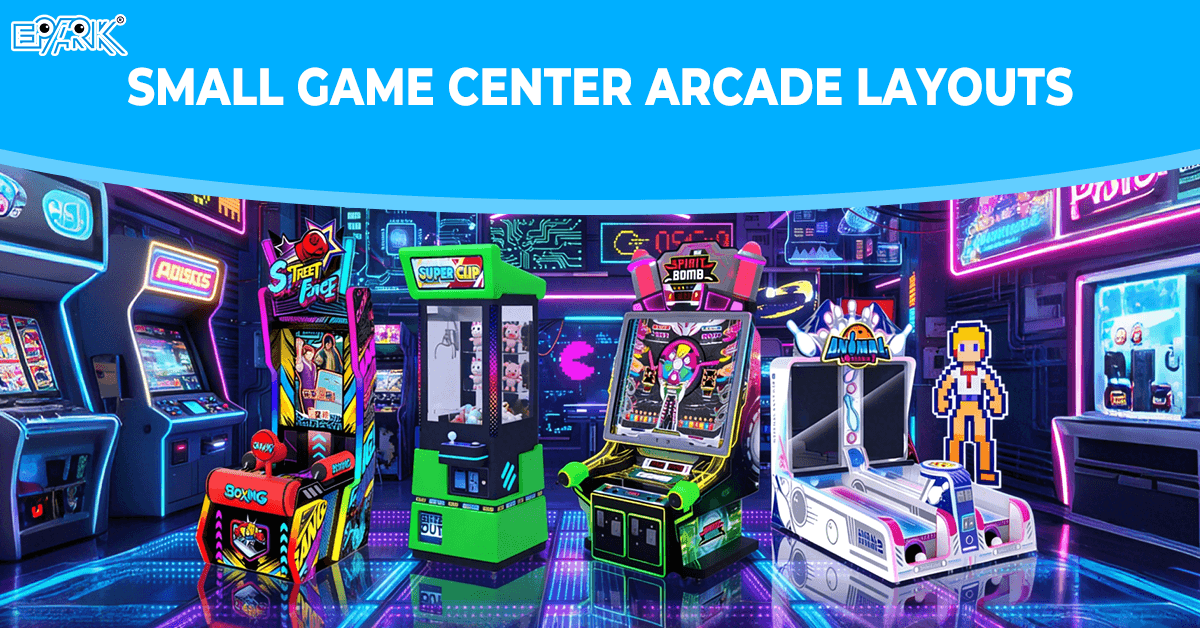
Introduction
Opening a small arcade can be a profitable opportunity for investors, shopping mall operators, and family entertainment center (FEC) owners. With the growing demand for interactive indoor entertainment, arcade games remain one of the most effective attractions for increasing customer traffic and engagement. However, for B2B buyers and venue planners, the success of a small game center often depends on one key factor: a well-planned arcade layout.
Unlike large entertainment complexes, small arcades usually operate within limited floor space. These venues are often located in shopping malls, cinemas, tourist areas, or indoor playgrounds where every square meter matters. Without proper planning, machines may be overcrowded, traffic flow can become confusing, and revenue potential may be reduced.
A smart arcade layout allows operators to maximize the number of machines, improve player movement, and create an attractive gaming environment. By combining the right mix of arcade games with strategic zoning and efficient space planning, even a small venue can generate strong returns.
In this guide, we will explore practical arcade layout ideas for small game centers, including recommended space sizes, machine placement strategies, and professional design tips that help operators increase revenue per square meter.
If you are planning to build a new arcade venue, you may also find our guide on how to start an arcade business helpful when preparing your investment strategy.
 What Defines a Small Game Center?
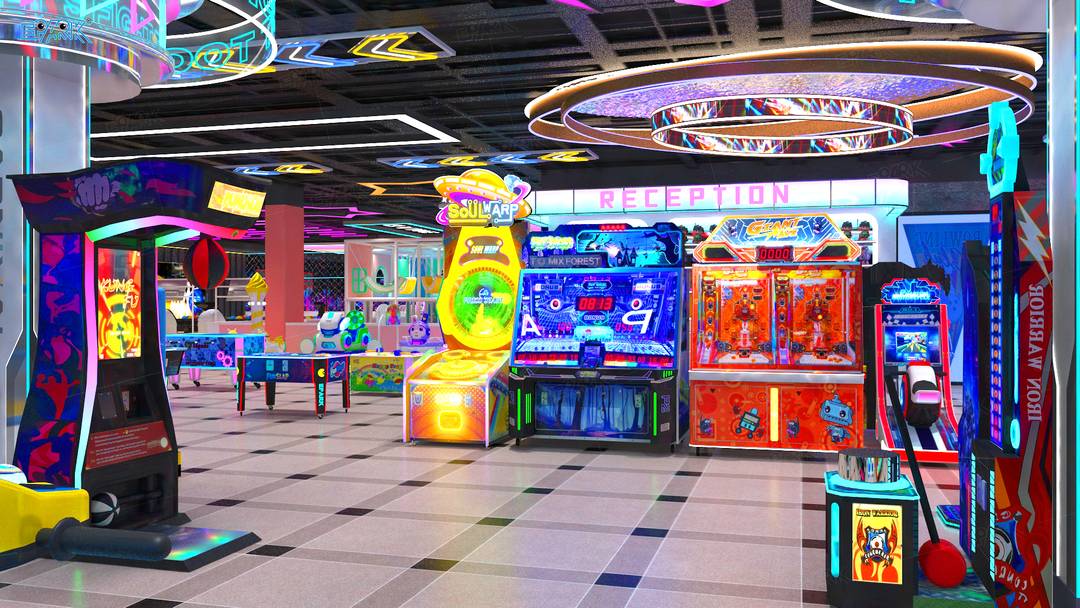
Before discussing layout strategies, it is important to understand what qualifies as a small arcade or game center. In the amusement industry, most small arcades fall within a range of 50 m² to 200 m² (approximately 540–2,150 sq ft). This space allows operators to install a selection of arcade machines while maintaining comfortable movement for players.
Small game centers are commonly located in:
-
Shopping malls
-
Indoor playground facilities
-
Cinema entertainment areas
-
Tourist destinations
-
Retail complexes
-
Family entertainment centers
Because these venues operate within limited space, operators must focus on high-performance arcade games that attract consistent player engagement. Popular machines such as claw machines, redemption games, and compact video games often deliver strong performance in smaller venues.
The table below shows typical space categories for small arcades:
| Arcade Type | Floor Area | Estimated Machines | Typical Locations |
|---|---|---|---|
| Mini Arcade | 50–80 m² | 8–12 machines | Mall kiosks |
| Compact Arcade | 80–120 m² | 12–18 machines | Retail centers |
| Small Game Center | 120–200 m² | 18–30 machines | Entertainment venues |
Understanding your available space is the first step toward creating an efficient arcade layout that balances machine capacity and player comfort.
Key Principles for Designing a Small Arcade Layout
Creating a successful arcade environment requires careful planning. Instead of simply placing machines randomly, operators should design the layout based on player behavior, traffic flow, and revenue potential.
Maximize Revenue per Square Meter
For small venues, the goal is to generate the highest possible return from limited floor space. This means prioritizing arcade machines with high player turnover and strong replay value.
Machines that perform well in small arcades include:
-
Claw machines
-
Redemption arcade games
-
Capsule vending machines
-
Compact video arcade games
-
Kids amusement rides
These machines usually occupy less space while encouraging repeat gameplay. For example, redemption arcade games allow players to earn tickets and exchange them for prizes, which increases replay frequency.
Below is a comparison of common arcade game types and their typical space requirements:
| Machine Type | Average Space Needed | Player Turnover | Revenue Potential |
|---|---|---|---|
| Claw Machine | 1.5–2 m² | High | High |
| Redemption Game | 2–3 m² | High | High |
| Racing Simulator | 4–6 m² | Medium | Medium |
| Basketball Arcade Game | 4–5 m² | Medium | Medium |
By focusing on compact but engaging arcade games, operators can significantly increase revenue per square meter.
Create Clear Player Traffic Flow
A successful arcade layout should guide visitors naturally through the venue. When customers enter the arcade, they should easily see multiple machines and feel encouraged to explore the space.
Industry design recommendations typically include:
-
Maintain walkways of at least 1.2–1.5 meters
-
Avoid blocking entrances with large machines
-
Place visually attractive games near the front
-
Lead players deeper into the arcade with featured attractions
Good traffic flow improves machine visibility and ensures that players can move comfortably throughout the venue. This often results in longer playtime and increased spending on arcade games.
Separate Zones for Different Arcade Games
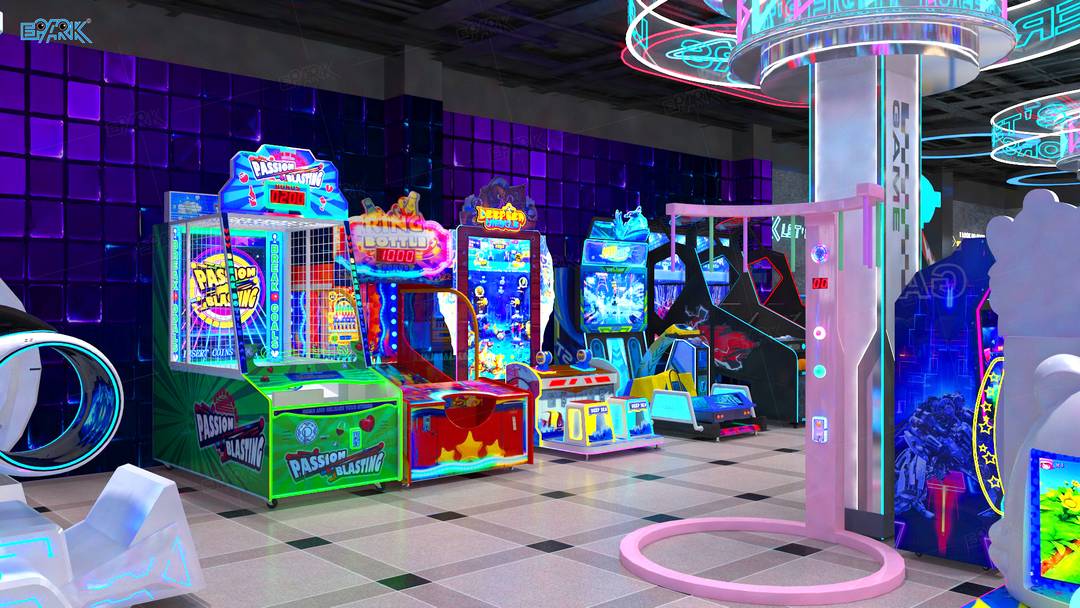
Even in small spaces, organizing machines into zones can improve the player experience and reduce congestion. Zoning helps visitors quickly identify different types of arcade games and navigate the venue more easily.
Typical arcade zones include:
Prize Game Zone
This section usually contains claw machines and capsule vending machines. Because of their visual appeal, these machines are often placed near the entrance.
Redemption Game Zone
Ticket redemption arcade games encourage friendly competition and repeated play. They are typically placed in central areas.
Kids Game Area
Small rides and simple arcade games designed for children are grouped together to create a family-friendly environment.
Feature Attraction Zone
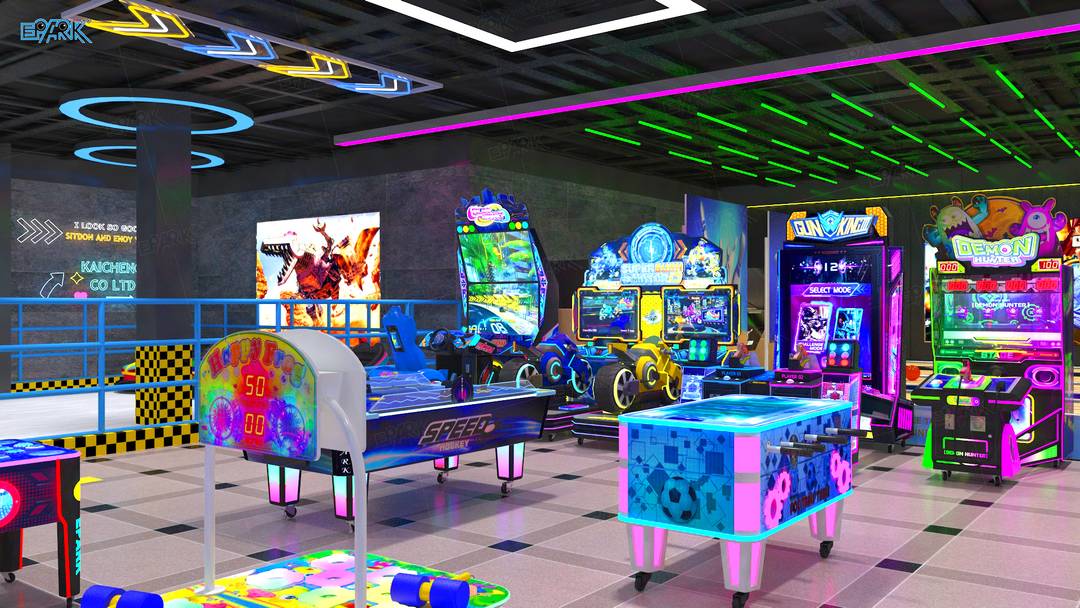
Larger machines such as racing simulators, shooting games, or VR arcade games act as highlight attractions.
Proper zoning helps improve player flow and overall arcade atmosphere.
 Recommended Arcade Layout Ideas by Space Size
Different venue sizes require different layout approaches. The following examples provide practical guidance for planning small arcade spaces.
50–80 m² Mini Arcade Layout
A mini arcade is ideal for compact retail spaces such as mall kiosks or small entertainment corners. In this setup, operators should prioritize compact arcade machines with high engagement rates.
Recommended machine mix:
-
4–6 claw machines
-
3–4 redemption arcade games
-
1 small racing or shooting game
-
1 kids ride
Machines are typically installed along the walls to maximize usable floor space. Smaller arcade games can be placed in the center to maintain an open walkway.
| Layout Feature | Recommendation |
|---|---|
| Total machines | 8–12 |
| Walkway width | Minimum 1.2 m |
| Machine type focus | Prize & redemption games |
| Target customers | Families and casual players |
This layout is commonly used in shopping centers where operators want to generate consistent revenue from compact arcade games.
80–120 m² Compact Arcade Layout
This space size allows for more variety in arcade machines while still maintaining a comfortable environment.
Typical machine configuration:
-
6–8 claw machines
-
5–6 redemption arcade games
-
2 racing or shooting games
-
1 basketball arcade game
-
1 kids ride
A popular approach for this size is the two-row arcade layout, where machines are arranged in parallel rows with a central walkway.
Benefits include:
-
Improved machine visibility
-
Better player circulation
-
Balanced distribution of arcade games
This design works well in medium-traffic locations such as shopping malls or indoor entertainment zones.
120–200 m² Small Entertainment Arcade
With up to 200 m² of space, operators can create a more complete arcade experience.
Recommended machine setup:
-
10–12 claw machines
-
6–8 redemption arcade games
-
2 racing simulators
-
1 basketball arcade game
-
1 VR arcade attraction
-
2 kids rides
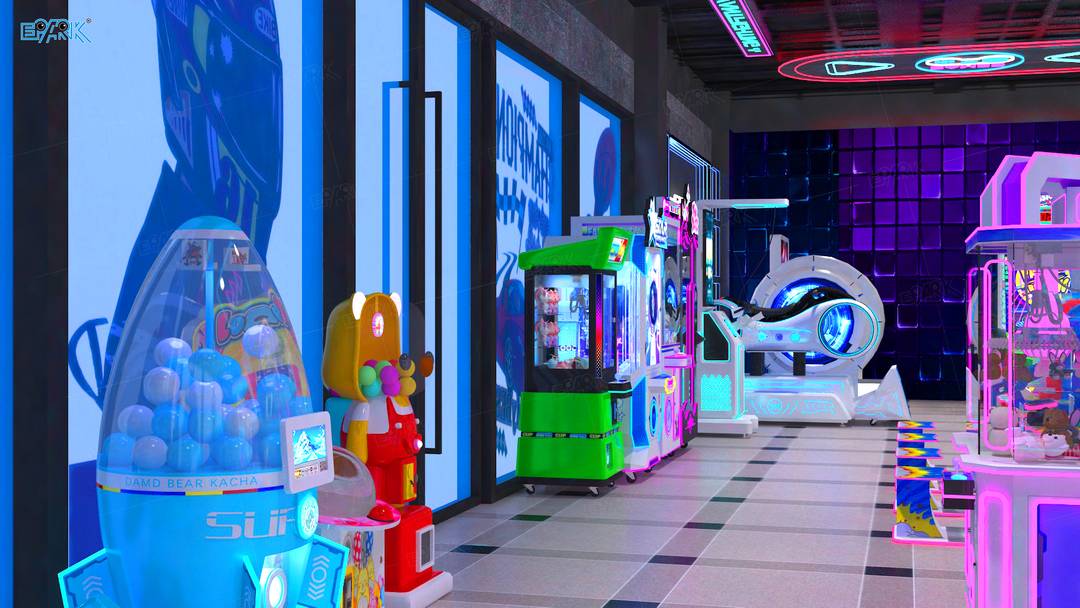
Designers often place large attraction machines at the back of the venue. This encourages visitors to walk through the entire arcade and discover more games.
This type of layout can support 18–30 machines while maintaining comfortable traffic flow.
 Space Planning Tips for Small Game Centers
Effective space planning allows operators to maximize machine placement while ensuring players enjoy a comfortable experience.
Use Wall Placement Efficiently
Walls are valuable areas for installing arcade machines without disrupting player movement.
Machines suitable for wall placement include:
-
Claw machines
-
Capsule vending machines
-
Prize display shelves
This layout keeps the central area open for larger arcade games and interactive attractions.
Focus on High-Visibility Arcade Machines
Arcades depend heavily on visual appeal to attract players. Machines with dynamic lighting, sound effects, and movement naturally capture attention.
Examples include:
-
Basketball arcade games
-
Racing simulators
-
LED claw machines
Placing these machines near the entrance helps convert passing visitors into players.
Maintain Comfortable Player Space
While maximizing machine count is important, overcrowding can negatively affect the customer experience.
Operators should ensure:
-
Enough standing room for players
-
Clear walking paths between machines
-
Good visibility for spectators
Industry recommendations typically suggest 1.2–1.5 meters of space between machine rows.
Common Arcade Layout Mistakes to Avoid
Even experienced operators sometimes make layout mistakes that reduce profitability.
Common issues include:
Installing too many large machines
Large attractions can consume valuable floor space and reduce overall machine capacity.
Blocking entrances
Crowded entrances make the arcade appear uninviting and limit customer flow.
Ignoring traffic patterns
Without proper traffic planning, some arcade games may receive less visibility and fewer players.
Mixing incompatible game types
Children’s arcade games should be separated from more competitive skill games.
Avoiding these mistakes helps maintain a comfortable and profitable arcade environment.
 Conclusion
A successful small arcade is not only about choosing the right arcade machines. The layout strategy plays a major role in determining revenue potential, customer engagement, and overall venue efficiency.
By carefully planning space usage, organizing arcade games into zones, and maintaining clear player traffic flow, operators can transform a limited venue into a profitable entertainment destination.
Whether your space is 50 m² or 200 m², a well-designed arcade layout will increase machine visibility, improve the player experience, and maximize return on investment.
If you are exploring equipment options, you may also want to read our guide on most profitable arcade machines for business to help choose the best games for your venue.
Start Planning Your Arcade Layout Today
Planning a new arcade or upgrading an existing game center requires the right combination of arcade layout design and high-quality arcade machines.
Our team provides:
-
Professional arcade layout planning
-
Custom arcade machine recommendations
-
Complete solutions for small game centers and FEC projects
If you want to build a profitable entertainment venue, contact us today for a free arcade layout consultation and project proposal.
Disclaimer
The information provided on this website is for general informational purposes only.
While EPARK Arcade Game Machine Manufacturer strives to ensure accuracy and reliability, no warranties—express or implied—are made regarding completeness, performance, or applicability.
Product specifications, designs, and features may vary depending on usage, customization, and customer requirements.
Buyers are responsible for verifying all technical details, compliance certifications, and suitability before procurement.
EPARK shall not be held liable for any direct, indirect, incidental, or consequential damages arising from the use of this website or its content, including but not limited to business losses, data errors, or equipment misuse.
For tailored solutions or further verification, please visit our Contact Us
Intellectual Property Notice
All articles, product images, videos, catalogs, software, and related materials published on this website are the intellectual property of EPARK, unless otherwise stated.
Unauthorized reproduction, distribution, modification, or commercial use of any content is strictly prohibited without prior written consent from EPARK.
EPARK reserves the right to take legal action against any unauthorized use, including but not limited to copyright infringement, misrepresentation, or unfair competition.
Trademarks
The name EPARK, the EPARK logo, and all related brand elements displayed on this website are registered trademarks or trade names of Guangzhou EPARK Electronic Technology Co., Ltd.
Other product names, company names, or logos mentioned on this site may be trademarks of their respective owners.
Unauthorized use of EPARK's trademarks for commercial purposes, including advertising, promotions, or product packaging, is strictly prohibited.
Governing Law
These terms are governed by the laws of the People's Republic of China.