
Introduction
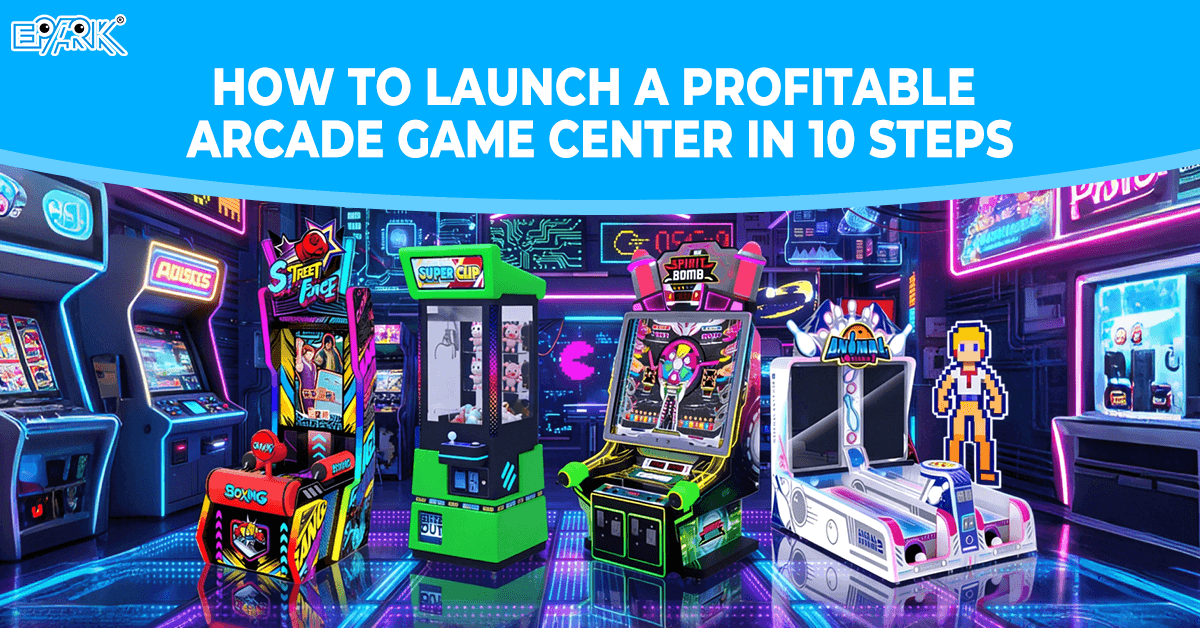
Opening an arcade game center is one of the most rewarding ventures in the entertainment industry. For B2B buyers and investors, understanding the step-by-step process of establishing a profitable arcade is essential. Success goes beyond just purchasing arcade machines; it requires strategic planning, smart machine selection, optimized layout, safety compliance, and effective marketing.
This guide provides 10 actionable steps to build a thriving arcade game center, helping you attract loyal visitors, maximize revenue, and establish a strong reputation in the family entertainment sector.
Step 1 – Conduct Market Research
Thorough market research is the foundation of any successful arcade game center.
-
Analyze Local Demand: Identify your target audience. Are you focusing on families with children, teenagers, or adults? Understanding peak hours and customer preferences helps tailor your arcade offerings.
-
Competitor Analysis: Examine other arcade game centers in your area. Look at their machine types, pricing strategies, and promotions to identify gaps you can fill.
-
Market Size Estimation: Use tools like Google Trends, footfall data, and local business reports to estimate potential revenue.
Example Table: Market Research Snapshot
| Factor | Data / Observation | Actionable Insight |
|---|---|---|
| Local Population | 150,000 in 5 km radius | Target family and teen segments |
| Existing Arcades | 3 within 10 km | Focus on VR and prize games to differentiate |
| Average Visit Frequency | 1–2 times per week | Consider loyalty programs |
 Step 2 – Define Your Arcade Concept
A clear concept ensures your arcade game center stands out.
-
Theme and Target Audience: Decide whether your center will cater to children, teens, or a mixed-age crowd. Family-focused arcades may emphasize kiddie rides and interactive arcade games, while teen-focused centers benefit from VR simulators and skill-based games.
-
Unique Selling Points (USPs): Highlight exclusive experiences like themed decor, interactive prize machines, or a membership-based rewards program.
-
Revenue Model Considerations: Determine if you'll charge per play, use prepaid cards, or offer subscription-based packages.
Step 3 – Plan Your Budget
Financial planning ensures sustainability.
-
Initial Setup Costs: Includes property lease, renovations, arcade machines, and furnishings. A medium-sized arcade (200–300 m²) may require $80,000–$150,000.
-
Operating Expenses: Staff, utilities, machine maintenance, insurance, and marketing are recurring costs, typically 20–30% of revenue.
-
ROI Estimation: A realistic target is recovering investment within 18–24 months for well-located arcades.
Example Table: Budget Breakdown
| Expense Category | Estimated Cost (USD) | Notes |
|---|---|---|
| Arcade Machines | 40,000–70,000 | Mix of VR simulators, racing games, prize games |
| Interior Renovation | 15,000–30,000 | Flooring, lighting, safety padding |
| Staff Salaries (Monthly) | 5,000–8,000 | 4–6 employees |
| Marketing & Promotions | 2,000–5,000 | Pre-launch campaigns and ongoing advertising |
Step 4 – Choose the Right Location
Location directly affects arcade performance.
-
High Footfall Areas: Malls, entertainment complexes, or tourist spots offer visibility and spontaneous traffic.
-
Accessibility and Parking: Convenient access is crucial for families.
-
Lease Considerations: Ensure lease flexibility for renovations and potential expansion.
 Step 5 – Select Arcade Machines and Equipment
Machine selection is crucial for revenue generation.
-
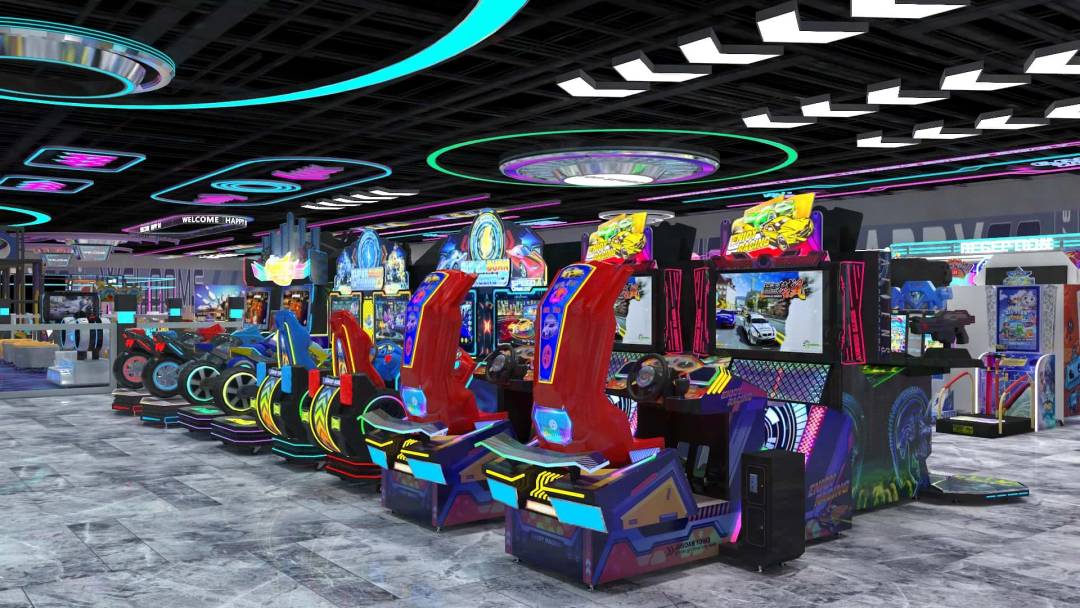
Machine Types: Offer a balanced mix:
-
Sports & Racing Games (basketball, racing simulators)
-
Kiddie Rides & Prize Games (claw machines, kiddie cars)
-
VR & Skill-Based Games (VR simulators, dance machines)
-
-
One-Stop vs Multiple Vendors: One supplier simplifies warranty and maintenance; multiple vendors may provide specialized machines.
-
Safety and Quality Standards: Ensure compliance with CE and ASTM certifications. Machines should withstand continuous commercial use.
Example Table: Machine ROI Comparison
| Machine Type | Cost (USD) | Avg Daily Revenue | Payback Period |
|---|---|---|---|
| VR Simulator | 12,000 | 150 | ~80 days |
| Claw Machine | 3,000 | 60 | ~50 days |
| Racing Simulator | 8,000 | 120 | ~67 days |
Step 6 – Design the Layout and Ambience
A professional layout improves visitor flow and engagement.
-
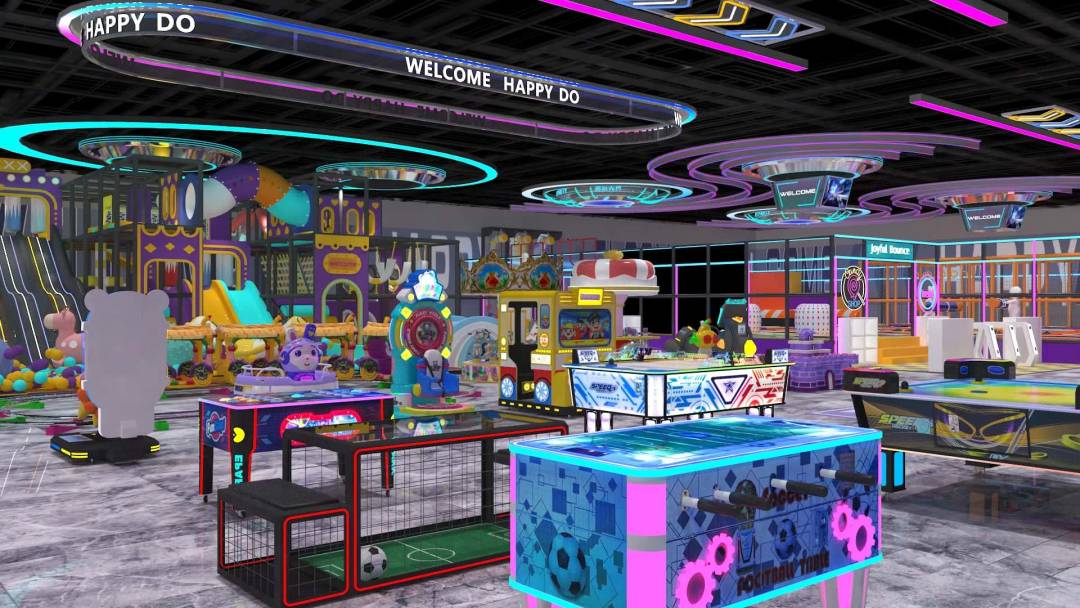
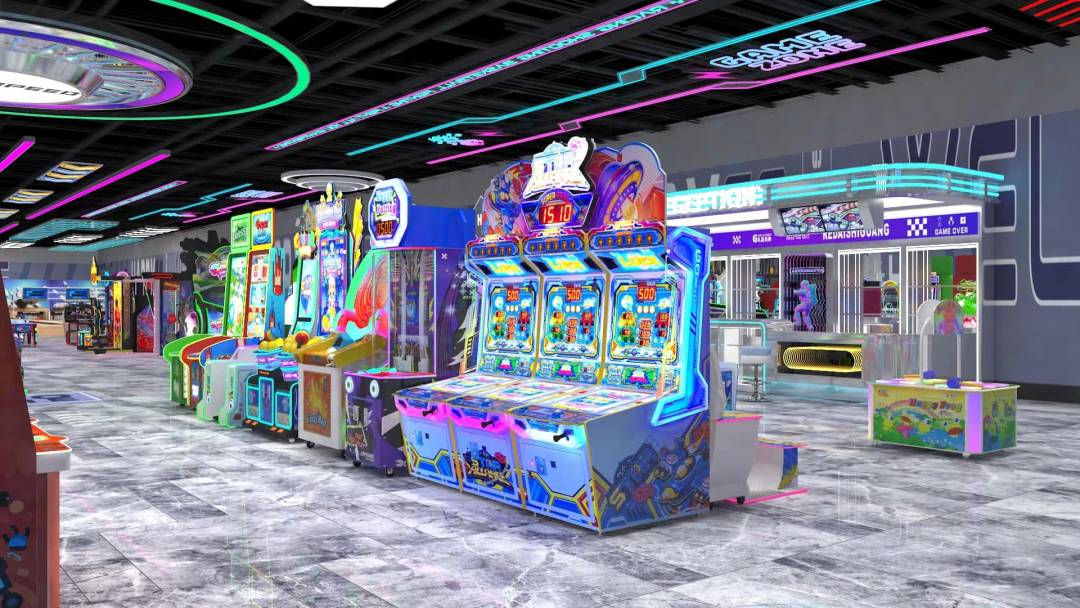
Space Optimization: Allocate room for arcade games, walkways, and seating areas. Avoid overcrowding.
-
Lighting and Sound: Bright colors and controlled sound create an immersive experience.
-
Safety Measures: Install soft flooring, emergency exits, and clear signage. Safety inspires parental trust.
Step 7 – Obtain Licenses and Permits
Legal compliance protects your business.
-
Business Registration: Obtain local business licenses and ensure zoning permits arcade operations.
-
Health and Safety Compliance: Fire safety, sanitation, and accessibility must be met.
-
Insurance: Liability coverage protects against accidents, property damage, and equipment malfunction.
Step 8 – Hire and Train Staff
Staff efficiency directly impacts customer satisfaction.
-
Customer Service Excellence: Friendly staff enhance repeat visits.
-
Technical Expertise: Technicians trained on arcade machines reduce downtime.
-
Operational Procedures: Standardized protocols for ticket redemption, cleaning, and emergency response improve workflow.
Step 9 – Launch Marketing and Promotions
Effective marketing drives foot traffic.
-
Pre-Opening Campaigns: Use social media, influencer marketing, and local ads to generate buzz.
-
Loyalty Programs and Events: Birthday parties, competitions, and seasonal events encourage repeat visits.
-
Digital Engagement: Online booking, promotions, and feedback channels build a community around your arcade game center.
 Step 10 – Monitor Performance and Optimize Operations
Continuous improvement ensures long-term success.
-
Key Performance Metrics: Track revenue per machine, foot traffic, and repeat customer rates.
-
Maintenance and Updates: Regularly update games and refurbish interiors to keep the arcade attractive.
-
Customer Feedback: Use surveys and online reviews to implement improvements.
Example Table: Key Metrics Dashboard
| Metric | Target Value | Measurement Tool |
|---|---|---|
| Avg Revenue per Machine | $100–150/day | POS system |
| Repeat Visit Rate | 40%+ | Loyalty program data |
| Customer Satisfaction | 4.5/5 | Survey & online reviews |
 Conclusion
A successful arcade game center combines strategic planning, smart machine selection, optimized layout, staff training, legal compliance, and ongoing performance monitoring. Following these 10 steps ensures your arcade attracts visitors, maximizes profits, and secures a competitive edge in the family entertainment market.
Call to Action
Ready to launch your arcade game center? Contact us today to explore our full range of high-quality arcade machines, get B2B guidance, and start building a profitable, engaging entertainment hub.
Disclaimer
The information provided on this website is for general informational purposes only.
While EPARK Arcade Game Machine Manufacturer strives to ensure accuracy and reliability, no warranties—express or implied—are made regarding completeness, performance, or applicability.
Product specifications, designs, and features may vary depending on usage, customization, and customer requirements.
Buyers are responsible for verifying all technical details, compliance certifications, and suitability before procurement.
EPARK shall not be held liable for any direct, indirect, incidental, or consequential damages arising from the use of this website or its content, including but not limited to business losses, data errors, or equipment misuse.
For tailored solutions or further verification, please visit our Contact Us
Intellectual Property Notice
All articles, product images, videos, catalogs, software, and related materials published on this website are the intellectual property of EPARK, unless otherwise stated.
Unauthorized reproduction, distribution, modification, or commercial use of any content is strictly prohibited without prior written consent from EPARK.
EPARK reserves the right to take legal action against any unauthorized use, including but not limited to copyright infringement, misrepresentation, or unfair competition.
Trademarks
The name EPARK, the EPARK logo, and all related brand elements displayed on this website are registered trademarks or trade names of Guangzhou EPARK Electronic Technology Co., Ltd.
Other product names, company names, or logos mentioned on this site may be trademarks of their respective owners.
Unauthorized use of EPARK's trademarks for commercial purposes, including advertising, promotions, or product packaging, is strictly prohibited.
Governing Law
These terms are governed by the laws of the People's Republic of China.