
Introduction
The location-based entertainment industry has been evolving rapidly, with arcades and family entertainment centers (FECs) emerging as two of the most popular business models. For B2B buyers, such as venue operators, distributors, and investors, selecting the right concept is crucial. The choice affects equipment selection, startup costs, operational complexity, and long-term profitability.
Arcades typically focus on arcade machines, redemption games, and coin-operated cabinets, offering quick and high-turnover gaming experiences. In contrast, family entertainment centers combine multiple attractions such as indoor playgrounds, trampoline parks, ninja courses, and VR experiences, creating longer customer dwell times and diversified revenue streams.
Understanding the differences between these models can help you make informed investment decisions and maximize ROI in your entertainment venture.
What Is an Arcade?
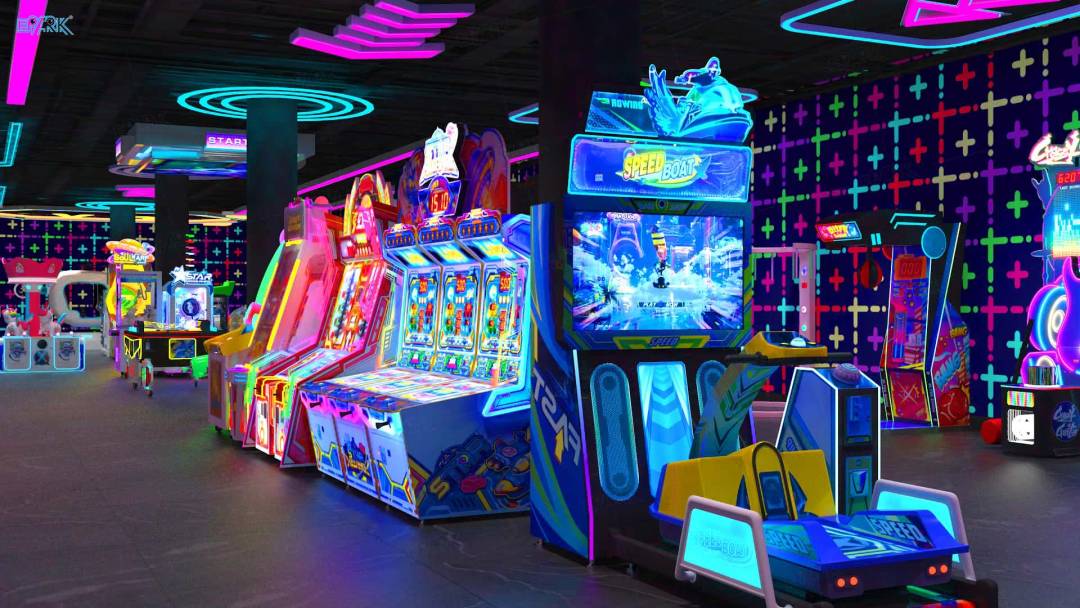
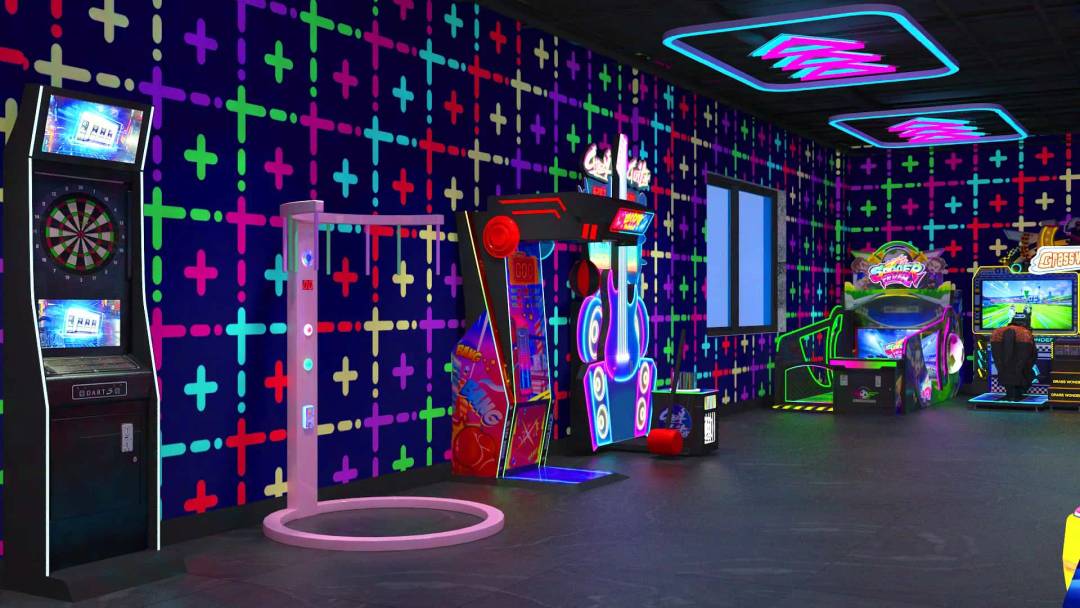
An arcade is a gaming venue designed primarily for coin-operated or card-based game machines. Traditional arcades target teenagers and young adults with interactive, skill-based, and redemption games. Modern arcades now integrate digital cabinets, VR games, and multiplayer setups to keep visitors engaged.
Arcades are particularly suitable for high-foot-traffic locations, such as shopping malls, cinemas, and tourist hotspots, where visitors are looking for short entertainment bursts.
Common Arcade Equipment
Arcade equipment typically includes:
| Equipment Type | Description | Revenue Model |
|---|---|---|
| Video Arcade Machines | Classic or modern cabinets with video games | Pay-per-play |
| Redemption Games | Ticket-based prize games | Prize redemption |
| Claw Machines | Skill-based prize machines | Per attempt |
| Simulator Games | Racing, shooting, or motion simulation | Premium gameplay |
| Sports Arcade Games | Basketball, air hockey, dance machines | Competitive play |
Most modern arcades use cashless card systems, which allow operators to track game usage, collect analytics, and optimize revenue per machine.
Advantages of Operating an Arcade
For B2B operators, arcades offer several business benefits:
-
Lower startup costs – Requires less space and fewer machines than FECs.
-
Flexibility of location – Can operate in malls, airports, or urban centers.
-
Scalable equipment upgrades – Machines can be replaced or upgraded easily.
-
Simplified management – Fewer staff are needed for daily operations.
However, arcade businesses rely heavily on high machine turnover and game novelty. Without frequent updates, visitor engagement may drop, impacting long-term revenue.
For more details on the latest arcade machines for sale, see our product catalog.
 What Is a Family Entertainment Center (FEC)?
A family entertainment center (FEC) is a multi-attraction venue designed for families, children, and group visitors. Unlike arcades, FECs combine gaming zones with physical activities, such as trampoline parks, indoor playgrounds, and obstacle courses.
FECs aim to maximize customer dwell time, offering longer, multi-hour visits that increase spending per visitor. Many FECs also feature food courts, party rooms, and retail sections, creating diversified revenue streams.
Common Attractions in Family Entertainment Centers
| Attraction Type | Description | Target Audience |
|---|---|---|
| Arcade Machines | Video and redemption games | Teens, adults |
| Indoor Playground | Slides, tunnels, and ball pits | Young children |
| Trampoline Park | Jump zones, dodgeball areas | Kids, teens |
| Ninja Course | Obstacle and adventure courses | Teens, adults |
| VR Experiences | Immersive virtual reality games | Tech-savvy visitors |
| Party Rooms | Birthday events and group celebrations | Families |
FECs are often marketed as destination entertainment centers, creating stronger brand recognition and customer loyalty.
Advantages of Operating an FEC
-
Multiple revenue streams – Tickets, arcade gameplay, birthday parties, food, and merchandise.
-
Longer customer stay – Families spend more time, increasing average revenue per visitor.
-
Brand positioning – Positioned as a full entertainment destination, not just a gaming venue.
-
High retention potential – Birthday events, memberships, and seasonal promotions encourage repeat visits.
Check our How to Start a Family Entertainment Center
(FEC) with Arcade Machines for turnkey installation packages.
Arcade vs Family Entertainment Center: Key Differences
Investment Cost
Investment requirements vary significantly between arcades and FECs:
| Category | Arcade | Family Entertainment Center |
|---|---|---|
| Venue Size | 100–500 m² | 1,000–5,000 m² |
| Initial Investment | Low to Medium | Medium to High |
| Equipment Quantity | 20–80 machines | Multiple attractions and installations |
| Staffing Requirements | Low | Medium to High |
Arcades are ideal for smaller investment budgets, whereas FECs require larger capital outlays but often achieve higher returns due to multiple revenue streams.
Equipment Requirements
Arcades focus mainly on gaming machines, while FECs require a combination of gaming, play structures, and interactive attractions.
Industry Standards and Compliance for FEC Equipment:
-
ASTM F1918 – Safety standards for soft play structures
-
EN 1176 / EN 1177 – European playground safety standards
-
ISO 9001 – Quality management certification for manufacturers
For safe and compliant arcade and FEC equipment, explore our indoor playground systems and arcade machine options.
Revenue Model
Arcade revenue primarily comes from pay-per-play games, token systems, and redemption prizes. While straightforward, this model limits revenue per visitor.
FECs, on the other hand, utilize diverse revenue streams:
-
Entrance tickets or wristbands
-
Arcade gameplay
-
Birthday party packages
-
Food and beverage sales
-
Membership programs
-
Merchandise sales
This hybrid approach often results in higher overall revenue and more consistent cash flow.
Target Audience
Understanding the target audience is critical for B2B strategy:
-
Arcade – Teenagers, young adults, and casual gamers.
-
FEC – Families with children, birthday parties, school groups, and corporate events.
FECs benefit from broader demographic appeal, leading to more stable year-round traffic.
 Which Is Better for Your Business?
Choosing between an arcade and a family entertainment center depends on budget, space, and strategic goals.
Choose an Arcade If:
-
You have limited space
-
Your investment budget is moderate
-
You prefer simpler operations
-
Your location already attracts high foot traffic
Arcades work best in shopping malls, tourist spots, or near cinemas where customers seek quick entertainment.
Choose a Family Entertainment Center If:
-
You have a large venue
-
You aim to build a destination entertainment brand
-
You want to attract families and groups
-
You are ready for a higher initial investment
FECs maximize revenue through longer visits and diversified attractions, creating sustainable profitability.
Hybrid Model: Combining Both
A growing trend in the industry is a hybrid model, combining arcade zones with indoor playgrounds, trampoline parks, and VR experiences. This approach allows operators to maximize engagement, diversify revenue, and cater to a broader audience.
 Conclusion
Both arcades and family entertainment centers offer profitable opportunities, but they serve different strategic purposes:
-
Arcades – Lower-cost, easier to operate, ideal for small spaces and high-turnover gaming.
-
Family Entertainment Centers – Larger-scale, multi-attraction venues, ideal for families, providing longer dwell time and higher revenue potential.
For B2B buyers, the key is to evaluate venue size, budget, equipment requirements, and target audience before making a decision.
CTA
If you are planning to open an arcade or build a family entertainment center, selecting the right supplier is critical to your success.
We provide high-quality arcade machines, indoor playground equipment, and complete FEC solutions for distributors, investors, and venue operators worldwide.
Contact us today for a free consultation and customized equipment proposal, and take the first step toward building your profitable entertainment venue.
Disclaimer
The information provided on this website is for general informational purposes only.
While EPARK Arcade Game Machine Manufacturer strives to ensure accuracy and reliability, no warranties—express or implied—are made regarding completeness, performance, or applicability.
Product specifications, designs, and features may vary depending on usage, customization, and customer requirements.
Buyers are responsible for verifying all technical details, compliance certifications, and suitability before procurement.
EPARK shall not be held liable for any direct, indirect, incidental, or consequential damages arising from the use of this website or its content, including but not limited to business losses, data errors, or equipment misuse.
For tailored solutions or further verification, please visit our Contact Us
Intellectual Property Notice
All articles, product images, videos, catalogs, software, and related materials published on this website are the intellectual property of EPARK, unless otherwise stated.
Unauthorized reproduction, distribution, modification, or commercial use of any content is strictly prohibited without prior written consent from EPARK.
EPARK reserves the right to take legal action against any unauthorized use, including but not limited to copyright infringement, misrepresentation, or unfair competition.
Trademarks
The name EPARK, the EPARK logo, and all related brand elements displayed on this website are registered trademarks or trade names of Guangzhou EPARK Electronic Technology Co., Ltd.
Other product names, company names, or logos mentioned on this site may be trademarks of their respective owners.
Unauthorized use of EPARK's trademarks for commercial purposes, including advertising, promotions, or product packaging, is strictly prohibited.
Governing Law
These terms are governed by the laws of the People's Republic of China.